

You’ve dealt with mice before, and you managed to catch them pretty easily with basic snap traps. Now you’re facing a rat problem, and you’re wondering if it’s going to be the same process.
You’ve heard rats are smarter and more cautious than mice, but you’re not sure if that’s actually true or just a myth. So are rats harder to catch than mice?
Yes, rats are significantly harder to catch than mice. Rats are more intelligent, more cautious, and better at learning from experience than mice. They’re also bigger and stronger, which means they can escape traps that would easily catch a mouse, and they need stronger traps to catch them effectively.
If you’re used to catching mice, you’ll need to adjust your approach when dealing with rats. They require more patience, better strategy, and different equipment.
Rats Are More Intelligent Than Mice
The biggest difference between rats and mice is intelligence. Rats have larger brains relative to their body size, and they’re capable of more complex thinking and problem-solving.
Mice are curious and will investigate new things in their environment pretty quickly. Rats, on the other hand, are suspicious of anything new and will watch and wait before getting close to it.

This behavior is called neophobia (fear of new things). When you set a trap for a mouse, the mouse will usually check it out within a day or two.
When you set a trap for a rat, the rat might avoid it for several days while it figures out if it’s safe. Rats also learn faster than mice.
If a rat has a bad experience with a trap (like getting snapped but escaping, or seeing another rat get caught), it’ll remember that and avoid similar traps. Mice don’t learn as quickly, so they’re more likely to make the same mistake twice.
Some rats become “trap-shy,” meaning they’ve learned to avoid all traps completely. This almost never happens with mice.
Rats Are Much Bigger And Stronger
Size matters when you’re trying to catch rodents. Mice are small (usually less than an ounce) and delicate.
A standard mouse trap with a small amount of pressure is enough to catch and kill a mouse. Rats are much bigger (adults can weigh 7 to 18 ounces or more) and much stronger.

A regular mouse trap won’t work on a rat. The rat is heavy enough that it might not even trigger a mouse trap, or if it does, the trap won’t have enough power to catch it.
The rat will just get smacked, possibly get injured, but then escape. Now you’ve got a hurt rat that’s learned to avoid traps, which makes it even harder to catch.
You need rat-specific traps that are larger and have much stronger springs. These traps are designed to handle the weight and strength of a rat.
Some people try to save money by using mouse traps on rats, and it almost never works. You end up wasting time and making the problem worse because you’re teaching the rats to avoid traps.
Rats Are More Cautious About Food
Mice aren’t picky eaters and will usually go for any food they find. They’ll eat trap bait pretty readily without thinking too much about it.
Rats are more careful. They’ll smell the bait, watch the trap, and sometimes they’ll just nibble at the bait without fully committing.
Rats have a strong sense of smell and can detect human scent on traps. If you touched the trap with your bare hands, the rat might avoid it because it smells like a potential threat.

Mice are less sensitive to this. Rats also prefer certain types of food based on what they’ve been eating.
If a rat has been eating dog food in your garage, it might ignore peanut butter bait on a trap. Mice are more likely to try new foods without being as picky.
You might need to experiment with different baits to find what works for rats in your house.
Mice Are More Curious, Rats Are More Careful
Mice have a natural curiosity that works against them when you’re trying to catch them. They’ll explore new objects, check out new smells, and investigate things pretty quickly.
This curiosity makes them easier to trap. Rats are the opposite. They’re naturally cautious and will avoid anything that seems unusual or out of place.
They take their time, watch from a distance, and only approach when they’re confident it’s safe. A mouse might walk right into a trap the first night you set it out.
A rat might ignore the trap for three or four days before it even gets close. This patience is frustrating when you’re trying to catch rats, but it’s also what helps them survive.
Rats that are too curious or too bold don’t live very long in the wild. The ones that survive are the careful ones, and those are the ones that end up in your house.
Rats Can Steal Bait Without Getting Caught
Because rats are bigger and more coordinated than mice, they’re better at manipulating traps. A rat can sometimes approach a trap carefully, nibble at the bait, and back away before the trap snaps.
Mice don’t usually have the coordination or caution to do this. They either trigger the trap or they don’t go near it at all.
Experienced rats (especially older ones) have learned tricks for getting bait without getting caught. They’ll use their paws to grab bait from the side, or they’ll lick it off very carefully without putting pressure on the trigger.
Some rats even learn to tip traps over or disable them. This almost never happens with mice because they’re not smart enough to figure it out.
To deal with bait-stealing rats, you need to secure the bait really well. Instead of just putting a blob of peanut butter on the trigger, tie a piece of bacon or a nut to it with thread, or use sticky bait that’s hard to lick off.
It Takes Longer To Catch All The Rats
When you have a mouse infestation, you can usually catch most of the mice within a week if you use enough traps. Mice reproduce quickly, but they’re easier to catch, so you can get ahead of the problem.
With rats, it can take several weeks or even months to catch them all. They reproduce just as fast as mice (maybe even faster), but they’re much harder to trap.

You might catch a few rats in the first week, but then the remaining rats become trap-shy and avoid your traps. You have to change your strategy, try different traps, use different bait, and move things around.
It’s a longer, more frustrating process. Rats also live longer than mice on average.
A mouse might only live 6 months to a year, while a rat can live 2 to 3 years in the right conditions. This means rats have more time to learn, get smarter, and become harder to catch.
Rats Need Different Types Of Traps
The traps that work for mice won’t work for rats. You need larger snap traps specifically designed for rats, or you need to use alternative traps like electronic traps or multiple-catch traps.
Electronic traps kill rats with a high-voltage shock and can be very effective, but they’re expensive. Multiple-catch traps can catch several rats at once, which can be good if you have a big infestation.
Glue traps work on both mice and rats, but they’re much less effective on rats because rats are strong enough to sometimes pull themselves off glue traps or drag the entire trap away. Mice get stuck and can’t escape.
You also need more traps for rats than you would for mice. A mouse infestation might require 3 or 4 traps.
A rat infestation might require 10 or 12 traps placed strategically around your house. Rats are more spread out and use different paths, so you need more coverage.
Rats Do More Damage While You’re Trying To Catch Them
Because it takes longer to catch rats, they have more time to cause damage to your house. Rats chew on everything (wires, pipes, wood, insulation) and can cause serious problems like fires or water damage.
Mice chew too, but they’re smaller and cause less damage overall. Rats are also messier.
They produce more droppings and urine, and they leave bigger, more noticeable grease marks on walls and surfaces. By the time you finally catch all the rats, you might have significant cleanup and repair work to do.
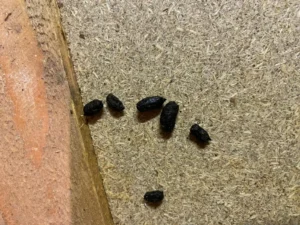
Mice infestations usually result in less damage simply because mice are smaller and easier to catch before they cause too much harm.
Rats Are Better At Avoiding Humans
Rats are good at learning your schedule and avoiding you. They’ll figure out when you’re awake and when you’re asleep, which rooms you use most often, and which areas are safe for them.
Mice are less careful about this. They might run across your kitchen floor while you’re cooking dinner.
Rats almost never do this unless they’re desperate. They wait until you’re in bed and the house is quiet.
This makes it harder to see where rats are active and where you should place traps. With mice, you can usually see them or hear them and know exactly where they’re going.
With rats, you have to rely more on indirect signs like droppings, rub marks, and chewed materials to figure out their routes.
Mice Are Easier To Prevent
Prevention is easier with mice than with rats. Mice can squeeze through holes as small as a dime, but rats can squeeze through holes as small as a quarter.
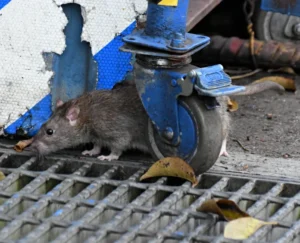
Both are impressive, but rats are bigger and stronger, which means they can also create their own entry points. Rats can chew through wood, plastic, and even thin metal to make holes bigger.
Mice can chew too, but they’re not as strong and usually can’t chew through tough materials. This means even if you seal up your house pretty well, a determined rat might still be able to get in by chewing through a weak spot.
Mice are less likely to do this and will usually just move on if they can’t find an easy entry point.
The Cleanup Is Harder With Rats
After you catch all the rodents, you still have to clean up the mess they left behind. Rat cleanup is more extensive than mouse cleanup.
Rats produce more droppings (a rat produces about 40 droppings per day, while a mouse produces about 50 but they’re much smaller). Rat droppings are bigger and can carry more bacteria.
Rat urine is also more pungent and can soak into insulation, wood, and other materials. If rats died in your walls, the smell is much worse than a dead mouse.
A dead rat can stink up your house for weeks. Finding and removing a dead rat from your walls is also harder because they’re bigger.
The whole cleanup and restoration process after a rat infestation is usually more involved and more expensive than cleaning up after mice.
When To Call Professionals
Because rats are harder to catch, you’re more likely to need professional help than you would with mice. A lot of people can handle a mouse problem on their own from the hardware store.
Rats are a different story. If you’ve been trying for more than two weeks with no success, or if you keep catching a few rats but signs of activity continue, it’s time to call a pest control company.

Professionals have experience with rats and know how to deal with trap-shy individuals. They have access to commercial-grade equipment and can use integrated approaches that combine multiple methods.
They can also inspect your house more thoroughly to find all the entry points and nesting areas. With mice, calling a professional is optional for most people.
With rats, it’s often necessary.
The Cost Difference
Dealing with rats is more expensive than dealing with mice, both in DIY solutions and professional services. Rat traps cost more than mouse traps.
Rat bait costs more. If you need to hire professionals, rat removal services are more expensive than mouse removal because it takes more time, more visits, and more materials.
The damage rats cause is also more expensive to repair. Between the cost of traps, professional services, and repairs, a rat infestation can cost hundreds or even thousands of dollars.
A mouse infestation usually costs much less to deal with.
Conclusion
Yes, rats are definitely harder to catch than mice. They’re more intelligent, more cautious, stronger, and better at learning from experience.
Rats require larger, stronger traps, more patience, and better strategy than mice. They take longer to catch, they do more damage while you’re trying to get rid of them, and they’re more likely to require professional help.
If you’ve only dealt with mice before, don’t expect the same easy results when you face a rat problem. You need to adjust your approach, use the right equipment, and be prepared for a longer battle.
The good news is that rats can be caught and removed, it just takes more effort and persistence than dealing with mice. Understanding the differences between rats and mice helps you plan better and avoid the mistakes that waste time and money.

Hi, my name is Ezra Mushala, i have been interested animals all my life. I am the main author and editor here at snakeinformer.com.