

You’re sitting in your living room when you see something move out of the corner of your eye. A rat just ran across your floor and disappeared behind the couch.
Now you’re wondering how it got in and why it chose your house. Rats don’t just randomly show up in homes, they come inside for specific reasons. So why do rats come inside?
Rats come inside looking for three basic things: food, water, and shelter. Your house provides warmth, protection from predators, and easy access to food sources. When it gets cold outside or food becomes hard to find, rats will look for ways to get into buildings where they can survive more easily.
Understanding why rats are attracted to your house is the first step in keeping them out. Once you know what they’re looking for, you can make your home less appealing to them.
Rats Need Food To Survive
The biggest reason rats come inside is food. These animals need to eat constantly to survive, and your house is like a buffet to them.
Rats aren’t picky eaters at all. They’ll eat grains, fruits, vegetables, meat, pet food, garbage, and even things like soap or paper if they’re desperate enough.

Your kitchen is the most attractive room in your house to a rat. Even if you think you’re keeping things clean, there are probably food sources you’re not thinking about.
Crumbs on the floor, spills in the pantry, or food left out on the counter are all like a neon sign telling rats to come inside. A single rat needs to eat about an ounce of food per day, which doesn’t sound like much, but they’re constantly searching for food.
Rats have an incredibly strong sense of smell. They can detect food from far away, and they’ll follow the scent right to your house.
If you leave pet food out all day, that smell is traveling outside and attracting rats. The same goes for garbage cans without tight lids or compost piles too close to your house.
Rats will also get into your stored food if they can. They can chew through cardboard boxes, plastic bags, and even thin plastic containers.
Once they find a food source, they’ll keep coming back to it over and over. And they’ll tell other rats about it too by leaving scent trails.
Water Is Just As Important As Food
Rats need water even more than they need food. They can only survive a few days without water, so they’re always looking for reliable water sources.
Your house probably has multiple water sources that rats can access. Leaky pipes under sinks, dripping faucets, pet water bowls, and even condensation on pipes can provide enough water for rats.
If you have a leaky pipe anywhere in your house, that’s like rolling out the welcome mat for rats. The sound and smell of water will draw them in, and they’ll set up a nest nearby so they can drink whenever they need to.
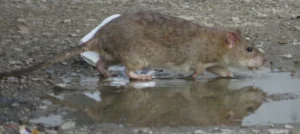
Bathrooms and kitchens are especially attractive because they have both food and water. But rats will also go to basements and crawl spaces if there’s moisture there.
Even a small amount of standing water is enough. A puddle from a leaky pipe or water that collects in your basement after it rains can keep rats coming back.
They don’t need much, just a little bit every day. If you fix water leaks and get rid of standing water, you’re taking away one of the main reasons rats want to be in your house.
Your House Provides Shelter And Warmth
Rats are looking for safe places where they can nest and raise their babies. Your house gives them protection from weather, predators, and other dangers.
In the wild, rats have to deal with cold, rain, snow, and animals that want to eat them. Inside your house, they’re warm, dry, and safe.
This is especially true in fall and winter. When the temperature drops outside, rats start looking for warm places to spend the cold months.
Your house has heat, which makes it incredibly attractive to rats. They can feel the warmth coming from your home, and they’ll look for any way to get inside.
Attics are popular with rats because heat rises and collects there. The insulation in your attic is also perfect nesting material.
Rats will shred insulation, cardboard, fabric, and paper to make soft, warm nests where they can sleep and have babies. Wall voids are another favorite spot because they’re protected and quiet.

Rats can squeeze through holes as small as a quarter, so even tiny gaps in your walls can let them in. Once they’re in your walls, they have access to your whole house.
They can travel through the wall spaces and come out wherever they want. Basements and crawl spaces are attractive because they’re usually dark and undisturbed.
If you don’t go down to your basement very often, rats can live there for months without you knowing. They’ll build nests in corners, behind stored boxes, or in piles of old stuff you’ve forgotten about.
Predators And Safety
In the wild, rats have a lot of predators. Owls, hawks, foxes, cats, dogs, and snakes all hunt rats.
This means rats are always on the lookout for safe places where they won’t get eaten. Your house doesn’t have any of these predators inside (unless you have a really good cat), so it’s a safe zone for rats.
Even if you have a cat or dog, rats will often move into areas where your pets can’t reach them. They’ll live in your attic, inside your walls, or in tight spaces where pets can’t follow.
Rats are also active mostly at night, so they can move around while your pets are sleeping. The sense of safety your house provides is a huge draw for rats.
They can relax, eat, and raise their families without constantly watching for predators. This is why once rats get into a house, they don’t want to leave.
Easy Entry Points Make Your House Accessible
Rats don’t need a big opening to get into your house. They can squeeze through surprisingly small spaces because their bodies are flexible.
If they can fit their head through a hole, the rest of their body can follow. Common entry points include gaps around pipes and wires, cracks in the foundation, damaged vents, and openings where different building materials meet.
Many older houses have small gaps that develop over time as the building settles. These gaps are perfect for rats.
Even newer houses can have entry points if they weren’t sealed properly during construction. Rats are also really good climbers.
They can climb up the outside of your house and get in through holes near your roof, damaged soffit vents, or gaps where your roof meets your walls. If tree branches are touching your house, rats can use them like bridges to get onto your roof.
Once they’re on the roof, they’ll look for any way inside. Garage doors are another common entry point, especially if the weather stripping at the bottom is worn out.
Even a small gap under a garage door is enough for a rat to squeeze through. And once they’re in your garage, they can often find ways into the main part of your house.
Clutter Provides Perfect Hiding Spots
Rats love clutter because it gives them places to hide and build nests. If your basement, attic, or garage is full of stored boxes, old furniture, and piles of stuff, you’re creating perfect rat habitat.
Rats will burrow into cardboard boxes and make nests in the stuff you’re storing. They especially like soft materials like old clothes, blankets, or paper.
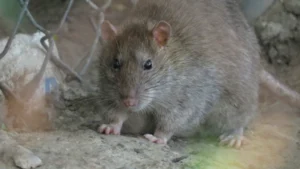
The more cluttered your space is, the safer rats feel. They can move around through the clutter without being seen, and they have plenty of nesting material available.
If you never move or disturb the clutter, rats can live there for months without you knowing. Keeping storage areas organized and off the floor makes them less attractive to rats.
When things are neat and you can see what’s there, rats have fewer places to hide. They prefer dark, messy areas where they can stay out of sight.
Food Storage Practices Matter
How you store food in your house makes a big difference in whether rats decide to move in. If you keep food in the original cardboard or thin plastic packaging, rats can easily chew through it.
Cereal boxes, cracker boxes, pasta bags, and similar packaging are no match for rat teeth. Once rats find your pantry and discover they can get into the food, they’ll keep coming back.
The best way to store food is in thick plastic or glass containers with tight lids. Rats can’t chew through these, so your food stays protected.
This goes for pet food too. If you have a bag of dog or cat food sitting on the floor in your garage or pantry, rats will find it and chew right through the bag.
Transfer pet food into sealed containers as soon as you buy it. Bird seed is another thing that attracts rats.
If you keep bags of bird seed in your garage or shed, rats will smell it and come looking for it. Store bird seed in metal containers with locking lids if possible.
Garbage And Compost Attract Rats
Your garbage is a gold mine to rats. If you leave trash bags sitting outside without a proper trash can, or if your trash cans don’t have tight lids, you’re inviting rats to your property.
Once rats are hanging around your garbage cans, it’s only a matter of time before they find a way into your house. They’ll follow food smells and look for entry points.
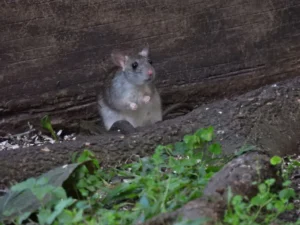
Compost piles are another big attractant. While composting is great for your garden, it also attracts rats if you’re not careful about what you put in it and how you manage it.
Meat, dairy, and cooked food scraps should never go in compost because they smell really strong and will bring rats running. If you compost, keep your pile at least 50 feet away from your house if possible.
Use a sealed compost bin instead of an open pile, and turn it regularly to keep it from smelling too much. The further you can keep food smells away from your house, the less likely rats are to come inside.
Pet Food Left Outside
If you feed your pets outside, you’re also feeding rats. Dog and cat food is actually really attractive to rats because it’s high in protein and fat.
When you leave a bowl of pet food on your porch or in your yard, rats will find it at night and eat it. Even if you bring the food bowl inside at night, rats can smell where it was.
If any food spills on the ground, that scent stays there and keeps attracting rats. It’s better to feed your pets inside if you can.
If you have to feed them outside, put the food out only at meal times and pick it up as soon as your pet is done eating. Don’t leave it sitting out all day or overnight.
Also, clean up any spilled food right away so the smell doesn’t linger. The same goes for bird feeders.
While bird feeders are meant for birds, they also attract rats. Seeds that fall on the ground are easy food for rats, and they’ll clean up underneath your feeder every night.
If you have a rat problem, you might need to take down your bird feeders temporarily until the rats are gone.
Outdoor Conditions Push Rats Inside
Sometimes rats come inside because conditions outside have changed in a way that makes survival harder for them. When there’s construction nearby, rats living in fields or wooded areas get displaced and have to find new homes.

Your house might be the closest option. Flooding or heavy rain can also push rats to look for dry places, and your house is perfect.
In agricultural areas, when farmers harvest their crops, rats that were living in the fields suddenly lose their food source and shelter. They’ll move toward buildings looking for food and a new place to live.
Cold weather is probably the biggest driver. Rats don’t hibernate, so they need to find warm places to survive winter.
As soon as temperatures start dropping in fall, rats become much more motivated to get inside buildings. They’ll work harder to find entry points and squeeze through smaller gaps when they’re trying to escape the cold.
Population Pressure
If there are a lot of rats in your area, younger rats might get pushed out of established territories by older, dominant rats. These younger rats have to find new places to live, and they might end up trying to get into your house.
When rat populations are high, competition for food and space increases. Rats that can’t compete successfully in their current area will move on and look for better opportunities.
Your house might just be in the wrong place at the wrong time. If the rat population in your neighborhood is growing, the chances of rats trying to get into your home go up.
This is why it’s important to rat-proof your house even if you haven’t had problems before. Just because you’ve never seen a rat doesn’t mean they won’t try to move in when the population grows.
Previous Infestations Leave Scent Markers
If your house has had rats before, even years ago, there might still be scent markers that attract new rats. Rats use pheromones to communicate, and these chemical signals can last a long time.
If previous rats marked your house as a good place to live, new rats can detect those markers and will be more likely to try to get in. This is one reason why houses that have had rat problems in the past are more likely to have them again.
The scent trails and markers tell new rats “other rats lived here successfully, so this is a good spot.” Cleaning areas where rats have been with strong disinfectants can help remove some of these scent markers, but it’s hard to get rid of them completely, especially in wall voids and other hidden areas.
Conclusion
Rats come inside your house because it provides everything they need to survive: food, water, warmth, and safety from predators. Your home is especially attractive in fall and winter when outdoor conditions get harsh.
Understanding what attracts rats is the key to keeping them out. Store food properly, fix water leaks, seal up entry points, and keep your house clean and clutter-free.
The less your house looks like a good place for rats to live, the more likely they’ll move on and find somewhere else. Don’t wait until you see a rat to start taking these precautions.
Prevention is always easier and cheaper than dealing with an infestation after it starts.

Hi, my name is Ezra Mushala, i have been interested animals all my life. I am the main author and editor here at snakeinformer.com.