
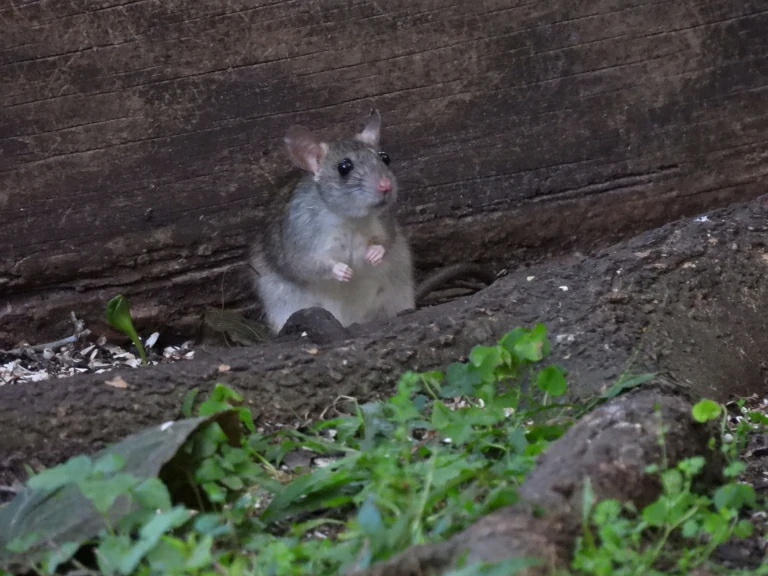
Finding a rat in your house is never a good feeling. You might see one scurrying across your kitchen floor late at night, or you might find droppings in your pantry.
When you spot that first rat, you’re probably wondering if it’s alone or if there are more hiding somewhere in your walls. So if there’s one rat in your house, are there more?
If you see one rat in your house, there are almost always more. Rats are social animals that live in groups, and they reproduce very quickly. A single female rat can have up to 12 babies every three weeks, so what starts as two rats can turn into dozens in just a few months.
Rats don’t like living alone. In the wild, they live in large colonies with other rats for protection and warmth.
When rats move into your house, they bring this same behavior with them. If one rat found a way into your home, others have likely followed the same path.
Why You’re Probably Dealing With More Than One Rat
Rats are really good at staying hidden. They’re most active at night when you’re asleep, and they can squeeze through spaces as small as a quarter.
Just because you’ve only seen one rat doesn’t mean it’s the only one there. The rat you saw might have just been the bold one, or maybe it was looking for food while the others stayed hidden in their nest.
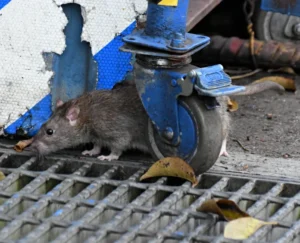
Rats are super cautious animals. They don’t all come out at once because that would put the whole group at risk.
Instead, a few rats will go out to look for food while the rest stay back in the nest. This means you might only see one or two rats, even if there are ten or twenty living in your walls.
Female rats can get pregnant when they’re just 5 weeks old. They have a pregnancy that lasts about 3 weeks, and then they can get pregnant again right after giving birth.
This means the rat population in your house can explode really fast if you don’t deal with the problem quickly. What starts as a small problem can become a serious infestation in just a couple of months.
Signs There Are Multiple Rats In Your Home
If you’re not sure whether you have one rat or many, there are some clear signs to look for around your house.
Rat droppings are one of the biggest clues. One rat will leave droppings, but if you’re finding piles of droppings in multiple areas, you definitely have more than one.
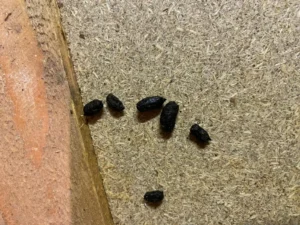
Fresh droppings are dark and moist, while older ones are dry and gray. If you’re seeing both fresh and old droppings, rats have been living in your house for a while.
A single rat produces about 40 droppings per day. If you’re finding way more than that, you can do the math.
You might also hear scratching, squeaking, or scurrying sounds in your walls or ceiling, especially at night. If you hear noises in different parts of your house at the same time, that’s a pretty clear sign you have multiple rats.
One rat can’t be in two places at once, so if you’re hearing activity in your attic and your basement at the same time, you’ve got more than one.
Look for greasy rub marks along your walls and baseboards. Rats have oily fur, and they take the same paths over and over, which leaves dark smudge marks.
If you see these marks in several different areas, multiple rats are using those routes. The more worn and dark the marks are, the more rats have been using that path.
How Rats Multiply So Quickly
The math on rat reproduction is honestly pretty scary. Let’s say two rats get into your house (a male and a female).
In three weeks, the female has her first litter of about 8 babies. Three weeks after that, she has another litter of 8.
Now you have 18 rats. But it gets worse because those first 8 babies are now old enough to start having their own babies.
Within six months, you could easily have 50 or more rats living in your house if you don’t do something about it. This is why pest control experts always treat a rat problem like it’s multiple rats, even if you’ve only seen one.
Some experts say a pair of rats can produce up to 2,000 descendants in a year if conditions are right. Your house provides everything rats need to reproduce like crazy.
You’ve got food, water, warmth, and plenty of hiding spots. Without predators around to keep their numbers down, rats can multiply at an incredible rate.
Why Rats Choose To Live In Groups
Rats stick together because it helps them survive. When they live in groups, they can share information about where to find food and water.
If one rat finds a good food source, it’ll leave scent trails for other rats to follow. They also huddle together to stay warm, especially in cold weather.

Living in a group also gives rats better protection from predators. They take turns watching for danger while others eat or sleep.
This group behavior is hardwired into them, so a lone rat will actively try to find or attract other rats to join it. Rats communicate with each other using sounds that are too high-pitched for humans to hear.
They also use pheromones (chemical signals) to mark their territory and attract mates. If one rat has made your house its home, it’s basically sending out signals that tell other rats “hey, this is a good spot.”
Young rats learn from older rats in the colony. They learn which foods are safe to eat, which paths are safe to travel, and where the best nesting spots are.
This is why getting rid of rats can be tricky. Even if you catch a few, the ones that are left will learn to avoid your traps and pass that knowledge on to other rats.
What To Do When You Find One Rat
As soon as you see one rat, you need to act fast. Don’t wait to see if there are more because there probably are.
Set multiple traps in areas where you’ve seen signs of rats. Good spots include along walls, behind appliances, in your attic, and near any holes or gaps you’ve found.
Use snap traps with bait like peanut butter, bacon, or dried fruit. Place the traps with the trigger end facing the wall because rats like to run along edges.
You should set out at least 6 to 12 traps if you’ve seen one rat. This might seem like overkill, but it’s way better to catch multiple rats quickly than to let them keep reproducing.
Check your traps every day and reset them as needed. If a trap catches a rat, wear gloves when you handle it and put the dead rat in a sealed plastic bag before throwing it away.
But traps alone might not be enough if you have a big infestation. You also need to find and seal up any entry points where rats are getting in.
Check your foundation, walls, roof, and anywhere pipes or wires enter your house. Rats can squeeze through holes the size of a quarter, so even small gaps need to be sealed.
Use steel wool or metal mesh to stuff into holes before sealing them with caulk or foam. Rats can chew through regular caulk and foam, but they can’t chew through metal.
Pay special attention to areas around your plumbing and where utility lines enter your house. These are common entry points that people often miss.
Common Places Where Rats Hide
Rats need safe, quiet places to build their nests and raise their babies. In your house, there are several spots where rats love to hide.
Your attic is one of the most common places. It’s usually quiet, dark, and full of insulation material that rats can use to build nests.
If you have a basement or crawl space, rats will make themselves at home there too. These areas are close to the ground, which makes it easy for rats to come and go.
Inside your walls is another favorite hiding spot. Rats can squeeze into the space between your walls and move around your whole house without you seeing them.
You might hear them scratching or running around at night when everything is quiet. Kitchen cabinets, especially the ones under the sink, are attractive to rats because they’re close to food and water.
If you have a water leak under your sink, that makes it even better for rats. They need water every day, so a dripping pipe is like a perfect home for them.
Rats will also nest behind major appliances like your refrigerator, stove, or washing machine. These spots are warm, dark, and you probably don’t check them very often.
The motor on your fridge generates heat, which rats really like, especially in winter.
Why You Can’t Just Ignore One Rat
Some people think they can just live with one or two rats, but that’s a really bad idea. Rats chew on everything, including electrical wires, which can cause fires.
According to some estimates, rodents are responsible for up to 25% of house fires with unknown causes. When rats chew through the protective coating on wires, it can create sparks that start fires in your walls.
They also carry diseases like leptospirosis, salmonella, and hantavirus that can make you and your family sick. Their droppings and urine can trigger allergies and asthma, especially in kids.
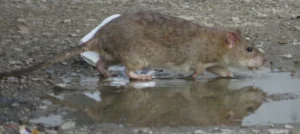
You don’t even have to touch a rat to get sick. Just breathing in dust that contains dried rat droppings or urine can expose you to harmful bacteria and viruses.
Rats can also do serious damage to your house. They’ll chew through drywall, wood, and insulation to make nests.
They’ll get into your food and contaminate your pantry. Once rats have been in your food, you have to throw it all away because their urine and droppings might be on it.
The longer you wait to deal with them, the worse the damage gets and the more expensive it becomes to fix. Replacing chewed wires, contaminated insulation, and damaged structural wood can cost thousands of dollars.
When To Call A Professional
If you’re still seeing rats after a week of trapping, or if you’re finding droppings in multiple rooms, it’s time to call a pest control company.
Professionals have access to stronger methods and can find entry points you might have missed. They can also tell you how bad the infestation actually is.
A serious rat problem isn’t something you want to handle on your own. Pest control experts have special equipment like inspection cameras that can look inside your walls to find nests.

They also know rat behavior really well, so they can predict where rats are likely to be hiding and set traps in the most effective spots.
Plus, if rats die in your walls, the smell can be really awful and hard to get rid of. A dead rat can smell for several weeks, and finding it inside your walls isn’t easy.
Professionals have tools to locate dead animals and can cut into your walls to remove them if needed. They’ll also clean and disinfect the area to get rid of bacteria and odors.
How Long Does It Take To Get Rid Of Rats
Getting rid of rats completely can take several weeks, even with professional help. You need to trap or remove all the rats that are already there, and you need to make sure no new ones can get in.
Most pest control companies will make multiple visits to check traps, add more bait, and monitor the situation. The first visit usually involves inspecting your house to find where the rats are getting in and where they’re nesting.
After that, they’ll set traps and seal entry points. They’ll come back every few days to check the traps and look for new signs of rat activity.
After the rats are gone, you still need to clean up the mess they left behind. This means removing droppings, cleaning contaminated areas with disinfectant, and replacing any insulation or materials the rats damaged.
Some people try to clean up rat droppings themselves, but this can be dangerous. You should wear gloves, a mask, and protective clothing when cleaning areas where rats have been.
Spray the droppings with a disinfectant solution before sweeping them up. This keeps contaminated dust from getting into the air where you might breathe it in.
Preventing Rats From Coming Back
Once you’ve gotten rid of the rats in your house, you need to make sure they don’t come back. This means keeping your house clean and getting rid of things that attract rats.
Store all your food in sealed containers, not in the original cardboard or plastic bags. Rats can chew right through those.
Take your garbage out regularly and use trash cans with tight-fitting lids. If you have a compost pile outside, keep it far away from your house.
Clean up any spilled food right away, and don’t leave dirty dishes sitting in the sink overnight. Even small crumbs can attract rats.
Fix any water leaks in your house. Rats need water every day, and a leaky pipe or dripping faucet will bring them right to you.
Check under sinks, around toilets, and in your basement for any signs of moisture or water damage.
Keep your yard clean too. Trim trees and bushes so they’re not touching your house, because rats can use them like highways to get onto your roof.
Pick up fallen fruit if you have fruit trees, and don’t leave pet food outside. Bird feeders can also attract rats, so if you have one, make sure spilled seeds get cleaned up regularly.
Conclusion
If you’ve seen one rat in your house, you almost certainly have more. Rats are social animals that live in groups, and they reproduce incredibly fast.
What looks like a single rat today can turn into a major infestation in just a few months if you don’t act quickly. The key is to act as soon as you see the first sign of rats.
Set traps, seal up entry points, and don’t hesitate to call a professional if the problem seems too big to handle on your own. The sooner you deal with a rat problem, the easier and cheaper it’ll be to get rid of them for good.
Don’t make the mistake of thinking one rat is no big deal. That one rat probably has friends and family hiding somewhere in your house right now, and they’re working on making even more rats as you read this.

Hi, my name is Ezra Mushala, i have been interested animals all my life. I am the main author and editor here at snakeinformer.com.