
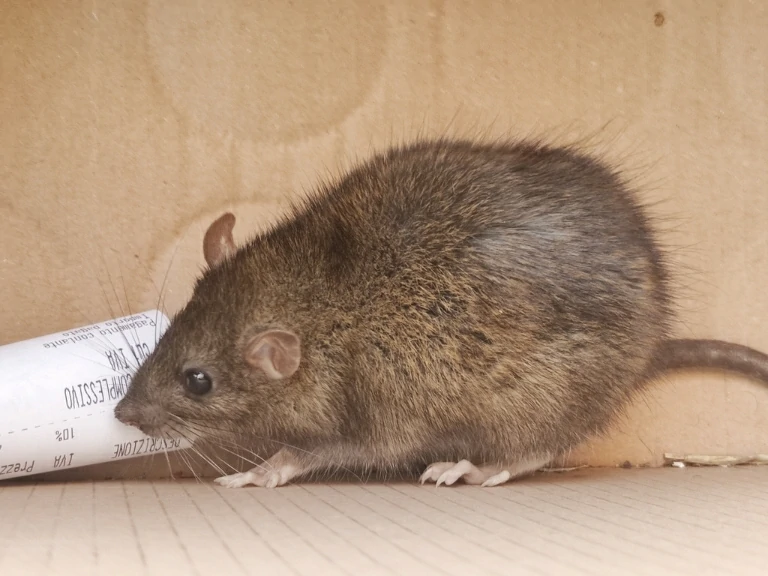
Most people think that if they keep their home spotless, they won’t have to worry about rats. You scrub your floors, wipe down your counters, and take out the trash regularly. But even with all that effort, you might still spot droppings or hear scratching in the walls. So do rats come into clean houses?
Yes, rats can and do come into clean houses. While a messy home with easy access to food makes things easier for rats, cleanliness alone won’t keep them out. Rats are mainly looking for shelter, water, and food, and even the cleanest homes can provide all three if there are entry points and basic resources available.
A clean house definitely makes your home less attractive to rats, but it doesn’t make it rat-proof. Rats are resourceful animals that can find ways to survive even in very tidy environments. If your home has small gaps, cracks, or openings that rats can squeeze through, they’ll find their way in regardless of how clean you keep things.
Why Rats Enter Clean Homes
Rats aren’t just looking for garbage and filth. They’re actually looking for three basic things: shelter, water, and food. Your clean house can still provide all of these.
First, let’s talk about shelter. Rats need a safe place to nest, especially when the weather gets cold or when they’re ready to have babies.
Your walls, attic, basement, or even the space behind your appliances can offer perfect nesting spots. These areas are warm, dark, and protected from predators. The fact that your kitchen floor is mopped doesn’t change how appealing your attic insulation looks to a pregnant rat.

Water is another big reason rats come inside. Even if you don’t leave standing water around, rats can find moisture in many places.
They’ll drink from leaky pipes, condensation on pipes, pet water bowls, or even the water pan under your refrigerator. A single dripping faucet can provide enough water for several rats.
When it comes to food, rats are incredibly resourceful. Sure, they love trash and crumbs, but they can survive on surprisingly little.
Pet food in a bag, birdseed in the garage, cardboard boxes (yes, they eat cardboard), and even the grease residue on your stovetop can be enough. Rats can also gnaw through packaging to get to food stored in your pantry.
Clean Houses Still Have Entry Points
The real issue isn’t usually how clean your house is. It’s about whether rats can physically get inside. Rats can squeeze through openings as small as a quarter. That’s about half an inch for an adult rat.
Your home probably has more entry points than you realize. Gaps around pipes where they enter your house, cracks in your foundation, openings where utility lines come in, damaged weather stripping around doors, and gaps around windows are all potential rat highways.
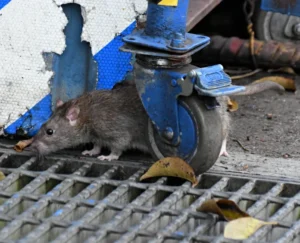
Even small openings around your roof vents or chimney can let rats in.
Rats are also amazing climbers. They can scale brick walls, climb up drain pipes, and jump several feet from tree branches onto your roof.
Once they’re on your roof, they’ll look for any way to get into your attic. A small gap in your soffit or a damaged roof vent is all they need.
You might keep your home immaculate, but if you have a hole the size of a quarter anywhere in your exterior, rats can still move in. And once they’re inside, they’ll start exploring and making themselves comfortable.
What Attracts Rats More Than Cleanliness
While cleanliness matters, several other factors actually matter more when it comes to attracting rats to your property.
Your neighborhood plays a big role. If you live in an area with a rat problem, your chances of getting rats go up dramatically, regardless of how clean your house is.
Rats travel through neighborhoods looking for good places to set up their nests. If your neighbors have rats, those rats might explore your property too.
The outside of your home matters just as much as the inside. Overgrown vegetation near your foundation, woodpiles stacked against your house, clutter in your yard or garage, and dense shrubs all create perfect hiding spots and pathways for rats.
Even if your interior is spotless, a messy yard can invite rats right up to your doorstep.
Pet food is a huge attractant. If you feed your pets outside, rats will definitely notice. Even if you feed your pets indoors, storing their food in the original bag (which rats can easily chew through) gives them an easy meal.

Bird feeders are also major rat magnets. The seeds that fall on the ground are like an all-you-can-eat buffet for rats.
Compost bins can attract rats if they’re not managed properly. Rats love the decomposing food and the warmth that compost piles generate.
If your compost bin isn’t sealed properly or if you’re composting meat and dairy products (which you shouldn’t), you’re basically inviting rats to dinner.
The Difference Between Clean and Rat-Proof
There’s a big difference between a clean house and a rat-proof house. You can have the cleanest floors and counters in the world, but if you’re not addressing the things that actually keep rats out, you’re still vulnerable.
Rat-proofing means sealing every possible entry point. You need to inspect your entire home’s exterior and seal any gaps or cracks larger than a quarter inch.
This means filling holes with steel wool and caulk (rats can’t chew through steel wool), repairing damaged screens and vents, and fixing gaps around pipes and utility lines.
It also means proper food storage. All your food should be in sealed containers made of glass, metal, or heavy plastic. This includes pet food, birdseed, and anything else rats might want to eat. Don’t leave fruit in bowls on your counter overnight. Put your trash in bins with tight-fitting lids.
Managing moisture is important too. Fix any leaky pipes or faucets. Make sure your home has proper drainage so water doesn’t pool around your foundation. Keep your basement and crawl spaces dry with proper ventilation or a dehumidifier.
Outside your home, trim tree branches so they don’t touch your roof or walls. Keep shrubs trimmed back from your foundation. Store firewood at least 20 feet from your house and keep it elevated off the ground. Clean up any fallen fruit from trees in your yard.
Why People With Clean Homes Still Get Rats
It can be really frustrating to discover you have rats when you’ve worked hard to keep your home clean. But you’re definitely not alone, and it doesn’t mean you’ve done anything wrong.
Many people discover they have rats not because of anything inside their home, but because of what’s happening in their neighborhood.
Construction projects can disturb rat populations and send them looking for new homes. Changes in weather, especially sudden cold snaps, can drive rats to seek shelter indoors.
If a nearby building gets demolished or if the city does sewer work, rats that lived in those areas need somewhere new to go.
Sometimes rats are already living in parts of your home you rarely see or clean. Your attic, crawl space, or the space inside your walls can house rats without you knowing for a while.
These areas can be filthy with rat droppings and nesting materials even when the rest of your house is spotless.
Older homes are particularly vulnerable to rats, even when they’re well-maintained and clean. These homes often have more gaps and cracks in their foundations, older pipes with gaps around them, and more potential entry points than newer construction.
The structure itself can provide pathways for rats to travel through walls and between floors.
Signs of Rats in a Clean Home
Even in a clean home, rats leave behind signs of their presence. You just need to know what to look for.
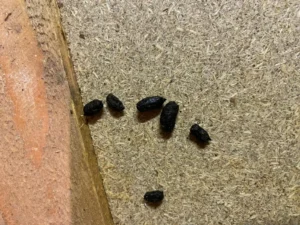
Droppings are usually the first sign people notice. Rat droppings are dark brown or black, capsule-shaped, and about three-quarters of an inch long. You might find them along walls, in cabinets, under sinks, or in your attic. In a clean home, these droppings stand out pretty clearly.
You might hear scratching or scurrying sounds, especially at night when rats are most active. These sounds usually come from inside walls, in the ceiling, or in the attic.
Some people describe it as a rustling sound or light footsteps.
Gnaw marks are another telltale sign. Rats need to constantly chew to keep their teeth from growing too long. They’ll chew on wood, plastic, wires, and even soft metals.
Look for gnaw marks on baseboards, around pipes, on food packaging, and in your attic or crawl space.
You might also notice a strange smell. Rats have a distinctive musky odor that gets stronger as their population grows. In a clean home, this smell is often one of the first things people notice because there aren’t other odors to mask it.
What to Do If Rats Get Into Your Clean Home
Finding out you have rats can feel really discouraging, especially when you’ve worked hard to keep your home clean. But don’t panic. There are clear steps you can take to get rid of them.
First, figure out how they’re getting in. Do a thorough inspection of your home’s exterior, looking for any gaps, cracks, or holes.
Check around pipes, utility lines, vents, and your foundation. Look at your roof and attic vents too. You might need to get up on a ladder or crawl under your house to find all the entry points.
Once you’ve found the entry points, seal them up. Use steel wool stuffed into holes and then seal over it with caulk or expanding foam.
Rats can chew through regular caulk, but they can’t chew through steel wool. For larger holes, you might need to use metal mesh or hardware cloth before sealing.
Set traps to catch the rats that are already inside. Snap traps are usually the most effective and humane option.
Place them along walls where you’ve seen droppings or heard activity. Bait them with peanut butter, which rats find irresistible. Check and reset your traps daily.
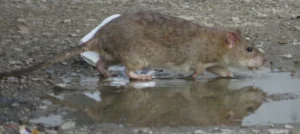
Make sure all your food is stored in sealed containers. This includes pet food and any pantry items in cardboard or plastic packaging. Remove any other potential food sources like crumbs, grease, or spills.
If you have a serious infestation, or if you can’t find where the rats are getting in, call a professional pest control company. They have the experience and tools to find entry points you might miss and can help you get rid of the rats more quickly.
Keeping Rats Out Long-Term
Once you’ve gotten rid of the rats, you want to make sure they don’t come back. This means staying on top of prevention even in your clean home.
Make regular inspections part of your routine. Check your home’s exterior every few months, looking for new cracks or gaps that might have developed. Look for signs of gnaw marks or new droppings. Catching a problem early makes it much easier to deal with.
Keep up with home maintenance. Fix any cracks in your foundation as soon as you notice them. Replace damaged weather stripping. Keep your roof in good repair. These maintenance tasks don’t just keep rats out; they protect your home in general.
Continue proper food storage. Don’t get lazy about putting things in sealed containers just because you don’t currently have rats. Prevention is much easier than dealing with an infestation.
Manage your outdoor space. Keep your yard tidy, trim vegetation away from your house, and don’t create hiding spots or food sources for rats outside. What happens outside your home directly affects what happens inside.
Consider talking to your neighbors if rats are a problem in your area. If everyone works together to reduce rat attractants and seal up their homes, the entire neighborhood benefits. Rats are less likely to stick around if they can’t find easy food and shelter anywhere nearby.
Conclusion
Clean homes can definitely still get rats. While keeping your house tidy and free of food debris helps reduce the chances, it’s not enough on its own. Rats are looking for shelter, water, and food, and even the cleanest homes can provide these if there are ways for rats to get inside.
The key to keeping rats out isn’t just cleanliness. It’s about sealing entry points, properly storing food, managing moisture, and maintaining both the inside and outside of your home.
Don’t feel bad if you discover rats despite your cleaning efforts. It happens to lots of people and doesn’t reflect on your housekeeping.
Focus on making your home truly rat-proof by addressing the structural issues that let rats in and removing the resources they need to survive. With the right approach, you can keep your clean home rat-free for good.

Hi, my name is Ezra Mushala, i have been interested animals all my life. I am the main author and editor here at snakeinformer.com.