

You’ve probably bought plastic storage bins thinking they’d keep your stuff safe from pests. They look sturdy, they seal shut, and they seem like the perfect solution for storing things in your garage, basement, or attic. But if you’re dealing with rats or worried about a rat problem, you might be wondering if these bins are actually rat-proof. Can rats get into plastic storage bins?
Yes, rats can chew through most standard plastic storage bins if they’re determined enough. Their teeth are strong enough to gnaw through thin or medium-thickness plastic, especially the cheaper bins you find at most stores. However, heavy-duty plastic bins with thick walls and tight-sealing lids can resist rats better, though they’re not completely rat-proof.
Rats have incredibly strong teeth that never stop growing, which means they need to constantly chew on things to keep their teeth at a manageable length. Plastic is definitely within their chewing capability. The question isn’t really whether they can chew through plastic, but whether they’ll be motivated enough to do it and how long it will take them.
Why Rats Chew Through Plastic Bins
Rats don’t just chew for fun. They have specific reasons for gnawing through your storage containers, and understanding these reasons helps you protect your belongings better.
The main reason rats chew through plastic bins is to get to what’s inside. If you’re storing food, pet food, birdseed, or anything else that smells interesting to a rat, they’ll work hard to get to it. Rats have an amazing sense of smell and can detect food through plastic. Once they know there’s something good inside, they’ll start chewing.

But food isn’t the only thing that attracts them. Rats also chew through bins to get nesting material. If you’re storing fabric, paper, cardboard, or anything soft that would make good bedding for baby rats, they might chew through to gather materials for their nest.
Sometimes rats chew through bins simply because the bin is in their way. Rats like to travel along walls and follow the same paths repeatedly.
If your storage bin is blocking their usual route, they might chew a hole through it rather than go around. This is especially common in crowded storage areas where bins are packed tightly together.
Rats also need to constantly wear down their teeth. Their incisors never stop growing throughout their lives. If they don’t chew regularly, their teeth can grow so long that they can’t eat properly. Plastic bins provide a convenient chewing surface, and rats might gnaw on them just for this purpose, even if there’s nothing particularly interesting inside.
Types of Plastic Bins and How Rats Handle Them
Not all plastic bins are created equal when it comes to rat resistance. The type of plastic, thickness, and construction all matter.
Thin plastic bins like the ones you might get at dollar stores are basically no match for rats. These bins are made from very thin, flexible plastic that rats can chew through in minutes. If you squeeze one of these bins and it flexes easily, a rat will have no trouble with it. These bins might keep out insects, but they won’t stop a determined rat.
Standard storage bins from big box stores are a bit better but still vulnerable. These are the mid-range bins you typically find in the storage aisle. They’re thicker than dollar store bins but still made from relatively soft plastic. A rat can chew through these, though it might take a few hours rather than minutes. The process leaves obvious gnaw marks and rough holes with plastic shavings around them.

Heavy-duty plastic bins with thick walls offer more resistance. These are usually more expensive and marketed as industrial-strength or commercial-grade. The plastic is noticeably thicker and harder. Rats can still chew through these if they’re motivated enough, but it takes significantly more time and effort. Many rats will give up and look for an easier target, especially if there are other food sources available.
Bins with tight-sealing lids provide an extra layer of protection, not because the seal stops rats, but because it contains smells better. If rats can’t smell what’s inside as easily, they’re less likely to be interested in chewing through. The gasket-style lids that create an airtight seal work best for this.
What Rats Can’t Chew Through
While rats can handle most plastics, there are materials they can’t get through. Knowing this helps you make better storage choices.
Metal is basically rat-proof. Rats can’t chew through steel, aluminum, or other metals. Metal storage bins, filing cabinets, or metal trash cans with tight-fitting lids are your best bet if you’re dealing with a serious rat problem. The only exception is if the metal is very thin (like aluminum foil), which rats can tear, but standard metal containers are solid protection.
Heavy glass containers also work well. Rats can’t chew through glass, and if the container has a secure lid, it’s essentially rat-proof. However, glass can break if rats knock it over while exploring, so you need to make sure glass containers are stable and well-supported.
Very thick, hard plastics can deter rats, even if they can technically chew through them. Some industrial plastics are so thick and hard that rats would need hours or even days of continuous chewing to make progress. Most rats won’t invest that much effort unless there’s something extremely valuable inside.
Ceramic containers with secure lids offer good protection. Rats can’t chew through ceramic, though again, you need to worry about them knocking containers over and breaking them.
Signs That Rats Have Been At Your Bins
If rats have tried to get into your plastic bins, they usually leave pretty obvious evidence behind.
The most obvious sign is visible gnaw marks. These appear as rough, scraped areas on the plastic, often with small parallel grooves from the rat’s teeth. Fresh gnaw marks look lighter in color than the surrounding plastic because they expose the fresh material underneath. Older gnaw marks might have dirt or grime in them and look darker.
If rats have successfully chewed through, you’ll find holes with rough, jagged edges. These holes are usually round or oval and big enough for a rat to squeeze through (which can be surprisingly small, about the size of a quarter). You’ll often see plastic shavings or small pieces of chewed plastic near these holes.
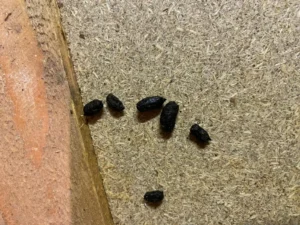
Droppings around or on top of your bins are another clear sign. Rat droppings are dark brown or black, capsule-shaped, and about three-quarters of an inch long. If you find these near your storage bins, rats have definitely been investigating the area.
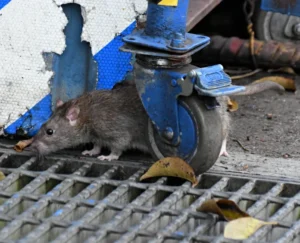
Grease marks might appear along the sides of bins where rats have rubbed against them. Rats have oily fur, and they tend to travel along the same routes repeatedly, leaving dark, greasy smudges on surfaces they regularly pass.
If the contents of your bins have been disturbed or contaminated, that’s a definite sign rats got inside. You might find droppings inside the bin, torn packaging, or missing food. Sometimes you’ll see nesting materials if rats have decided to make a home inside a bin with soft contents.
How to Better Protect Plastic Bins From Rats
If you want to keep using plastic bins but need better protection from rats, there are several strategies you can use.
First, consider upgrading to the thickest, heaviest-duty plastic bins you can afford. Look for bins specifically marketed as heavy-duty or industrial-strength. These won’t be completely rat-proof, but they’re much more resistant and will deter many rats.
Store your plastic bins off the floor if possible. Put them on metal shelving units or pallets. Rats prefer to investigate things at ground level, and elevating your bins makes them less attractive targets. This also makes it harder for rats to get comfortable leverage for chewing.
Don’t pack your bins full of food or other attractive materials if you can avoid it. If you must store food in a garage or basement where rats might be present, use metal containers instead. Save your plastic bins for things rats don’t care about, like holiday decorations, out-of-season clothes, or tools.
Double-bag items before putting them in plastic bins. If you’re storing food or other rat-attractive items, seal them in thick plastic bags first, then put those bags in the bin. This adds an extra layer of protection and contains smells better, making the contents less obvious to rats.
Keep your storage area clean and organized. When bins are stacked neatly with space between them, it’s easier to spot rat activity early. A cluttered, messy storage area gives rats more places to hide and makes it harder to notice when they’re chewing on your bins.
Use rat deterrents in your storage area. Peppermint oil (which rats dislike), ultrasonic repellents, or commercial rat repellent products can help keep rats away from your storage area entirely. However, these methods work best as part of a larger rat prevention strategy, not as standalone solutions.
Better Storage Options for Rat-Prone Areas
If you’re dealing with rats regularly or storing things in an area where rats are common, you might want to consider alternatives to plastic bins.
Metal storage containers are your best option. Steel or aluminum bins with secure lids are basically rat-proof. They’re more expensive than plastic, but if you’re losing valuable items to rat damage, the investment pays off. Metal trash cans with locking lids work great for storing bulk items like pet food or birdseed.
For smaller items, glass jars with metal lids offer excellent protection. Mason jars or other glass storage jars keep food safe from rats and let you see what’s inside easily. They’re perfect for pantry items or small supplies in areas where rats might be a problem.
Heavy-duty plastic bins with metal reinforcement are a middle-ground option. Some bins come with metal corners or metal frames that make them much more resistant to chewing. These cost more than standard plastic bins but less than all-metal containers.
Wooden crates or boxes lined with metal mesh can work well. The wood itself isn’t rat-proof, but if you line the inside with hardware cloth (a type of metal mesh), rats can’t get through. This solution works well for larger items or in rustic settings where metal bins would look out of place.
Consider climate-controlled storage if you’re dealing with really valuable items and serious rat problems. Indoor storage units in well-maintained facilities typically don’t have rat issues, and your items will be safer there than in a rat-prone garage or basement.
Where Rats Usually Target Storage Bins
Understanding where rats are most likely to go after your bins helps you focus your protection efforts.
Garages are prime targets. Most garages have easy access points for rats, offer shelter from weather, and contain lots of interesting stuff. If you store pet food, birdseed, or camping food in your garage, rats will definitely find it. Garage storage bins are often kept at ground level too, making them easy for rats to access.
Basements attract rats because they’re quiet, dark, and often a bit damp. Rats feel safe in basements and will set up nests there if they can. Any storage bins in your basement are at risk, especially if they contain fabric, paper, or other nesting materials.
Attics might seem too high for rats to reach, but these pests are excellent climbers. Rats commonly live in attics where they’re away from people and predators. Any storage bins in your attic could be targeted, particularly during winter when rats are looking for warm places and soft materials for nesting.

Sheds and outbuildings are very vulnerable to rats. These structures often have more gaps and cracks than your main house, making it easier for rats to get in. Plus, sheds typically contain things rats love like gardening supplies, potting soil, and stored food items.
Crawl spaces under houses are natural rat habitats. If you’re storing anything in your crawl space, expect rats to investigate it. The dark, sheltered environment is perfect for rats, and they’ll chew through plastic bins without hesitation down there.
Dealing With Rats That Have Damaged Your Bins
If rats have already chewed through your plastic bins, you need to deal with both the rat problem and the damaged storage.
First, address the rat infestation itself. Set traps in the area where your bins are stored. Snap traps baited with peanut butter work well. Place them along walls and near areas where you’ve seen rat activity. You can’t protect your storage until you get rid of the rats.
Check all your bins for damage, not just the obviously chewed ones. Rats often try multiple containers before settling on the easiest target. Look for gnaw marks, scratches, or small holes. Even minor damage means rats have been testing that bin.
Throw away any food or items that rats have contaminated. If rats got into a bin containing food, the entire contents are contaminated, even if you don’t see droppings. Rats carry diseases, and it’s not worth the risk to try to save the food.
Clean and disinfect bins that rats have been on or near. Use a bleach solution or commercial disinfectant. Wear gloves while cleaning, and don’t sweep or vacuum rat droppings (this can spread disease). Instead, spray the area with disinfectant, let it sit for a few minutes, then wipe everything up with paper towels that you throw away immediately.
Replace damaged bins with more rat-resistant options. If rats chewed through your plastic bins once, they’ll do it again unless you upgrade your storage or eliminate the rat population completely.
Seal up any entry points you find. Rats got into your storage area somehow, and they’ll keep coming back through the same holes. Look for gaps around pipes, cracks in walls, spaces around doors, and any other openings. Fill these with steel wool and caulk.
Conclusion
Rats can definitely chew through most plastic storage bins. Standard plastic containers offer some protection from insects and moisture, but they’re not rat-proof. Rats have strong, constantly growing teeth that can handle plastic, especially if there’s something inside the bin that they want.
If you’re dealing with rats or storing things in areas where rats are common, consider upgrading to heavy-duty plastic bins at minimum, or better yet, switch to metal containers for anything valuable or food-related. The investment in better storage pays off when you’re not constantly replacing damaged bins and contaminated contents.
Most importantly, focus on preventing rats from accessing your storage area in the first place. Good rat control means sealing entry points, keeping areas clean, and removing attractants. No storage container is truly rat-proof if rats have unlimited time and motivation to get through it.

Hi, my name is Ezra Mushala, i have been interested animals all my life. I am the main author and editor here at snakeinformer.com.