
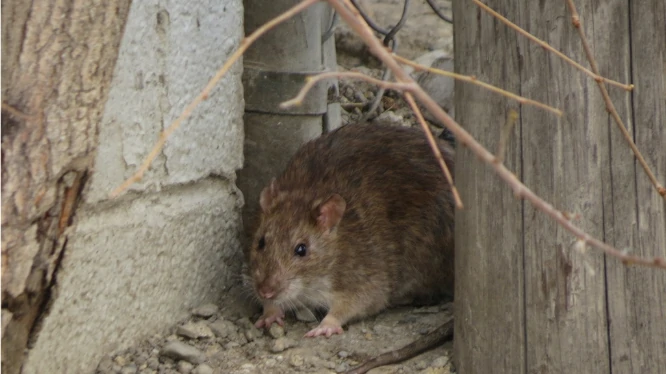
Your garbage bins are full of food scraps and other things rats find attractive, so it’s natural to wonder whether rats can actually get inside them. If you’ve noticed signs of rats around your bins or found your garbage scattered, you need to know the facts. Can rats get into bins?
Yes, rats can get into bins by chewing through plastic, squeezing through gaps around lids, climbing into open or poorly sealed bins, and even knocking lighter bins over to spill the contents. Rats are attracted to the smell of food in your garbage and will work hard to access it if they can.
Garbage bins are like restaurants to rats. If your bins aren’t properly secured, rats will definitely find a way to get the food inside.
How Rats Get Into Different Types of Bins
The type of bin you have makes a big difference in how vulnerable it is to rats.
Plastic bins with loose-fitting lids are really easy for rats to access. Rats can squeeze through surprisingly small gaps, and if your lid doesn’t fit tightly, they’ll find their way in.
Plastic bins can also be chewed through. Rats have incredibly strong teeth that grow constantly, and they can gnaw through plastic bins over time, especially older bins that are already weathered or cracked.

Metal bins are more secure than plastic ones. Rats can’t chew through metal, but they can still get in if the lid doesn’t seal properly or if there are rust holes.
Wheelie bins (the large rolling bins) are only secure if the lid closes completely. If you overfill these bins so the lid props open, rats can easily climb in.
Small kitchen bins or bathroom bins with no lids are completely open to rats. If a rat gets inside your house, these bins are easy targets.
Compost bins are especially attractive to rats. Most compost bins have gaps for ventilation, and the decomposing organic matter produces strong smells that attract rats from far away.
Why Rats Are Attracted to Your Bins
Understanding what draws rats to garbage helps you see why securing bins is so important.
Food smells are the main attractant. Rats have an excellent sense of smell and can detect food from far away. Even small amounts of food waste in your bin will attract them.
Meat, fish, and dairy products are especially attractive. These foods have strong odors that rats find irresistible.
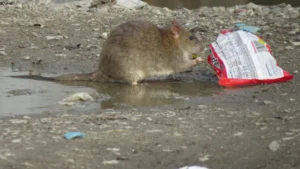
Greasy or oily waste also draws rats in. Pizza boxes, takeout containers, and anything with food residue produces smells rats can detect.
Bins provide shelter as well as food. A large bin with a loose lid might become a nesting spot for rats, especially if it’s not emptied frequently.
Bins near your house are convenient for rats. If your garbage is close to your home, rats hanging around the bins might also try to get into your house.
Multiple bins in one area create a buffet for rats. If you have trash bins, recycling bins, and compost all in the same spot, you’re creating a major attractant.
Signs That Rats Are Getting Into Your Bins
You might not see rats actually in your bins, but there are clear signs they’ve been there.
Chew marks on the bin itself show that rats have been gnawing at it. Look for teeth marks on the edges of the lid, around handles, or on the sides of plastic bins.
Holes chewed in plastic bins are obvious signs. If you see holes in your bin that look like they were gnawed through, rats did it.
Scattered garbage around your bins means rats knocked things over or pulled garbage out. Rats are messy eaters and will drag items out of bins.
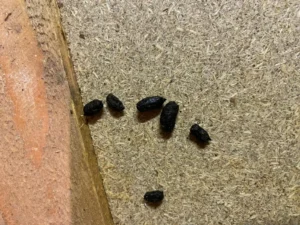
Droppings near or on top of bins are a clear sign. Rat droppings are dark, about the size of a raisin, and you’ll often find them where rats have been active.
Grease marks or smudges on the bin show where rats have climbed. Rats have oily fur that leaves dark marks on surfaces they travel across.
The lid is open or askew even though you closed it. Rats can push lids open if they’re not secured properly.
Your bin smells worse than usual because rats have torn bags open and spread garbage around inside the bin.
What Happens When Rats Access Your Bins
Rats getting into your bins causes several problems beyond just being gross.
Scattered garbage creates a mess you have to clean up. When rats pull items out of bins or knock bins over, you’re stuck dealing with the mess.
Your bins get damaged and might need replacement. If rats chew holes in your bins, they might not be functional anymore, especially if garbage collection services require intact bins.
More rats are attracted to the area. Once rats find a reliable food source, they’ll keep coming back and might bring other rats with them.
Rats might move from your bins to your home. Rats hanging around your garbage are just a few feet from your house, and they’ll look for ways to get inside.
Health risks increase. Rats carry diseases and contaminate everything they touch with their urine and droppings. If they’re in your bins, they’re spreading bacteria all over your garbage area.
Pest control becomes necessary. Once you have rats regularly accessing your bins, you’ll probably need to trap them or call professionals to eliminate the problem.
How to Make Your Bins Rat-Proof
You can take several steps to secure your bins and keep rats out.
Use bins with tight-fitting lids. The lid should seal completely with no gaps. Some bins have locking mechanisms or clips that hold the lid down, these are even better.
Don’t overfill your bins. If garbage is piled above the rim, the lid can’t close properly. Either get a bigger bin or take garbage out more frequently.

Use bungee cords or straps to secure lids. Wrap a bungee cord around the bin and over the lid to keep it tightly closed. This prevents rats from pushing the lid open.
Consider upgrading to metal bins. If rats keep chewing through your plastic bins, metal bins are a better long-term investment.
Place bins on a solid surface like concrete. Don’t put bins directly on soil or grass where rats can burrow underneath or create hiding spots nearby.
Keep bins away from walls and fences. Rats prefer to travel along edges, so bins right against walls are easier for them to access. Leave some space around bins.
Clean your bins regularly. Hose out bins after garbage collection to remove food residue and smells that attract rats.
Where to Put Your Bins
The location of your bins matters just as much as the bins themselves.
Keep bins away from your house if possible. The farther from your home, the less likely rats hanging around bins will try to get inside your house.
But don’t put bins so far away that you won’t use them properly. If bins are inconveniently located, you might be tempted to leave garbage bags outside instead of walking to the bins.
Store bins in a garage or shed if you have one. This provides an extra barrier against rats and keeps bins out of sight.
If bins must be outside, put them on a concrete pad or paved area. This makes it harder for rats to burrow near the bins and keeps the area cleaner.
Avoid putting bins under trees or bushes. These provide cover for rats to approach bins without being seen.
Consider a locked bin enclosure. Some people build small fenced areas or cages to store bins, which adds another layer of security against rats and other pests.
What Not to Put in Your Bins
Some items are especially attractive to rats and should be handled carefully.
Meat and fish scraps are major attractants. If possible, wrap these tightly in newspaper or plastic bags before putting them in the bin to contain the smell.
Leftover pet food shouldn’t go in outdoor bins. Either put it down your garbage disposal or wrap it really well.
Greasy pizza boxes and takeout containers should be cleaned out if possible. Even small amounts of food residue create strong smells.
Don’t put food waste in recycling bins. These bins often don’t seal as well as trash bins, making them easy targets for rats.
Avoid putting fresh fruit and vegetable waste directly in bins. Consider composting these items in a secure compost bin, or freeze them until garbage day if smell is an issue.
Never put dead animals in your bins. If you find a dead mouse, bird, or other animal, contact your local waste management to ask about proper disposal.
Special Considerations for Compost Bins
Compost bins present unique challenges because they’re designed to be ventilated, which also makes them accessible to rats.
Use a sealed compost bin designed to keep pests out. Look for bins with secure lids and small ventilation holes that rats can’t squeeze through.
Don’t compost meat, fish, dairy, or oily foods. Stick to fruit and vegetable scraps, coffee grounds, and yard waste. These are less attractive to rats.
Turn your compost regularly. An active, well-maintained compost pile heats up during decomposition, which makes it less attractive to rats.
Consider adding wire mesh to the bottom of your compost bin. Bury hardware cloth (metal mesh) under and around your bin to prevent rats from burrowing up from below.
Keep your compost bin away from your house, just like your garbage bins. If rats are attracted to the compost, you don’t want them close to your home.
If rats keep getting into your compost despite your efforts, you might need to stop composting temporarily while you deal with the rat problem.
Garbage Collection Day Tips
How you handle garbage on collection day affects rat problems too.
Put bins out as close to collection time as possible. Don’t put them out the night before if you can avoid it, as this gives rats all night to access them.
Bring empty bins back in as soon as possible after collection. Don’t leave them sitting at the curb for days.
Make sure bags inside the bin are tied closed. Open bags let smells escape more easily and make it easier for rats to access food if they get in the bin.
Don’t leave extra garbage bags sitting next to your bins. If your bin is full, either get another bin or hold garbage until next collection day.
If you have a lot of particularly smelly garbage, consider taking it directly to a dump or transfer station rather than letting it sit in your bin for days.
Dealing With Rats Already Around Your Bins
If rats have already found your bins, you need to take action beyond just securing the bins.
Set traps around the bin area. Place snap traps along walls, fences, or other edges where rats travel. Check and reset them daily.
Remove other attractants from the area. Don’t leave pet food outside, clean up bird seed under feeders, and remove any wood piles or debris near your bins.

Clean up any spilled garbage immediately. Don’t let food waste sit on the ground around your bins.
Consider using bait stations if the problem is serious. These are locked boxes that contain rat poison, keeping the poison secure while allowing rats to access it.
Call a pest control professional if you’re dealing with many rats. They can help you trap the existing rats and prevent new ones from moving in.
After rats are gone, deep clean the bin area. Hose down bins, scrub any surfaces where rats left droppings or grease marks, and disinfect the area.
When Your Bins Attract Rats to Your Home
The biggest concern is that rats hanging around your bins will try to get into your house.
Inspect your home’s exterior for entry points. Rats near your bins will explore your house looking for ways to get inside. Seal any gaps, cracks, or holes you find.
Pay special attention to areas near where you keep your bins. If bins are near your garage, check the garage for gaps under the door or around windows.
Don’t store anything rats might nest in near your bins. Wood piles, boxes, or other clutter near bins gives rats places to hide during the day.
Keep your yard clean and tidy. Don’t give rats hiding places as they travel between your bins and other areas.
Consider moving your bins farther from your house if possible. Creating more distance reduces the chances of rats moving from bins to your home.
Conclusion
Rats can definitely get into bins by chewing through plastic, squeezing through gaps, or accessing poorly secured lids. They’re attracted to the food smells coming from your garbage, and they’ll work hard to get it if your bins aren’t properly secured.
You can protect your bins by using ones with tight-fitting lids, not overfilling them, securing lids with bungee cords or locks, and keeping bins clean. Choose metal bins over plastic if rats keep chewing through, and place bins on solid surfaces away from walls.
The location of your bins matters too. Keep them away from your house if possible, and make sure the area around bins is clean and free of clutter where rats could hide.
If rats are already getting into your bins, secure the bins and set traps to eliminate the rats that are hanging around. Clean up any spilled garbage and remove other attractants from the area.
Properly managing your garbage is one of the most important steps in preventing rat problems. Rats need food to survive, and if you make your bins inaccessible, you remove a major reason for rats to be on your property.

Hi, my name is Ezra Mushala, i have been interested animals all my life. I am the main author and editor here at snakeinformer.com.