
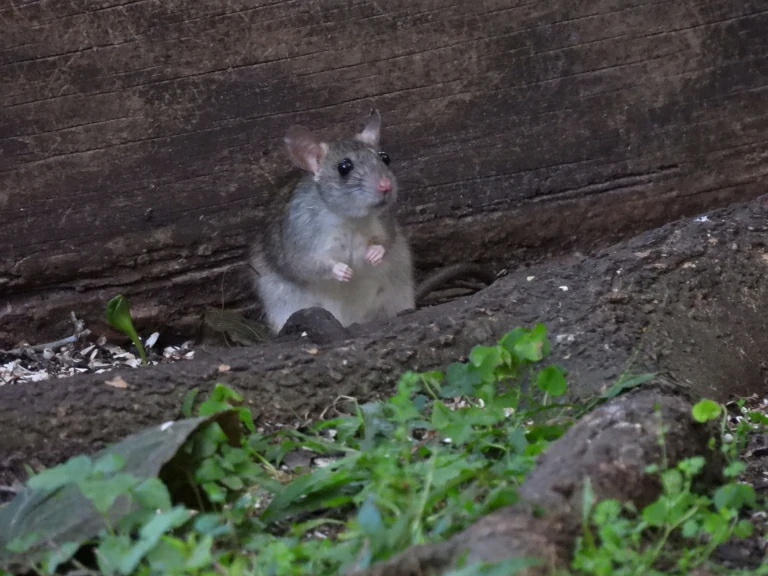
Window screens are designed to let fresh air in while keeping bugs out. They’re made from thin mesh material stretched across a frame. If you leave your windows open for ventilation, especially at night or on lower floors, you might wonder: can rats get through window screens?
Yes, rats can easily get through regular window screens. The mesh material (whether aluminum or fiberglass) is too thin and weak to stop them. Rats can chew through screens in seconds or simply push through damaged areas. Standard window screens offer basically no protection against rats.
If you want to leave windows open without worrying about rats getting in, you need stronger barriers than regular screens.
Why Window Screens Don’t Stop Rats
Window screens are made to keep insects out, not rodents. The materials and construction just aren’t designed to handle rats.
Most window screens are made from aluminum or fiberglass mesh. The wire is extremely thin, usually about as thick as a human hair. This is fine for keeping out mosquitoes and flies, but rats can tear through it without much effort.

Fiberglass screens are basically plastic mesh. Rats can chew through them instantly. The material offers no resistance at all to their teeth. It’s like trying to stop a rat with tissue paper.
Aluminum screens are slightly tougher than fiberglass, but they’re still way too thin. The aluminum wire is soft enough that rats can chew through it or tear it with their claws. Even a young rat can destroy an aluminum screen in less than a minute.
The screen material is held in place by a thin rubber spline that fits into a groove in the frame. Rats can easily pull the screen right out of this spline. Once they create a small opening, they just make it bigger and crawl through.
How Rats Damage Window Screens
Rats don’t need much time to get through a window screen. If they want inside, they’ll find a way through in seconds.
They can chew through the mesh directly. Rats have incredibly strong front teeth that can gnaw through much tougher materials than screen mesh. They’ll pick a spot and just start chewing. Within seconds, they’ve created a hole big enough to squeeze through.
Rats can also use their claws to tear screens. They’ll hook their claws into the mesh and pull. The thin wire or fiberglass strands snap easily, creating a tear that the rat can widen and push through.
If there’s already a small hole or damage in the screen, rats will exploit it. Even a tiny tear is enough for them to get started. They’ll grab the edges and work at it until the hole is big enough.

Rats can push through screens that aren’t properly tensioned. If the screen is loose or saggy, a rat can just push against it until it pops out of the frame or stretches enough to create an opening.
They can also work at the edges where the screen meets the frame. The spline that holds the screen in place isn’t very strong. Rats can pull at it with their teeth until the screen comes loose, then push their way through the gap.
Why Rats Are Attracted to Open Windows
Understanding why rats are drawn to your open windows helps you take better precautions beyond just relying on screens.
Food smells coming from your kitchen windows are a major attractant. When you cook, those smells drift outside and rats can detect them from far away. An open kitchen window with just a screen is basically sending out invitations.

Warmth from your home attracts rats, especially during cold weather. Heat escapes through open windows, and rats can sense the temperature difference. A warm house means shelter and safety to them.
Light from windows also draws rats at night. While rats prefer darkness, they associate lit windows with human activity, which often means food and warmth nearby. They’ll investigate any opening they can find.
Moisture and water vapor from bathrooms and kitchens can attract thirsty rats. If you run hot showers or wash dishes with the window open, the moisture carries out and rats can detect it.
Ground-floor and basement windows are especially attractive because they’re easy for rats to access. Rats don’t need to climb much to reach these windows, so they check them regularly when looking for entry points.
Where Rats Most Commonly Enter Through Windows
Not all windows are equally vulnerable, but some locations are particularly at risk for rat intrusions through screens.
Ground-level windows are the biggest risk. Rats traveling along your foundation or searching for entry points will check every ground-level window they encounter. If there’s just a screen protecting an open window, they’ll go right through it.
Basement windows are even more vulnerable than ground-level windows. These are often right at ground level outside and are easy for rats to reach. Many basement windows also have old or damaged screens that are easier to breach.
Windows near garbage cans, compost bins, or outdoor eating areas attract more rat attention. If there’s food nearby, rats will investigate all possible entry points in that area more thoroughly.

Windows hidden by bushes or landscaping give rats cover while they work on getting through screens. They feel safer when they’re not exposed, so they’ll spend more time trying to breach screens on concealed windows.
Second-story windows can still be at risk if there are trees, vines, or structures nearby that rats can use to climb up. Roof rats are excellent climbers and will investigate upper-story windows if they can reach them.
Signs That Rats Have Been at Your Windows
You might not actually see a rat coming through your window screen, but there are signs that tell you they’ve been checking out your windows.
Holes or tears in your screens are the most obvious sign. Fresh damage usually has clean edges where the material was recently torn or chewed. If you find new holes, rats might be responsible.
Claw marks or scratches on window frames indicate rats have been trying to gain access. These marks often appear around the edges of the frame or near the bottom corners where rats would naturally work.
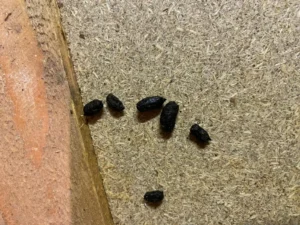
Droppings on windowsills or on the ground below windows tell you rats are active in that area. Rat droppings are dark brown or black pellets about half an inch long. Fresh droppings are shiny and dark, while old ones turn gray.
Grease marks or smudges on the window frame or sill come from rats’ oily fur. When they repeatedly travel along the same path, they leave behind these dark, greasy stains.
Disturbed screens that look pushed out or loose might mean rats have been testing them. Even if they haven’t created a hole yet, they might have weakened the screen or loosened it from the frame.
Strange noises at night coming from the direction of windows can indicate rats are investigating. Scratching, squeaking, or rustling sounds near windows warrant a closer look.
How to Protect Open Windows From Rats
If you want to keep windows open for ventilation without letting rats in, you need better barriers than regular screens.
Replace standard screens with heavy-duty hardware cloth. Hardware cloth is galvanized steel wire mesh with small openings (1/4 inch to 1/2 inch). Rats can’t chew through it or push through it. You can install it in place of your regular screen or attach it behind the existing screen for added protection.
Install security screens made specifically for pest control. These are commercial products made from stainless steel or heavy-gauge aluminum with much thicker wire than regular screens. They cost more but provide real protection against rats.
Add a second barrier behind your window screen. Even if you don’t replace the screen, you can attach hardware cloth to the inside of the window frame as a backup. This way, even if rats get through the screen, they hit a second barrier they can’t breach.
Keep windows closed at night when rats are most active. If you need ventilation, open upper windows that rats can’t reach, or use windows on higher floors. Ground-level windows are most vulnerable after dark.

Use window air conditioners instead of opening windows in rat-prone areas. This gives you ventilation and cooling without creating an entry point. Make sure the AC unit is properly sealed around all edges though.
Install metal bars or grilles over windows in high-risk areas. This might seem extreme, but if you have ongoing rat problems, metal barriers on the outside of vulnerable windows can stop rats before they even reach the screen.
The Reality of Ground Floor Window Security
If you live on the ground floor or have a basement, you need to think differently about window security when it comes to rats.
Ground floor apartments are especially vulnerable. You’re at the same level as rats traveling through the neighborhood. Every ground-level window is an opportunity for them, and regular screens won’t keep them out.
Basement windows should never be left open with just a screen if you’re in an area with rats. These windows are prime targets. Either upgrade to hardware cloth screens or keep these windows closed.
Windows near dumpsters or in alleys need extra protection. These locations see more rat traffic than other areas. Don’t rely on regular screens if your windows face these high-activity zones.
Old buildings with existing rat problems need immediate screen upgrades. If you know rats are in the building or nearby buildings, don’t wait to see if they’ll come through your screens. Upgrade proactively.
Even if you haven’t seen rats, take precautions in urban areas. Cities have rat populations everywhere, even if you don’t see them regularly. Treating window security seriously prevents nasty surprises.
Quick Fixes for Better Window Protection
If you can’t immediately replace all your screens, there are temporary measures that offer better protection than doing nothing.
Add a layer of hardware cloth behind existing screens. You can buy small pieces of hardware cloth and attach them to the inside of your window frames with staples or small screws. This gives you the protection of hardware cloth while keeping your regular screens in place.

Use push pins or thumbtacks to secure screens more tightly in their frames. While this won’t stop a determined rat, it makes screens harder to push through and might discourage casual attempts.
Keep windows closed and locked at night. Most rat activity happens after dark. By closing windows when rats are active, you reduce risk significantly.
Place deterrents near vulnerable windows. Strong smells that rats don’t like (peppermint oil, ammonia-soaked rags) near windows might discourage them from investigating. This isn’t a permanent solution but can help temporarily.
Install motion-activated lights near ground-level windows. Rats prefer darkness and cover. Sudden bright lights might startle them away before they work on screens.
Check and repair screens daily in rat-prone areas. If you catch small damage early and repair it immediately, you prevent rats from exploiting weak points.
The Difference Between Rats and Mice With Screens
Both rats and mice can get through regular window screens, but their approaches and capabilities differ slightly.
Mice are smaller and need even less space to squeeze through. A hole the size of a dime is enough for a mouse. This means even small tears in screens are enough for mice to exploit.
Rats are larger and stronger. They can create bigger holes faster than mice. What might take a mouse several minutes to work through, a rat can breach in seconds.
Both species can chew through screen material, but rats have more powerful jaws. Rats can also tear screens with their claws more effectively than mice.
Hardware cloth that stops rats will definitely stop mice. The 1/4-inch or 1/2-inch openings in hardware cloth are too small for either species to squeeze through, and neither can chew through the thick steel wire.
If you’re seeing small rodents near your windows but aren’t sure if they’re rats or mice, assume the worst and upgrade your screens. The same solutions that stop rats will stop mice too.
What to Do If You Find a Rat Inside
If a rat has already gotten through your window screen and is inside your home, you need to act quickly and safely.
Don’t try to catch the rat with your bare hands. Rats can bite when cornered, and their bites can transmit diseases. Keep your distance and give it an escape route if possible.

Close the door to contain the rat in one room if you can. This prevents it from getting into other parts of your house and makes it easier to deal with.
Open the window or door to give the rat a way out. Sometimes a rat that got in accidentally will leave on its own if you provide an obvious exit. Turn off lights in the room and leave it alone for a while.
If the rat doesn’t leave, set traps. Snap traps baited with peanut butter work well. Place them along walls where rats naturally travel. Check traps frequently.
Call pest control if you’re uncomfortable dealing with it yourself. Professionals have the tools and experience to safely remove rats from your home.
After the rat is gone, figure out how it got in. Check all your window screens for damage and repair or replace them immediately. Also check for other possible entry points.
Clean and disinfect any areas the rat touched. Rats carry diseases and parasites, so thorough cleaning with disinfectant is important for your health.
Conclusion
Regular window screens offer no real protection against rats. The thin mesh material can be chewed through or torn apart in seconds, and rats won’t hesitate to do so if they want to get into your home.
If you want to leave windows open safely, especially on ground floors or in basements, you need to upgrade to hardware cloth or security screens made from thick steel wire with small openings.
Check all your window screens regularly for damage, and don’t underestimate how easily rats can exploit even small tears or weak spots. The small investment in proper screening is worth it compared to dealing with rats inside your home.
Taking window security seriously is especially important in urban areas and older buildings where rat populations are higher. Don’t wait until a rat gets inside to upgrade your defenses.

Hi, my name is Ezra Mushala, i have been interested animals all my life. I am the main author and editor here at snakeinformer.com.