
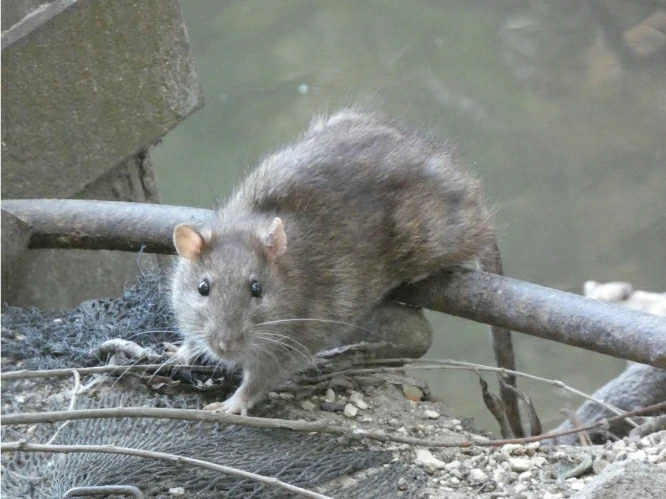
Weep holes are small openings in the exterior walls of brick homes that let moisture escape and prevent water damage. They’re usually about half an inch wide and spaced along the bottom of brick walls. If you’ve noticed these little gaps in your home’s brickwork, you might be wondering: can rats get through weep holes?
Yes, rats can get through weep holes. These openings are usually big enough for mice and young rats to squeeze through, and even adult rats can chew around the edges to make the hole bigger. Weep holes basically give rodents a direct entry point into the walls of your home.
Weep holes are designed to be open, which makes them perfect entry points for pests. Rats don’t even need much space to get inside. A mouse can fit through a hole the size of a dime, and a rat can squeeze through openings as small as a quarter.
How Rats Use Weep Holes to Get Inside
Rats are really good at finding weak spots in your home’s exterior. When they’re looking for shelter, food, or a warm place to nest, they’ll check every possible entry point. Weep holes are like open doors to them.

These holes lead directly into the cavity between your brick exterior and the inner wall. Once a rat gets into this space, it has access to your entire wall system. From there, it can move up and down, finding ways into your attic, basement, or living spaces.
Rats are also persistent. If a weep hole isn’t quite big enough, they’ll just chew around it. Their teeth are strong enough to gnaw through wood, plastic, and even soft metals. A little extra brick mortar around a weep hole won’t stop them for long.
Signs That Rats Are Using Your Weep Holes
You might not actually see rats going in and out of your weep holes, but there are other signs you can look for. Rats leave behind evidence when they’re active around your home.
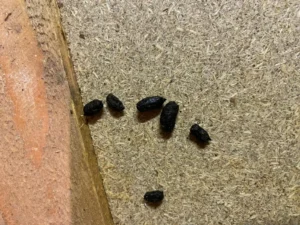
One of the first things you’ll notice is droppings. Rat droppings look like dark, pill-shaped pellets about half an inch long. If you see these near your weep holes or along the foundation of your house, rats are probably nearby.
You might also see gnaw marks around the weep holes. If the edges look chewed or damaged, that’s a clear sign that rats have been working to make the opening bigger. Fresh gnaw marks usually look lighter in color because they expose the inner material.
Grease marks are another giveaway. Rats have oily fur, and when they repeatedly squeeze through the same opening, they leave dark, greasy smudges around it. Check your weep holes for these marks, especially near the bottom.
You might also hear scratching or scurrying sounds inside your walls, particularly at night. Rats are most active after dark, so if you hear noises coming from inside your walls during the evening, there’s a good chance they’re using your weep holes to get in.
Why Rats Are Attracted to Weep Holes
Rats are always looking for three basic things: food, water, and shelter. Your home offers all three, and weep holes give them easy access.
During colder months, rats actively search for warm places to nest. The space inside your walls is protected from the weather and predators. It’s dark, quiet, and usually undisturbed, which makes it perfect for raising babies.
If you have food sources near your home (like garbage cans, pet food, bird feeders, or compost piles), rats will be even more motivated to find a way inside. Once they discover that your weep holes lead to a safe space with nearby food, they’ll keep coming back.
Water is another big draw. If your weep holes are doing their job and draining moisture, rats might be attracted to that water source. Even small amounts of moisture can be enough to keep them coming back.
What Happens When Rats Get Into Your Walls
Once rats get through your weep holes and into your wall cavities, they can cause serious problems. They don’t just stay in one spot. They’ll explore the entire space, looking for the best places to nest and store food.
Rats can chew through electrical wiring inside your walls. This is actually one of the most dangerous things they do because it can create fire hazards. Damaged wiring can short circuit or spark, and since it’s hidden inside your walls, you might not even know there’s a problem until it’s too late.
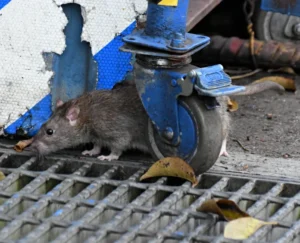
They’ll also chew through insulation, pipes, and structural wood. Rats need to constantly gnaw on things to keep their teeth from growing too long. This means they’ll damage whatever materials they find inside your walls.
The smell is another major issue. Rat urine and droppings create a strong, musty odor that can seep into your living spaces. If rats die inside your walls, the smell gets even worse. Dead rats can take weeks to decompose, and the odor during that time is really hard to deal with.
Rats also carry diseases and parasites. Their droppings can spread bacteria like salmonella and leptospirosis. If you have rats in your walls, these health risks extend to your entire home.
How to Protect Your Weep Holes From Rats
The good news is that you can protect your weep holes without blocking their intended function. There are several products designed specifically for this purpose.
Weep hole covers are small screens or vents that fit into the openings. They allow moisture to escape but keep rodents and insects out. These covers are usually made from stainless steel or plastic and are really easy to install. You can find them at most hardware stores.
Copper mesh is another option. You can stuff small pieces of copper mesh into your weep holes. Rats can’t chew through copper, and the mesh still allows water to drain. Just make sure you use copper, not steel wool, because steel wool will rust over time.
Stainless steel mesh works the same way. It’s durable, won’t rust, and rats can’t chew through it. You can buy rolls of stainless steel mesh and cut pieces to fit your weep holes.
Some people use weep hole screens that look like small vents. These are more visible than mesh, but they’re very effective. They come in different colors so you can match them to your brick.
Installing Weep Hole Protection
Installing protection for your weep holes is pretty straightforward. You don’t need special tools or professional help for most products.
For weep hole covers, you just push them into the openings. Most covers are designed to fit snugly without any adhesive. If they’re loose, you can use a small amount of silicone caulk around the edges to hold them in place.
If you’re using copper or stainless steel mesh, tear off small pieces and stuff them into each weep hole. Don’t pack them too tightly because you still need to allow water drainage. The mesh should fill the hole but not compress completely.
Make sure you cover every single weep hole. Rats only need one opening to get inside. If you miss even a few holes, you haven’t really solved the problem.
Check your weep holes regularly after you install protection. Sometimes covers can fall out, or mesh can get pushed through by persistent rats. A quick inspection every few months will help you catch any problems early.
Other Entry Points to Check
While you’re protecting your weep holes, it’s worth checking for other entry points around your home. Rats are opportunistic and will use any opening they can find.
Check where utility lines enter your home. Gaps around pipes, cables, and wires are common entry points. You can seal these with expanding foam or steel wool covered with caulk.
Look at your foundation for cracks or gaps. Even small cracks can be big enough for mice, and rats will chew them larger. Seal any cracks with concrete patch or mortar.
Check your vents, especially dryer vents and crawl space vents. Make sure they have proper covers with small mesh screens. Damaged or missing vent covers are easy entry points for rodents.
Don’t forget about your roof and attic. Rats are good climbers and can get onto your roof through overhanging tree branches. Check for gaps around your roof edges, chimney, and attic vents.
What to Do If Rats Are Already Inside
If you think rats have already gotten through your weep holes and into your walls, you need to act quickly. The longer you wait, the worse the problem gets.
Start by confirming you actually have rats. Look for droppings, listen for sounds at night, and check for the other signs we talked about earlier. If you’re sure you have rats, it’s time to deal with them.
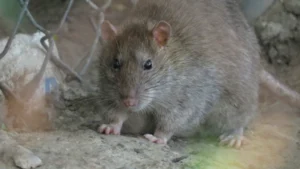
You can set traps inside your home near areas where you’ve seen signs of activity. Snap traps work well for rats. Use peanut butter or dried fruit as bait. Place traps along walls because rats tend to run along edges rather than out in the open.
For rats inside your walls, you might need to use traps in your attic or crawl space if you can access those areas. That’s where rats often nest after getting through weep holes.
If the infestation is bad, you might want to call a pest control professional. They have access to stronger methods and can identify all the entry points you might have missed. They can also help clean up contaminated insulation and check for damage.
After you’ve dealt with the rats, seal up your weep holes right away. If you don’t block their entry points, new rats will just move in to replace the ones you got rid of.
Preventing Future Rat Problems
Once you’ve protected your weep holes and dealt with any existing rats, you want to make sure they don’t come back. Prevention is always easier than dealing with an active infestation.
Keep your yard clean and free of debris. Piles of wood, leaves, or junk give rats places to hide and nest. The cleaner your yard, the less attractive it is to rodents.
Store garbage in sealed containers with tight lids. Don’t leave trash bags sitting outside overnight. Rats will tear through plastic bags easily, and the smell of food will attract them from far away.
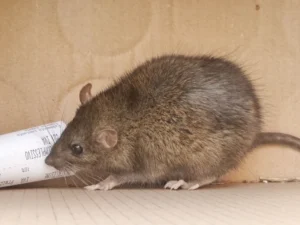
If you feed pets outside, don’t leave food out all day. Put out only what your pet will eat in one sitting, then bring the bowls inside. Pet food is a major attractant for rats.
Keep birdseed in sealed containers and clean up spilled seed under feeders regularly. While you might enjoy feeding birds, rats enjoy birdseed just as much.
Trim tree branches that hang over your roof. Rats can use these as highways to access your roof and attic. Keep branches at least six feet away from your house.
Fix any plumbing leaks around your home’s exterior. Remember, rats need water to survive. If you remove easy water sources, your home becomes less appealing to them.
The Cost of Ignoring Weep Holes
Some people see weep holes as too small to worry about, but ignoring them can lead to expensive problems. The cost of dealing with a rat infestation and the damage they cause is way more than the cost of prevention.
Professional pest control for a rat infestation can cost anywhere from a few hundred to several thousand dollars, depending on how bad the problem is. That doesn’t include repairs to damaged wiring, insulation, or structural components.

If rats chew through your electrical wiring and cause a fire, you’re looking at potentially catastrophic costs. Even if your insurance covers the damage, you’ll still have to deal with the deductible and the hassle of repairs.
Health issues from rat-borne diseases can also lead to medical bills. While serious illness from rat exposure isn’t super common, it does happen. Young children and people with weakened immune systems are especially at risk.
Compare all of that to spending maybe $20 to $50 on weep hole covers or mesh. It’s one of the best investments you can make in protecting your home.
Conclusion
Rats can definitely get through weep holes, and these small openings can lead to big problems if you don’t protect them. The good news is that protecting your weep holes is easy and affordable.
You don’t need to block your weep holes completely. You just need to cover them with something that allows water to drain but keeps rodents out. Weep hole covers, copper mesh, or stainless steel mesh all work well.
Take time to inspect your weep holes and install protection if you haven’t already. While you’re at it, check for other potential entry points around your home. A little prevention now can save you from dealing with a serious rat problem later.
If you already have rats in your walls, deal with the infestation first, then protect your weep holes to make sure they can’t get back in. Your home should be a safe, comfortable place for you and your family, not a shelter for rodents.

Hi, my name is Ezra Mushala, i have been interested animals all my life. I am the main author and editor here at snakeinformer.com.