

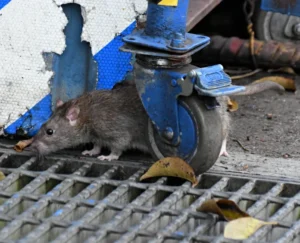
New York City has a pretty serious rat problem. If you live in an NYC apartment, you’ve probably seen these rodents scurrying around the subway, dumpsters, or even your neighborhood streets. But what happens when they stop being an outdoor problem and start showing up inside your home?
Rats are really good at finding their way into buildings, and NYC apartments are no exception. With millions of people living in close quarters and old buildings everywhere, these pests have plenty of opportunities to sneak inside. So how do rats actually get into NYC apartments?
Rats get into NYC apartments through tiny gaps and cracks in walls, floors, and foundations. They can squeeze through openings as small as a quarter (about half an inch). They also climb up pipes, use gaps around utility lines, crawl through damaged vents, and even come up through toilets in rare cases.
NYC apartments, especially in older buildings, have tons of potential entry points that rats can use. A crack in the foundation, a gap where pipes enter the building, or a broken vent cover is all they need to get inside and start causing problems.
Why NYC Apartments Are Easy Targets for Rats
New York City creates the perfect environment for rats to thrive. There’s food everywhere (garbage on the streets, restaurants, food delivery), water sources (leaky pipes, sewers), and countless places to hide.

Apartments in NYC are especially vulnerable because many buildings are old. Over time, the structure develops cracks, gaps, and holes that rats can use to get inside. Even newer buildings aren’t completely safe if there are gaps in construction or if the building shares walls with older structures.
Rats are also incredibly adaptable. They’ve learned to live alongside humans in cities, and they’re really good at finding food and shelter wherever people are. In NYC, that means your apartment building.
Common Entry Points Rats Use in NYC Apartments
Rats don’t need a wide-open door to get into your apartment. They can fit through surprisingly small spaces because their bodies are flexible. If they can get their head through a gap, the rest of their body can follow.
Here are the most common ways rats get into NYC apartments:
Gaps Around Pipes and Utility Lines
One of the most common entry points is where pipes, electrical lines, or cables enter your apartment building. These areas often have gaps or poorly sealed openings that rats can squeeze through.
In older NYC buildings, the spaces around radiator pipes, water pipes, and gas lines are sometimes big enough for rats to crawl through. Even if the gap looks small to you, it might be just right for a rat.
Cracks in Walls and Foundations
Over time, building foundations crack and shift. Walls develop small gaps, especially where different materials meet (like where brick meets concrete). Rats can chew through weak spots to make these openings bigger.
Ground-floor apartments and basement units are especially at risk because they’re closer to where rats live outside. If there’s a crack in the foundation or a gap at ground level, rats will find it.
Damaged or Missing Vent Covers
Air vents, dryer vents, and exhaust vents are another easy entry point. If the vent cover is damaged, missing, or doesn’t fit properly, rats can crawl right through.
Some older buildings have vents that lead directly into walls or crawl spaces. Once a rat gets into these spaces, it can move around inside the building and eventually find its way into your apartment.
Gaps Under Doors
The space under your apartment door might seem too small for a rat to fit through, but if there’s a gap of half an inch or more, they can squeeze underneath. This is especially common with older doors that don’t fit tightly in their frames.
Rats can also chew on the bottom of wooden doors to make the gap bigger if they really want to get inside.
Through Toilets (Yes, Really)
This one sounds like an urban legend, but it actually happens. Rats live in sewer systems, and in some cases, they can swim up through the pipes and come out through toilets.
It’s rare, but it does happen in NYC. If you ever see a rat in your toilet, it didn’t fall in from your apartment. It came up through the plumbing.
Windows and Fire Escapes
If you leave windows open without screens, rats can climb up fire escapes or scale walls to get inside. They’re surprisingly good climbers and can grip onto rough surfaces like brick.
Even if your window has a screen, rats can chew through it if the screen is old or damaged. Metal screens hold up better than fabric ones, but determined rats can still get through.
How Rats Move Through Apartment Buildings
Once a rat gets into your building, it doesn’t always stay in one apartment. Rats can move between units through shared walls, ceilings, and floors.
Many NYC apartment buildings have shared plumbing and electrical systems. Rats follow these systems to move around inside the building. If your neighbor has rats, there’s a good chance they’ll eventually show up in your apartment too.
Rats also use the spaces between walls (called wall voids) to travel. These spaces are dark, quiet, and safe, which makes them perfect highways for rats moving from one part of the building to another.
Signs That Rats Have Gotten Into Your Apartment
If rats have found their way inside, you’ll usually notice signs pretty quickly. Rats aren’t great at staying hidden once they’re in your living space.
Look for droppings, which are small, dark, and shaped like grains of rice. Fresh droppings are soft and shiny, while old ones are dry and crumbly. You’ll usually find them along walls, in cabinets, or near food sources.
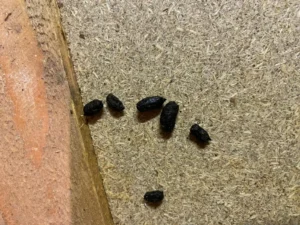
You might also hear scratching or scurrying sounds in the walls, ceiling, or under the floor, especially at night when rats are most active. If you hear these noises regularly, there’s a good chance rats are moving around inside your building.
Rats also leave greasy smudge marks along walls and baseboards where they travel. Their fur picks up dirt and oils, which rubs off on surfaces they brush against repeatedly.
Chewed food packages, gnaw marks on furniture or walls, and a strong musky smell are other signs that rats have moved in.
What Attracts Rats to NYC Apartments
Rats don’t randomly wander into apartments. They’re looking for three things: food, water, and shelter. If your apartment offers any of these, you’re more likely to have a rat problem.
Food is the biggest draw. Rats will eat just about anything, and they’re really good at finding food even when you think it’s stored safely. Crumbs on the floor, unsealed food packages, garbage that isn’t taken out regularly, and pet food left out overnight all attract rats.
Water sources also bring rats inside. Leaky pipes, dripping faucets, and even condensation on windows can provide enough water for rats to survive. In NYC apartments, plumbing issues are common, which makes it easy for rats to find water.
Shelter is the third factor. Rats want warm, safe places to nest, especially during colder months. Cluttered apartments with lots of hiding spots (like piles of boxes, stacks of newspapers, or storage areas) give rats places to hide and build nests.
How to Keep Rats Out of Your NYC Apartment
The best way to deal with rats is to stop them from getting inside in the first place. Once they’re in, they’re much harder to get rid of.
Start by sealing up entry points. Walk around your apartment and look for gaps, cracks, or holes where rats could squeeze through. Pay special attention to areas where pipes enter walls, gaps under doors, and cracks in baseboards.
Use steel wool or metal mesh to fill small gaps. Rats can chew through most materials, but they can’t chew through metal. For bigger holes, use concrete or metal flashing to block them off permanently.
Keep your apartment clean and don’t leave food out. Store dry goods in metal or thick plastic containers that rats can’t chew through. Take out your garbage regularly and make sure your trash can has a tight-fitting lid.
Fix any plumbing leaks right away. Even small drips can provide enough water for rats to survive. If you have condensation issues, use a dehumidifier to reduce moisture in your apartment.
Reduce clutter, especially in storage areas and closets. The less stuff you have piled up, the fewer places rats have to hide and nest.
If you have a fire escape, keep your windows closed or use metal screens. Check screens regularly for damage and replace them if they’re torn or worn out.
What to Do If Rats Are Already in Your Apartment
If you already have rats in your apartment, you need to act fast. Rats breed quickly, and a small problem can turn into a big infestation in just a few weeks.
Contact your landlord immediately. In NYC, landlords are required by law to deal with pest problems, including rats. They need to hire a pest control professional to inspect the building and set up a treatment plan.
Don’t try to handle a serious rat infestation on your own. Professional pest control companies have the tools and experience to find where rats are getting in, seal up entry points, and get rid of the rats safely.
While you’re waiting for pest control, you can set up snap traps in areas where you’ve seen rat activity. Place them along walls and in corners where rats like to travel. Bait the traps with peanut butter or dried fruit.
Never use poison without talking to a professional first. Poisoned rats can die inside your walls, which creates a horrible smell that can last for weeks. Also, poison is dangerous if you have pets or kids in your apartment.
Why Rats Keep Coming Back
Even after you’ve dealt with a rat problem, there’s always a chance they’ll come back. That’s because NYC has a massive rat population, and your apartment building is just one of thousands of potential homes for them.
Rats are constantly looking for new places to live, especially when the weather changes. In the fall and winter, they look for warm indoor spaces. In the summer, they might move around more to find food and water.
If your building has ongoing issues with cracks, gaps, or poor sanitation, rats will keep finding ways inside. Building-wide pest control is really important in NYC because rats don’t just stay in one apartment. They move through the entire building.
Talk to your neighbors about rat problems. If multiple tenants are dealing with rats, it’s a building-wide issue that needs to be addressed by the landlord and a professional pest control company.
Conclusion
Rats get into NYC apartments through surprisingly small gaps and cracks. They can squeeze through openings as small as a quarter, climb up pipes, crawl through vents, and even come up through toilets in rare cases.
The key to keeping rats out is sealing up entry points, keeping your apartment clean, and fixing any plumbing issues that provide water. If you already have rats, contact your landlord right away and get professional pest control involved.
NYC’s rat problem isn’t going away anytime soon, but you can protect your apartment by staying vigilant and making it as hard as possible for rats to get inside.

Hi, my name is Ezra Mushala, i have been interested animals all my life. I am the main author and editor here at snakeinformer.com.