
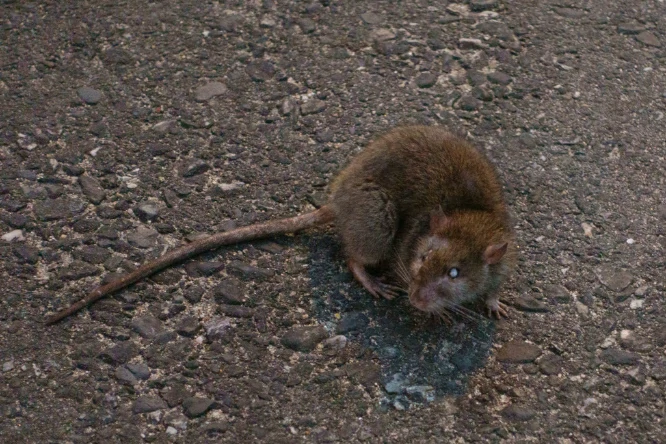
Rats are smart animals. Anyone who’s dealt with them knows they can be tricky to catch and surprisingly good at solving problems. They remember things, learn from experience, and can even recognize individual people.
But there’s a question that comes up pretty often when people are dealing with rat problems: can rats actually hold grudges? If you’ve trapped or hurt a rat, will it come back looking for payback? Do rats get revenge on humans?
No, rats don’t get revenge on humans. Rats don’t have the mental ability to plan revenge or hold grudges. They react to immediate threats and remember dangerous situations, but they don’t understand the concept of payback or deliberately seek out humans who’ve harmed them.
While rats are intelligent for rodents, revenge requires a level of complex thinking that they just don’t have. They live in the moment and respond to what’s happening right now, not what happened days or weeks ago.
What Revenge Actually Requires
To understand why rats can’t get revenge, you need to think about what revenge actually is. Revenge isn’t just reacting to danger or defending yourself. It’s planning ahead, remembering who hurt you, and deliberately choosing to harm them back later.

That kind of thinking requires self-awareness, long-term planning, and the ability to understand that other individuals have intentions. You need to think something like “that person hurt me on purpose, so I’m going to hurt them back.”
Rats don’t think that way. They’re smart, but their intelligence is focused on survival. Finding food, avoiding danger, and staying alive are what drive rat behavior, not complex emotions like anger or the desire for payback.
How Rat Intelligence Actually Works
Rats are definitely intelligent animals. Studies have shown they can learn mazes, remember solutions to problems, and even recognize individual humans by sight and smell.
They have really good memories for things that matter to their survival. If a rat eats food from a certain place and gets sick, it’ll remember to avoid that spot. If a trap hurts or scares a rat, other rats in the area will learn to avoid similar traps.
This is why rats can be so hard to catch once they’ve learned what traps look like. They’re not being spiteful or plotting against you. They’re just remembering that certain things are dangerous and avoiding them.
Rats can also solve simple problems. If they need to reach food, they can figure out how to climb, dig, or chew their way to it. They can even work together in groups to get things done.
But all of this intelligence is practical. It’s about solving immediate problems and staying alive, not about emotional reactions or planning revenge.
Why People Think Rats Might Seek Revenge
The idea that rats might get revenge probably comes from a few different things. First, rats are persistent. If you block one entry point to your house, they’ll find another. If you catch one rat, more might show up.

This can feel like they’re intentionally targeting you, but they’re not. They’re just trying to survive. Your home has food, water, and shelter. Rats will keep trying to get inside because that’s where the resources are, not because they’re mad at you.
Second, rats can be aggressive when cornered. If you trap a rat or back it into a corner, it might bite or attack. This isn’t revenge though. It’s self-defense. The rat is scared and trying to protect itself.
Third, rats sometimes seem to show up right after you’ve dealt with one. You might catch a rat, then see another one a few days later in the same spot. It feels personal, but it’s actually just because rats tend to use the same paths and entry points. If one rat found a way into your house, other rats will likely find the same route.
What Rats Actually Remember
Rats do have good memories, but they remember things differently than humans do. They remember experiences that have direct survival value.
If a rat gets caught in a trap and escapes, it’ll remember that traps are dangerous. It’ll avoid similar traps in the future, and it might even avoid the general area where the trap was. Other rats can learn from this too. If one rat in a group has a bad experience with something, the others will notice and be more cautious.
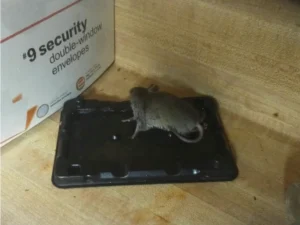
Rats also remember food sources. If they find a reliable place to get food, they’ll come back to it repeatedly. This is why rats keep showing up in the same spots even after you’ve tried to get rid of them.
They can recognize individual humans by smell and sight. If you’re the person who feeds them (like in a lab setting), they’ll get comfortable around you. If you’re the person who’s always chasing them or setting traps, they might be more cautious when you’re around.
But this isn’t revenge. It’s learned behavior. The rat remembers that you’re associated with danger, so it stays away from you. It’s not plotting to attack you later.
How Rats React to Threats
When rats feel threatened, they have a few basic responses. They can run away, hide, freeze in place, or fight back if they’re cornered.
These are instinctive reactions. The rat isn’t thinking “this person hurt me, I’m going to get them back.” It’s thinking “danger, get away now.”
If a rat bites you, it’s because it felt trapped or scared, not because it’s angry or seeking revenge. Rats would much rather run away than fight. They only bite as a last resort when they can’t escape.
After a threatening situation, rats will avoid the area or the person involved, but that’s a survival strategy, not revenge. They’re just being cautious.
Why Rats Keep Coming Back After You’ve Caught One
One of the main reasons people think rats might be getting revenge is because they keep showing up even after you’ve dealt with them. You catch one rat, and suddenly there’s another. You seal up a hole, and they find a different way in.
This persistence makes it feel like the rats are deliberately targeting you, but there’s a simpler explanation. Rats are everywhere. In cities especially, the rat population is huge.
If your home or property has food, water, and shelter, rats will keep trying to get in because those resources are valuable to them.
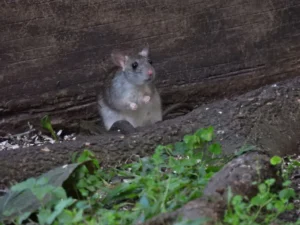
When you catch one rat, you’re not catching the only rat in the area. There are probably dozens or hundreds of other rats nearby, and they’re all looking for the same things. If one rat found a way into your house, other rats will find that same route because they’re following scent trails and exploring the same paths.
It’s not personal. It’s just numbers. There are more rats than you can easily get rid of, and they’re all trying to survive.
Can Rats Recognize Individual People?
Yes, rats can recognize individual people, but not in the way you might think. They use smell and sound more than sight. If you’ve been around a rat regularly, it can learn to recognize your scent and the sound of your voice or footsteps.
Lab rats, for example, can tell different researchers apart. They might be more comfortable with one person than another based on their past interactions. If one researcher is always gentle, the rat learns to associate that person with safety. If another researcher is rougher or causes pain, the rat learns to be more cautious around them.
This shows that rats have good memories and can learn from experience, but it doesn’t mean they’re planning revenge. A rat that avoids you because you’ve scared it before is just being careful, not plotting against you.
What Happens When Rats Feel Threatened by You
If a rat sees you as a threat, it’ll try to avoid you. That’s the most common response. Rats are prey animals, and their instinct is to stay away from things that might hurt them.
If you corner a rat or grab it, it might bite. This is a defensive reaction, not revenge. The rat is scared and trying to get away. Once it’s free, it’ll run and hide, not stick around to attack you again.

Some rats will freeze when they’re scared. This is another instinct. In the wild, staying still can make you harder to spot. If a rat freezes when it sees you, it’s not planning anything. It’s just trying to survive.
Aggressive behavior in rats is usually a sign that the rat feels trapped or is protecting something (like a nest or food source). It’s not personal.
Do Rats Warn Each Other About Humans?
Rats are social animals, and they do communicate with each other. If one rat has a bad experience, other rats in the group can pick up on it and become more cautious.
For example, if one rat gets sick from eating poisoned food, other rats will avoid that food source. They can tell something’s wrong by watching the sick rat’s behavior.
If one rat has a close call with a trap, other rats will notice and be more careful around similar traps. They might avoid that area altogether.
This isn’t about warning each other in the way humans do. It’s more about social learning. Rats pay attention to what’s happening to other rats, and they adjust their behavior based on what they observe.
So if you’ve caught one rat, other rats in the area might become “trap shy” and harder to catch. But they’re not teaming up against you. They’re just being more careful because they’ve learned that your house is dangerous.
The Real Reason Rats Are Hard to Get Rid Of
The reason rats seem so persistent isn’t because they’re seeking revenge or targeting you specifically. It’s because they’re really good at surviving.

Rats breed fast. A female rat can have up to 12 babies in a litter, and she can have multiple litters per year. Even if you catch several rats, there are always more to take their place.
They’re also adaptable. If you block one entry point, they’ll find another. If you use one type of trap, they’ll learn to avoid it. They’re constantly adjusting to whatever you throw at them.
Rats also have strong survival instincts. They’re cautious, they learn quickly, and they remember what’s dangerous. This makes them challenging to deal with, but it doesn’t mean they’re vindictive.
Conclusion
Rats don’t get revenge on humans. They don’t have the mental ability to hold grudges or plan payback. What looks like revenge is actually just rats doing what they do best: surviving.
If rats keep showing up after you’ve tried to get rid of them, it’s because there are more rats in the area and your property offers something they need. If a rat bites you, it’s defending itself, not attacking you out of anger.
Rats are smart, they have good memories, and they learn from experience. But they’re not capable of complex emotions like spite or the desire for revenge. They’re just trying to stay alive, find food, and avoid danger.

Hi, my name is Ezra Mushala, i have been interested animals all my life. I am the main author and editor here at snakeinformer.com.