

Rats are known for their climbing abilities. You’ll often find them scurrying up walls, trees, and even pipes to reach food or shelter.
But what happens when they lose their grip or jump from a high place? Can rats survive high falls?
Rats can survive falls from surprisingly high distances. Most rats can fall from 15 to 20 feet without serious injury. Some have survived falls from 50 feet or more, though injuries become more likely at extreme heights.
Rats have several physical features that help them survive falls that would seriously hurt larger animals. Their small size, flexible bodies, and relatively light weight all work in their favor when they take a tumble.
Why Rats Can Survive Falls Better Than Larger Animals
The physics of falling work differently for small animals than they do for big ones. When you fall, your weight increases the force of impact, but your air resistance stays about the same.

Rats are light (usually less than a pound), so they don’t build up as much speed when they fall. Their small, flat bodies also catch more air relative to their weight, which slows them down.
This is called terminal velocity. For humans, terminal velocity is around 120 mph. For a rat, it’s only about 40 mph. This much slower speed means the impact is way less severe.
Rats also have really flexible skeletons and strong legs that act like shock absorbers. When they hit the ground, their legs bend and their body compresses to spread out the impact force.
How High Can Rats Fall Without Getting Hurt?
Most rats can fall from about 15 to 20 feet and walk away without any injuries at all. This is roughly the height of a two-story building.
Falls from this height are pretty common for rats that live in attics or climb around outside. They’ll jump or slip, fall to the ground, shake it off, and keep going like nothing happened.
At heights between 20 and 40 feet, rats might get injured but will usually survive. They could end up with bruises, sprains, or maybe a broken bone, but these injuries often aren’t fatal.
Above 50 feet, the chances of serious injury or death go up a lot. But even at this height, some rats have survived. There are documented cases of rats falling from four or five stories and living to tell the tale.
What Happens When a Rat Falls?
When a rat starts falling, it immediately tries to orient itself. Rats have an amazing sense of balance and can twist their bodies mid-air to land on their feet, similar to cats.
This reflex is called the “righting reflex,” and it happens in a fraction of a second. The rat uses its tail for balance and spreads its legs out to increase air resistance.
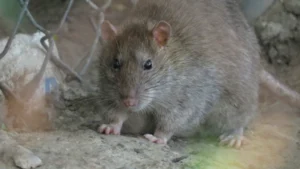
As it falls, the rat’s body acts like a parachute. Its relatively large surface area compared to its weight helps slow the fall. The rat’s flexible spine also lets it twist and adjust its position.
When it hits the ground, the rat’s legs absorb most of the impact. Its bones are strong but flexible enough to bend without breaking. The rat might bounce slightly on impact, then scramble away to safety.
Do Rats Always Land on Their Feet?
Rats are really good at landing on their feet, but it’s not guaranteed every time. If a rat falls from a very short distance (less than a few feet), it might not have enough time to flip itself around.
The righting reflex needs at least a second or two to work properly. During a short fall, the rat hits the ground before it can fully orient itself.
Also, if a rat is sick, injured, or caught off guard, it might not react fast enough. A healthy rat falling from a decent height will almost always land on its feet, but there are exceptions.
Even when they land on their feet, rats can still get hurt if the fall is too high. Landing properly helps, but it doesn’t make them invincible.
Factors That Affect Whether a Rat Survives a Fall
Several things can influence whether a rat walks away from a fall or ends up injured.
The surface they land on makes a huge difference. Landing on soft grass or dirt is way better than landing on concrete or hard floors. Soft surfaces absorb some of the impact, while hard surfaces don’t give at all.
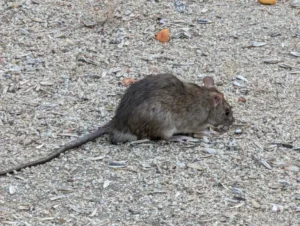
The rat’s age and health matter too. Young, healthy rats have better reflexes and stronger bones. Older rats or sick rats are more likely to get hurt from the same fall.
The rat’s size also plays a role. Smaller, lighter rats survive falls better than bigger, heavier ones. A large Norway rat might struggle with a fall that a young roof rat could handle easily.
Whether the rat was expecting the fall is another factor. A rat that jumps intentionally can prepare its body for landing. A rat that slips or gets knocked off balance might not have time to react properly.
Can Baby Rats Survive Falls?
Baby rats (called pups) are even lighter than adults, which actually helps them survive falls. Their tiny bodies don’t build up much speed, and they’re naturally more flexible.
However, baby rats also have less developed reflexes. They might not flip themselves around as efficiently as adults, which could lead to landing awkwardly.
In general, baby rats can survive short falls pretty well. If they fall out of a nest that’s 10 or 15 feet high, they’ll probably be okay. But they’re more vulnerable to predators after a fall since they can’t run as fast as adults.
Mother rats are usually pretty careful with their babies. They build nests in secure spots where the pups are unlikely to fall. If a baby does fall, the mother might retrieve it if it’s safe to do so.
Falls From Different Heights: What to Expect
Here’s a breakdown of what typically happens at different heights.
Falls from 1 to 5 feet: No injuries at all. Rats fall from these heights all the time when jumping between surfaces or climbing. They land, keep moving, and don’t even slow down.

Falls from 5 to 15 feet: Still usually fine. Rats might land hard and pause for a second, but they’ll recover quickly and run off. Injuries are rare at this height.
Falls from 15 to 30 feet: This is where injuries start to become possible. Most rats will still survive, but they might have bruises, sprains, or temporary pain. They’ll usually run away after landing, but they might be moving slower.
Falls from 30 to 50 feet: Serious injuries become more likely. Broken bones, internal injuries, or severe bruising can happen. Some rats will die from falls at this height, but many still survive, especially if they land on soft ground.
Falls above 50 feet: This is where things get really dangerous. The survival rate drops significantly, though it’s still not zero. Rats that survive these falls often have major injuries and might not live long afterward.
How Rats Compare to Other Animals in Surviving Falls
Rats aren’t the only small animals that can survive big falls. Mice, squirrels, and even cats have similar abilities.
Cats are famous for surviving falls from high places. There are cases of cats falling from 10-story buildings and walking away. They have a lower terminal velocity than humans, just like rats.

Squirrels are even better at surviving falls than rats. They’re lighter and have bushy tails that act like parachutes. A squirrel can fall from almost any height and survive because its terminal velocity is so low.
Larger animals like dogs, raccoons, or opossums don’t fare as well. Their heavier bodies mean harder impacts, and their terminal velocities are higher. A fall that wouldn’t hurt a rat could kill a dog.
What Injuries Do Rats Get From Falls?
When rats do get injured from falls, the most common problems are broken legs, sprains, bruising, internal bleeding, and head injuries if they don’t land properly.
Broken legs are probably the most common injury. The rat’s back legs take most of the impact, so fractures in the leg bones can happen during high falls.
A rat with a broken leg will usually drag it or hold it up while moving. In the wild, this is often a death sentence because the rat can’t escape predators or find food effectively.
Internal injuries are harder to spot. A rat might look fine after a fall but have internal bleeding or organ damage. These injuries can be fatal even if the rat seems okay at first.
Do Pet Rats Survive Falls as Well as Wild Rats?
Pet rats have the same physical abilities as wild rats, so they can theoretically survive the same heights. However, pet rats might not have as much practice with climbing and jumping.

Wild rats spend their whole lives climbing, jumping, and navigating complex environments. They’re basically professional acrobats. Pet rats might be clumsier if they haven’t had much opportunity to climb.
If your pet rat falls from its cage or a high surface, it’ll probably be okay if the fall is less than a few feet. But you should still check for injuries and watch for signs of pain or difficulty moving.
To keep your pet rat safe, make sure its cage is secure and not placed on a high surface where it could fall. Rats are curious and will try to escape if they get the chance, so don’t give them opportunities to take dangerous falls.
Signs a Rat Is Injured After a Fall
If you see a rat fall and you’re wondering whether it’s hurt, here are some signs to look for.
Limping or dragging a leg usually means a broken bone or bad sprain. The rat might still try to run away, but it’ll be moving awkwardly.

Difficulty breathing could indicate internal injuries. If the rat is panting or breathing heavily while sitting still, something might be wrong inside.
Disorientation or stumbling suggests a possible head injury. Rats with concussions might walk in circles or seem confused.
Bleeding from the nose or mouth is a bad sign. This usually means internal bleeding or serious facial injuries.
Not moving at all could mean the rat is in shock, badly hurt, or even dying. A healthy rat will almost always try to escape, so if it’s just sitting there, it’s in trouble.
Conclusion
Rats can survive falls from impressive heights thanks to their small size, light weight, and flexible bodies. Most rats can fall from 15 to 20 feet without getting hurt, and many can survive falls from 50 feet or more.
Their ability to land on their feet and absorb impact through their legs helps protect them. However, falls from extreme heights can still cause serious injuries or death.
If you’re dealing with rats in your home and they’re climbing around in high places, don’t assume a fall will take care of the problem. They’re tougher than they look, and they’ll almost certainly survive and keep causing trouble.

Hi, my name is Ezra Mushala, i have been interested animals all my life. I am the main author and editor here at snakeinformer.com.