
Finding rats in your home is stressful enough, but discovering they’re big rats makes it even worse. Large rats are not only more intimidating, they’re also smarter and more cautious than younger ones.
If you’ve tried standard traps and they’re not working, you’re probably dealing with a big, experienced rat that knows how to avoid danger. How do you catch big rats in your home?
To catch big rats, use larger snap traps or multi-catch traps placed along walls where rats travel. Use high-protein baits like peanut butter or bacon, leave traps unset for a few days to build trust, and place multiple traps since big rats are often more cautious and trap-shy than younger rats.
Big rats (usually Norway rats) require a different approach than small ones. They’re warier, stronger, and better at avoiding traps. But with the right strategy, you can catch them.
Why Big Rats Are Harder to Catch
Big rats didn’t get big by being careless. They’ve survived long enough to grow to full size, which means they’ve learned to avoid dangers.
Older rats are naturally more cautious about new objects in their environment. If you suddenly place a trap in their path, they’ll often avoid it for several days or even weeks until they’re sure it’s safe.

This behavior is called “neophobia,” which basically means fear of new things. Young rats don’t have this as strongly, but older, bigger rats have learned that new things can be dangerous.
Big rats are also stronger and heavier. Small snap traps that would kill a young rat might not have enough power to kill a large one. You need bigger, more powerful traps.
On top of that, if a big rat has escaped a trap before (maybe it was strong enough to break free), it’ll remember that experience and avoid similar traps in the future. This is called being “trap-shy.”
Best Types of Traps for Big Rats
Not all traps are created equal when it comes to catching large rats. Here are the most effective options.
Large snap traps are your best bet for killing big rats quickly. Look for traps specifically labeled for rats (not mice). Rat snap traps are bigger, have stronger springs, and deliver more force. Brands like Victor make heavy-duty rat traps that work well on large rats.
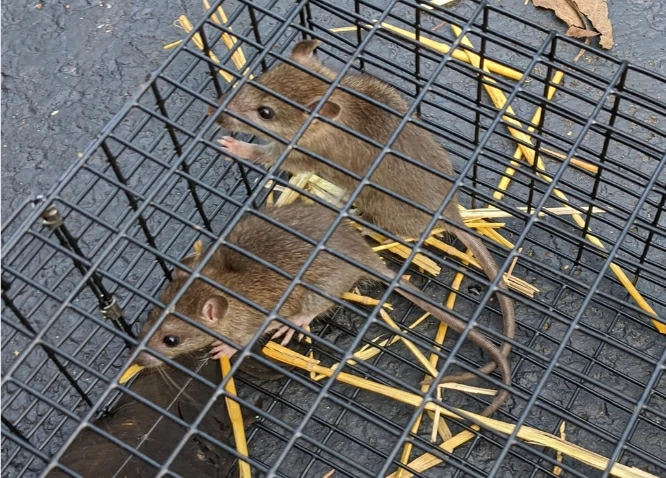
Multi-catch traps (also called repeater traps) can catch multiple rats without needing to be reset. These are metal or plastic boxes with a one-way door. Rats go in but can’t get out. They’re good if you have several rats or if you want to catch them alive.
Electronic traps deliver a lethal electric shock when a rat enters. They’re quick, humane, and work well on big rats. They’re more expensive than snap traps, but they’re also more reliable.
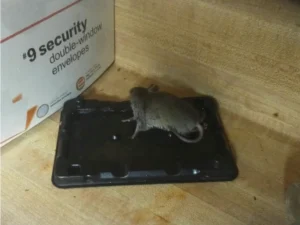
Glue traps are not recommended for big rats. Large rats are often strong enough to pull free or drag the trap around. Even if they get stuck, it’s inhumane because the rat suffers for a long time before dying.
Live cage traps can work for big rats if you want to catch and release them far from your home. However, releasing rats elsewhere is illegal in some areas because you’re just making them someone else’s problem.
Where to Place Traps for Big Rats
Trap placement is just as important as the trap itself. Rats have specific travel patterns, and if you put traps in the wrong spots, you won’t catch anything.
Place traps along walls, not in the middle of rooms. Rats have poor eyesight and prefer to travel along edges where they can feel their way. They almost never run across open spaces.
Look for signs of rat activity before placing traps. These signs include droppings (dark, pellet-shaped, about the size of a raisin), grease marks on walls (dark smudges from their oily fur), gnaw marks on wood or plastic, and footprints in dusty areas.
Place traps perpendicular to the wall with the trigger end facing the wall. This forces the rat to cross the trigger as it runs along the wall.
Set multiple traps in the same area. Big rats often travel the same routes repeatedly. If they avoid one trap, they might trigger another one nearby.
Focus on high-traffic areas like along baseboards in the kitchen, behind appliances (stoves, refrigerators, dishwashers), in the basement or attic along the walls, near entry points where rats are getting in, and in corners or tight spaces where rats feel safe.
Best Baits for Big Rats
The right bait can make a huge difference in catching rats. Big rats prefer high-protein, high-fat foods.
Peanut butter is one of the most effective baits. It’s sticky, so rats have to work to get it off the trap trigger, which increases the chance they’ll set off the trap. It also smells really strong, which attracts rats from a distance.

Bacon or bacon grease works great too. The smell is irresistible to rats, and the grease has a strong scent that travels far. You can either tie a small piece of cooked bacon to the trigger or smear bacon grease on it.
Chocolate (especially Nutella or chocolate spread) is another good option. Rats love sweet, fatty foods, and chocolate combines both.
Dried fruit, nuts, or seeds can work if you’re dealing with rats that seem to prefer plant-based foods. Some rats in homes with lots of grain-based foods might go for these baits more readily than meat.
Whatever bait you use, use just a small amount. You want the rat to have to work to get it, not be able to grab it easily and run off.
Pre-Baiting: Building Trust Before Setting Traps
Here’s a trick that significantly increases your success rate: pre-baiting. This means leaving traps unset with bait on them for several days before actually setting them.
This allows big rats to investigate the new object in their environment without any danger. They’ll sniff the trap, maybe even eat the bait, and learn that it’s safe.
After a few days of this, they’ll let their guard down. They’ll approach the trap more confidently and won’t be as cautious. That’s when you set the trap.
Here’s how to do it. Place your traps in the locations you’ve chosen, but don’t set them. Just leave them there with bait on the trigger.
Check daily and replace the bait if it’s been eaten. This shows you that rats are actually using this path and are interested in the bait.
After three to five days (or once you see that rats are regularly taking the bait), set all the traps. Check them in the morning because rats are most active at night.
This method requires patience, but it works much better than just setting traps immediately, especially with big, cautious rats.
How Many Traps to Use
If you’re only setting one or two traps, you’re probably not going to have much success. Big rats are smart, and they’ll often avoid a single trap even if it’s in a good spot.
Use multiple traps in the same area. If you see droppings in your kitchen, don’t just set one trap. Set four or five along different sections of the wall.
The idea is to make it hard for the rat to avoid all the traps. Even if it dodges the first two or three, it might trigger the fourth one as it’s focused on avoiding the others.
Also, set traps in multiple rooms. Rats don’t stay in just one area. They travel throughout your home looking for food and water. If you only trap the kitchen, you might miss the rats traveling through the basement or attic.
A good rule of thumb is to set at least six to eight traps for a moderate rat problem. If you have a serious infestation, you might need 15 or 20 traps.
Checking and Resetting Traps
Once your traps are set, you need to check them regularly. Leaving a dead rat in a trap for days is not only gross, it also wastes that trap and can attract other pests.
Check traps every morning. Rats are most active at night, so morning is when you’re most likely to find a catch.
If a trap has caught a rat, dispose of the rat carefully. Wear gloves and put the rat in a sealed plastic bag before throwing it in your outdoor trash.

Reset the trap in the exact same spot. If you caught one rat there, there’s a good chance others are using the same route.
If a trap has been triggered but there’s no rat, it means the rat escaped or the trap misfired. Reset it and consider using a more powerful trap in that spot.
What to Do If Traps Aren’t Working
If you’ve set traps correctly and still aren’t catching anything after a week, here are some things to try.
Change your bait. Maybe the rats in your home prefer something different. Try switching from peanut butter to bacon, or vice versa.
Move your traps. You might not have them in the right spots. Look for fresh droppings or other signs of recent activity and move traps to those areas.
Use more traps. You might not be using enough. Double or triple the number of traps you have set.
Try different types of traps. If snap traps aren’t working, try electronic traps or multi-catch traps.
Make sure you’re not leaving food out. If rats have easy access to food in your kitchen, they won’t be interested in trap bait. Seal all food in containers and clean up crumbs.
Safety Tips When Trapping Rats
Trapping rats can be dangerous if you’re not careful. Here are some important safety tips.
Always wear gloves when handling traps, dead rats, or areas where rats have been. Rats carry diseases and parasites, and you don’t want to come in direct contact with them.

Wash your hands thoroughly after dealing with traps, even if you wore gloves. Use hot water and antibacterial soap.
Keep traps away from pets and children. Rat snap traps are powerful enough to hurt a curious pet or a child’s fingers. Place them in areas where only rats can reach them, like behind appliances or under cabinets.
Don’t touch a live rat with your bare hands, even if it’s injured. Live rats can bite, and their bite can transmit diseases. If you catch a rat alive, handle the trap carefully and wear thick gloves.
Disinfect areas where you’ve caught rats. Use bleach or another disinfectant to clean the floor and walls near the trap. Rats can leave behind bacteria and viruses.
Using Poison Alongside Traps
Some people use rat poison (rodenticide) in addition to traps. This can work, but there are some serious drawbacks.
Poison can kill rats, but they often die inside your walls where you can’t reach them. A dead rat inside your wall will smell terrible for weeks as it decays.
Poisoned rats can also be eaten by pets or wildlife (like cats, dogs, or birds of prey), which can poison those animals too. This is a real risk if you use poison outdoors.
If you do decide to use poison, combine it with traps. Place bait stations (secured boxes that hold poison) near where you’ve seen rat activity, and also set traps in the same areas.
Check local laws before using poison. Some cities and states have restrictions on rodenticides, especially ones that are toxic to other animals.
When to Call a Professional
Sometimes, no matter what you try, you just can’t catch the big rats on your own. If you’ve been trying for more than a month with no success, it might be time to call a pest control professional.
Professionals have access to stronger traps, better baits, and commercial-grade equipment that isn’t available to regular homeowners. They also have experience dealing with trap-shy rats.
They can also identify how rats are getting into your home and seal those entry points, which is just as important as catching the rats you already have.
If you’re dealing with a large infestation (multiple rats in different areas of your home), a professional can handle it more efficiently than you can on your own.
Preventing Big Rats from Coming Back
Once you’ve caught the rats in your home, you need to make sure more don’t come in. Here’s how to rat-proof your house.
Seal all entry points. Rats can squeeze through holes as small as a quarter. Walk around your home and seal any cracks, gaps, or holes with steel wool, metal mesh, or concrete.
Remove food sources. Store all food in sealed containers, don’t leave pet food out overnight, and clean up crumbs and spills immediately.
Eliminate water sources. Fix leaky pipes, don’t leave water bowls out, and make sure there’s no standing water around your property.
Keep your yard clean. Trim bushes away from your house, remove piles of wood or debris, and keep trash in sealed bins.
Conclusion
Catching big rats in your home requires patience, the right equipment, and smart trap placement. Use large snap traps or electronic traps, place them along walls where rats travel, and use high-protein baits like peanut butter or bacon.
Pre-baiting your traps for a few days before setting them can significantly increase your success rate with cautious, trap-shy rats. Use multiple traps and check them daily.
If you’re not having success after a few weeks, consider calling a professional pest control service. Once you’ve eliminated the rats, seal up entry points and remove food sources to prevent new rats from moving in.

Hi, my name is Ezra Mushala, i have been interested animals all my life. I am the main author and editor here at snakeinformer.com.