
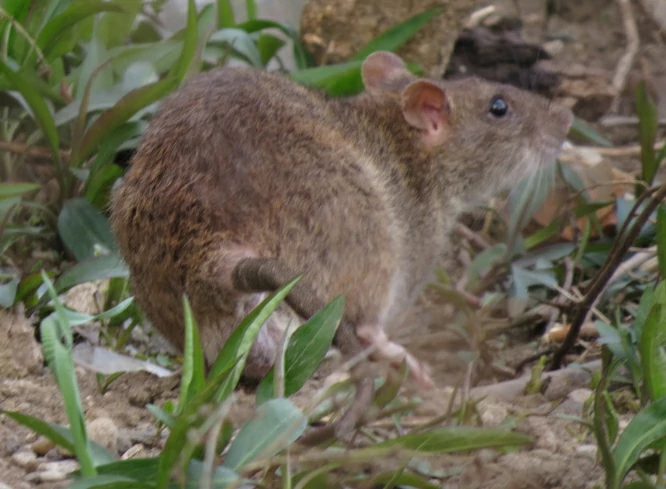
Rats are known for eating just about anything they can get their teeth on. From food scraps to cardboard boxes, these rodents seem to have an endless appetite.
If you’ve found shredded paper around your home, you might be wondering if rats can actually live off paper alone. Can rats survive on paper?
Rats can’t survive on paper alone. While they’ll chew and eat paper, it doesn’t provide the nutrients, protein, or water they need to stay alive. Paper might fill their stomachs temporarily, but they’ll eventually starve without access to real food.
Paper is mostly cellulose, which rats can’t really digest properly. It’s like eating cardboard for humans. Sure, you could technically swallow it, but your body won’t get anything useful from it.
Rats need protein, fats, and water to survive, and paper provides none of these things.
Why Rats Chew on Paper
Even though paper won’t keep them alive, rats still chew on it all the time. They’re not doing it because they think it’s food.
Rats have teeth that never stop growing. If they don’t constantly gnaw on things, their teeth will grow too long and make it hard to eat. Paper is soft and easy to chew, so it’s perfect for keeping their teeth filed down.
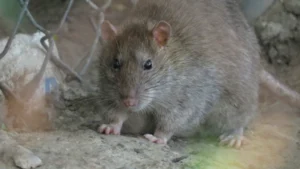
Also, rats love to shred paper for their nests. They’ll tear up newspapers, tissues, and cardboard to make cozy little beds. If you find piles of shredded paper in dark corners or hidden spots, there’s probably a rat nest nearby.
What Rats Actually Need to Survive
Rats are omnivores, which means they eat both plants and animals. In the wild, they’ll eat grains, fruits, seeds, insects, and even small animals if they can catch them.
In your home, they’ll go after pretty much anything. Bread, cereals, pet food, meat, cheese, and even crumbs on the floor are all fair game.
But here’s the thing: rats need water even more than food. They can only go a few days without water before they start to die. That’s why you’ll often find them near leaky pipes, dripping faucets, or pet water bowls.
Without proper food and water, a rat will die in about a week. Paper might keep them busy, but it won’t keep them alive.
Can Rats Digest Paper?
Technically, rats can eat paper and it’ll pass through their digestive system. But just because they can swallow it doesn’t mean they’re getting any nutrition from it.
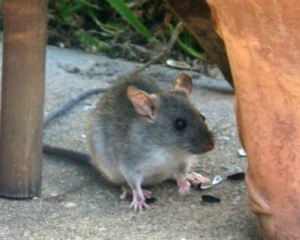
Paper is made from wood pulp, and rats don’t have the right gut bacteria to break down cellulose the way animals like cows or termites do. When they eat paper, it basically just moves through their stomach and comes out the other end unchanged.
Some people think rats eat paper because they’re starving, and that’s partly true. If a rat has absolutely nothing else to eat, it might try to fill its stomach with paper. But this is basically a last resort, and the rat won’t survive long doing this.
Signs Rats Are Eating Non-Food Items
If rats in your home are chewing on paper, cardboard, or other weird materials, it’s usually a sign they’re looking for food or nesting materials.
Here’s what to look for. Shredded paper or cardboard in corners, closets, or behind furniture. This usually means they’re building a nest.
Small bite marks on books, magazines, or boxes. Rats will gnaw on these to keep their teeth trimmed.
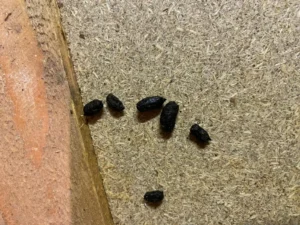
Droppings near chewed materials. Rat droppings are dark, pellet-shaped, and about the size of a rice grain. If you see these near shredded paper, you’ve got rats.
What Happens If Rats Only Eat Paper
Let’s say a rat gets trapped somewhere with only paper to eat. What actually happens?
At first, the rat will chew and swallow the paper just to feel full. But within a day or two, it’ll start feeling weak because it’s not getting any real nutrients.
After about three to four days without water, the rat will become really dehydrated. It’ll stop moving around as much and might start looking for any moisture it can find.
By the end of the week, the rat will likely die from starvation and dehydration. Paper can’t provide what the body needs to function, so even if the rat’s stomach feels full, it’s essentially starving.
How to Keep Rats from Chewing Paper in Your Home
If you’re dealing with rats that keep shredding paper, the best thing to do is cut off their access to food, water, and nesting materials.
Store paper products in sealed plastic bins. Don’t leave newspapers, tissues, or cardboard boxes lying around where rats can reach them.
Seal up any food in airtight containers. Rats have an amazing sense of smell, and they’ll chew through bags and boxes to get to food. Glass or heavy plastic containers work best.
Fix any water leaks. Dripping pipes, leaky faucets, and condensation around appliances all provide water for rats. If you dry up their water sources, they’ll be less likely to stick around.
Set traps near areas where you’ve seen shredded paper. Snap traps work well if you place them along walls where rats like to travel. Use peanut butter or bacon as bait since rats love high-protein foods.
Do Pet Rats Eat Paper?
If you have pet rats, you might notice they also like to chew on paper. This is totally normal and actually healthy for them.
Pet rats need to gnaw on things to keep their teeth from overgrowing, just like wild rats. Giving them safe materials to chew on, like plain paper or cardboard, can help with this.
But don’t rely on paper as part of their diet. Pet rats need proper rat food (pellets), fresh vegetables, and clean water every day. Paper is fine as a toy or nesting material, but it’s not food.
Some rat owners give their pets shredded paper or tissues to play with and build nests. This is safe as long as the paper doesn’t have ink, chemicals, or perfumes on it. Plain, unbleached paper is the best option.
Conclusion
Rats can chew and swallow paper, but they can’t survive on it. Paper doesn’t give them the protein, fats, or water they need to stay alive.
If you’re seeing shredded paper around your home, it usually means rats are using it for nesting material or to file down their teeth. The best way to deal with this is to remove their access to food, water, and shelter.
Keep food sealed, fix leaks, and clean up clutter where rats might hide. If the problem keeps going, you might need traps or professional pest control to get rid of them for good.

Hi, my name is Ezra Mushala, i have been interested animals all my life. I am the main author and editor here at snakeinformer.com.