

Finding rats in your loft can be really stressful, especially when you’re not sure how they got there in the first place. Your house might look completely sealed from the outside, but rats are incredibly good at finding and creating entry points. So how exactly do rats get into lofts?
Rats get into lofts by climbing up walls, pipes, and trees, then squeezing through small gaps in the roof, damaged vents, holes around pipes, or broken soffits. They can fit through openings as small as half an inch.
Rats are amazing climbers and can compress their flexible bodies to fit through spaces that look way too small. Once they find a weakness in your roof or walls, they’ll exploit it to get into your warm, safe loft space.
Rats Use Multiple Routes to Reach Your Roof
Before rats can get into your loft, they need to reach your roof. They have several ways to do this.
Climbing straight up walls is one of the most common methods. Rats have sharp claws and strong legs that let them grip onto rough surfaces like brick, stucco, and wood siding. They can climb vertical walls surprisingly fast.
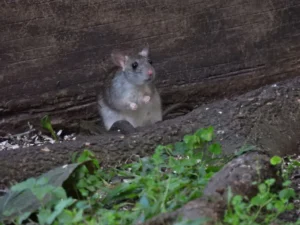
Pipes and drain spouts are like ladders for rats. If you have pipes running up the outside of your house, rats will use them to climb up to your roof. They wrap their bodies around the pipe and shimmy up.
Trees and bushes that touch or hang over your house create bridges for rats. They’ll climb up the tree and then jump or walk across branches to get onto your roof. Even branches that are a few feet away from your house can work because rats can jump pretty far.
Vines growing on your walls are another route. Ivy and other climbing plants give rats plenty of handholds to climb up to your roof.
The Most Common Entry Points Rats Use
Once rats are on your roof, they look for ways to get inside. Some spots are more vulnerable than others.
Roof vents are a really common entry point. Many vents have covers that are damaged, loose, or missing completely. Even if the vent cover is intact, rats can sometimes squeeze through the gaps around the edges.
Soffits (the underside of your roof overhang) and fascia boards (the vertical boards at the edge of your roof) often have small gaps or holes, especially in older homes. Rats can chew through rotten or damaged wood to make these openings bigger.
Gaps around pipes and utility lines are probably the most common way rats get in. When pipes or wires go through your roof, there’s usually a hole that’s bigger than it needs to be. The extra space is supposed to be sealed, but sometimes it’s not done properly or the seal breaks down over time.
Eave gaps (where the roof meets the walls) can have small openings that rats squeeze through. These gaps are often hidden and hard to spot from the ground.
Damaged or missing roof tiles create obvious entry points. A single broken tile can leave a gap big enough for a rat to get through.
Uncapped chimneys are basically open doors for rats. They can climb down into your loft from the top of an uncapped chimney.
How Rats Find These Entry Points
You might wonder how rats even know these openings are there. They’re actually really good at finding weak spots.
Rats explore constantly when they’re looking for shelter. They run along your roofline, testing different spots with their sensitive whiskers and nose. When they find a gap, they’ll investigate it.

If the opening is too small, rats will often chew on it to make it bigger. Their teeth are incredibly strong and never stop growing, so they need to chew on things constantly. Wood, plastic, and even some metals can be chewed through by determined rats.
Rats also follow scent trails left by other rats. If one rat has found a way into your loft, other rats in the area will probably find the same route. This is why rat problems can get worse really quickly.
What Makes Your Loft Attractive Once Rats Get In
Rats don’t just randomly pick lofts to invade. Once they get in, certain things make them want to stay.
Warmth is a huge factor, especially in colder months. Lofts are usually warmer than being outside, and if you have insulation, it’s even better. Rats are warm-blooded animals and they’re always looking for places that help them maintain their body temperature.
Lofts are quiet and undisturbed. Most people don’t go into their lofts very often, which means rats can live there without being bothered. This makes it a perfect place to build nests and raise babies.
Nesting materials are everywhere in most lofts. Insulation, stored cardboard boxes, old clothes, and paper all make great material for rat nests. Rats will shred these materials and use them to create warm, cozy nests.
Also, lofts provide protection from predators. Cats, dogs, owls, and other animals that hunt rats can’t easily reach them in a loft space.
The Size of Opening a Rat Actually Needs
One of the most surprising things about rats is how small an opening they can squeeze through.
Adult rats can fit through holes as small as half an inch in diameter. That’s about the size of a quarter. If a rat can fit its head through an opening, the rest of its body can follow because rats have flexible skeletons.
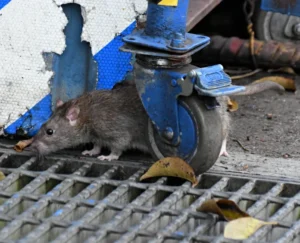
Young rats can fit through even smaller openings, sometimes as small as a quarter inch.
This is why it’s so hard to keep rats out. A gap that looks way too small to you is actually plenty big enough for a rat. Even a tiny crack in your roofline or a small gap around a pipe can be an entry point.
When you’re inspecting your roof for potential entry points, you need to look for really small gaps. Don’t assume something is too small for a rat to use.
How Weather Affects When Rats Try to Get Into Lofts
Rats try to get into lofts year-round, but certain times are worse than others.
Fall and early winter are peak times for rats seeking shelter indoors. As the weather gets colder, rats start looking for warm places to spend the winter. Your loft is perfect because it’s warm and protected.
Heavy rain also drives rats to seek shelter. When their outdoor burrows flood, they need to find dry places to stay. This is when you might suddenly discover rats in your loft even if you’ve never had a problem before.
During breeding season (which can happen multiple times a year), female rats look for safe, quiet places to have their babies. Lofts are ideal nurseries from a rat’s perspective.
Signs That Show How Rats Got Into Your Loft
Sometimes you can figure out how rats got in by looking at the evidence they leave behind.
Grease marks along walls, pipes, or beams show you the path rats are using. Rats have oily fur, and as they travel the same route repeatedly, they leave dark, greasy smudges.
Gnaw marks around holes or gaps show that rats have been chewing to make an entry point bigger. Fresh gnaw marks are lighter in color, while older marks are darker.
Rat droppings concentrated in one area of your loft might be near their entry point. Rats often leave droppings along their regular travel routes.
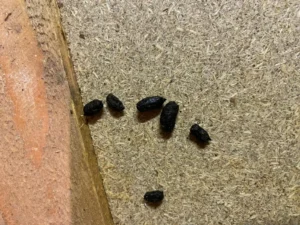
If you go into your loft during the day and see beams of light coming through holes, those are potential entry points. Where light gets in, rats can too.
Why Multiple Rats Use the Same Entry Point
If you have rats in your loft, there are probably several using the same way in.
Rats leave scent trails that other rats can follow. When a rat finds a good entry point, it marks the route with urine and scent from glands on its body. Other rats pick up on these scents and follow the same path.
Rats are also social animals and often live in groups. Where you have one rat, you usually have more. A family group of rats will all use the same entry point to get into your loft.
This is actually good news for you in one way. It means if you can find and seal the main entry point, you can stop most of the rats from getting in.
The Difference Between Roof Rats and Norway Rats
Not all rats get into lofts the same way. The two most common types of rats have different behaviors.
Roof rats (also called black rats) are excellent climbers and are more likely to live in high places like lofts. They’re smaller and more agile than Norway rats, which makes them really good at getting into roof spaces. They can easily climb trees, wires, and pipes.

Norway rats (also called brown rats) are bigger and bulkier. They’re not as good at climbing, but they can still reach lofts if there’s an easy route like a pipe or vine. Norway rats are more likely to burrow under your house, but they’ll definitely go into lofts if they can.

Both types can cause serious damage once they’re in your loft, but roof rats are the ones you’re most likely to find there.
How to Find Where Rats Are Getting Into Your Loft
If you want to keep rats out, you need to find their entry points first.
Start by walking around the outside of your house and looking up at your roofline. Use binoculars if you need them. Look for any gaps, holes, or damage in your soffits, fascia boards, and roof tiles.
Check all vents on your roof and walls. Make sure the covers are intact and properly attached.
Look at where pipes and wires go through your walls or roof. These spots often have gaps that need to be sealed.
Go into your loft during daylight hours and turn off any lights. Look for spots where you can see sunlight coming through. These are entry points.
Look for the signs we talked about earlier, like grease marks, gnaw marks, and droppings. Follow these clues to find the entry point.
What Materials Rats Chew Through to Get In
Rats can chew through a lot of different materials to create or enlarge entry points.
Wood is easy for rats to chew through, especially if it’s old or rotted. Soffits, fascia boards, and roof decking made of wood are all vulnerable.
Plastic and vinyl are no match for rat teeth. This includes plastic vent covers, vinyl siding, and plastic pipes.
Spray foam insulation can be chewed through easily. Some people use spray foam to seal gaps, but rats will just chew right through it if they’re determined.
Even soft metals like aluminum can be damaged by rat teeth over time, though it’s harder for them than wood or plastic.
Concrete and brick are too hard for rats to chew through, but they can take advantage of cracks or gaps in these materials.
How Long It Takes for Rats to Get Into Your Loft
Once rats find a potential entry point, it doesn’t take them long to get in.
If there’s already an opening big enough, a rat can get into your loft immediately. They don’t need any time to prepare or work on the opening.
If the opening is too small, rats might need to chew on it to make it bigger. Depending on the material, this could take a few hours to a few days. Soft wood can be chewed through in a single night.
Once one rat has made it into your loft, others will follow quickly. Within a week or two, you could go from one rat to a whole family living in your loft.
Steps to Block Rats From Getting Into Your Loft
Now that you know how rats get in, here’s what you can do to stop them.
Seal all gaps and holes larger than a quarter inch. Use materials that rats can’t chew through, like steel wool stuffed into holes and covered with metal flashing or hardware cloth.
Install or repair vent covers. Make sure all roof vents and wall vents have intact covers that are properly secured.

Cap your chimney with a metal chimney cap. This prevents rats from climbing down into your loft.
Trim tree branches so they’re at least six feet away from your roof. This removes the bridges rats use to get onto your house.
Repair any damaged roof tiles, soffits, or fascia boards. Don’t leave broken areas that rats can exploit.
Wrap exposed pipes with sheet metal or install pipe guards to make them harder for rats to climb.
When Professional Help Is Needed
Sometimes you need to call in an expert to deal with rats in your loft.
If you can’t find where rats are getting in, a professional pest control company can do a thorough inspection. They know all the common entry points and have experience finding hidden gaps.
If you’ve sealed what you think are the entry points but rats keep getting in, you’re missing something. Professionals can find those hidden spots you’re not seeing.
If you’re not comfortable climbing on your roof or working at heights, it’s safer to hire someone. Roof work can be dangerous if you don’t have the right equipment and experience.
Also, if you have a large infestation, professionals can remove the rats and seal entry points at the same time, which is more effective than trying to do it yourself.
Conclusion
Rats get into lofts by being persistent and taking advantage of any weakness in your roof. They climb up walls, pipes, and trees, then squeeze through surprisingly small gaps to get inside.
The good news is that once you understand how they’re getting in, you can take steps to block their entry points. The key is to be thorough and use materials that rats can’t chew through.
Regular inspections of your roofline and quick repairs of any damage will go a long way toward keeping rats out of your loft. Don’t wait until you hear scratching sounds at night. Prevention is much easier than dealing with an infestation.

Hi, my name is Ezra Mushala, i have been interested animals all my life. I am the main author and editor here at snakeinformer.com.