
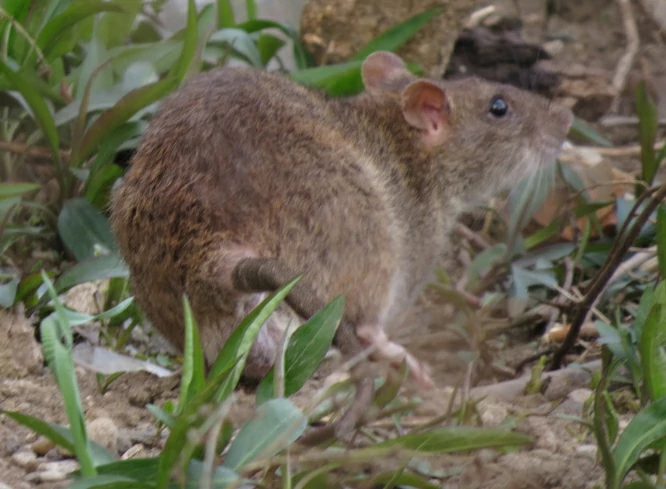
Cavity wall insulation is supposed to keep your home warm and energy efficient. But if you’ve heard scratching sounds coming from inside your walls, you might be wondering if rats can actually get through this insulation and make themselves at home. Can rats get through cavity wall insulation?
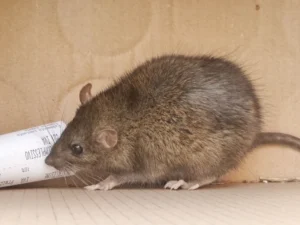
Yes, rats can get through cavity wall insulation. They can chew through most types of insulation materials including foam, fiberglass, and cellulose. Once they find a small gap or entry point into your cavity walls, the insulation won’t stop them from moving around and nesting inside.
Rats are really good at squeezing through tight spaces and they have strong teeth that can chew through almost anything soft. If they can get into your wall cavity, the insulation inside is just another material they’ll push through or nest in.
What Cavity Wall Insulation Actually Is
Cavity wall insulation fills the gap between the two layers of brick or block that make up most modern home walls. This gap (usually around 2-3 inches wide) was originally left empty for ventilation and moisture control.
The insulation material gets pumped or installed into this space to reduce heat loss. Common types include foam beads, mineral wool, fiberglass, and blown-in cellulose. These materials are great at trapping air and keeping heat in, but they weren’t designed to keep pests out.
Why Rats Can Get Through Insulation So Easily
Rats have teeth that never stop growing, so they need to constantly chew on things to keep them worn down. This means they can gnaw through soft materials like insulation without much trouble.

Most cavity wall insulation is made from materials that rats can either chew through or simply push aside. Foam beads can be displaced easily. Fiberglass batts can be torn apart. Even mineral wool, which is denser than other types, won’t stop a determined rat.
The real problem isn’t really the insulation itself. It’s the entry points that let rats access your wall cavities in the first place.
How Rats Actually Get Into Your Cavity Walls
Rats don’t usually chew through the solid brick or block walls themselves. Instead, they find existing gaps and holes that give them access to the cavity inside.
Common entry points include gaps around pipes and cables where they enter your home, cracks in mortar between bricks, ventilation bricks that aren’t properly screened, and holes where old pipes or vents were removed but never sealed properly.

Once a rat finds one of these openings (even if it’s really small), it can squeeze through. Adult rats can fit through holes as small as a quarter. Their skulls can compress, and their bodies are much more flexible than you’d think.
After they get into the cavity, the insulation becomes their highway. They can move up and down inside your walls, using the insulation as nesting material and creating tunnels through it.
What Happens When Rats Nest in Your Insulation
When rats set up home in your cavity wall insulation, they cause several problems. First, they compress and damage the insulation, which reduces its ability to keep your home warm. You might notice cold spots on your walls or higher heating bills.
Rats also contaminate the insulation with their urine and droppings. This creates health risks and can lead to bad smells that seep into your living spaces. The moisture from their waste can also cause dampness problems in your walls.
They’ll use the insulation material to build nests, pulling it apart and mixing it with other materials they bring in. This creates even more damage to your insulation’s performance.
Signs That Rats Are in Your Cavity Walls
Scratching or scurrying sounds inside your walls are the most obvious sign, especially at night when rats are most active. You might hear these sounds moving up and down or across your walls.
You might also notice a musty or ammonia-like smell coming from your walls. This is from rat urine building up inside the cavity. Bad smells that seem to come from nowhere often point to a pest problem inside your walls.
Look for grease marks on your walls near the floor or around pipes. Rats leave dark, oily streaks where their fur rubs against surfaces as they travel their regular routes.
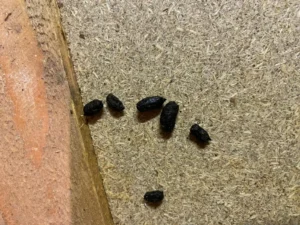
Droppings near the base of walls, especially in corners or behind furniture, are another clear sign. Rat droppings are about the size of a raisin and dark brown or black.
Types of Insulation and How Rats Interact With Them
Foam bead insulation is one of the easiest types for rats to move through. The small polystyrene beads can be pushed aside easily, and rats can create tunnels through them without much effort. They might even eat some of the foam, though it doesn’t provide any nutrition.
Blown-in cellulose insulation is made from recycled paper products. Rats can chew through this pretty easily and often use it as nesting material. It compresses under their weight as they move through it.
Fiberglass insulation comes in batts or loose fill. Rats can tear through the batts and push aside loose fiberglass. While the glass fibers might irritate their skin temporarily, it doesn’t stop them from moving through it or nesting in it.
Mineral wool insulation is denser and slightly more resistant than other types, but rats can still get through it if they’re determined. It takes them a bit more work, but it’s not a real barrier.
Why Cavity Walls Are Attractive to Rats
Cavity walls provide exactly what rats are looking for in a home. They’re protected from weather and predators, relatively warm (especially with insulation), and usually undisturbed by humans.

The narrow space of a cavity wall also makes rats feel secure. Rats prefer tight spaces where their bodies can touch surfaces on multiple sides. It makes them feel safe from predators.
Your cavity walls are also close to food and water sources inside your home. Rats can access your kitchen, bathroom, and other areas through small gaps around pipes and cables that run through the cavities.
The Problem With Trying to Block Rats Inside Walls
Some people think they can just seal up the entry hole once they know rats are inside. This is actually a really bad idea and can make things much worse.
If you trap rats inside your walls, they’ll die there. Dead rats create horrible smells that can last for weeks and attract other pests like flies and beetles. The smell is hard to get rid of without removing the dead animal.
Trapped rats will also become desperate and chew aggressively to try to escape. This can lead to more damage to your walls, wiring, and pipes. A panicked rat can cause serious structural problems in a short time.
How to Actually Get Rats Out of Your Cavity Walls
The first step is to figure out where rats are getting in. Walk around the outside of your home and look for any gaps, cracks, or holes in your walls. Pay special attention to areas where pipes and cables enter your home.
You’ll need to set traps inside your home near where you hear activity. Snap traps work well, but you need to place them correctly and check them daily. Bait them with peanut butter or nuts.
Once you’re sure all the rats are gone (no sounds, no new droppings for at least a week), seal up every entry point you found. Use materials rats can’t chew through, like metal mesh, concrete, or metal flashing.
For gaps around pipes, use expanding foam with metal mesh pushed into it, or steel wool packed tightly and then covered with caulk. Don’t rely on caulk or regular foam alone because rats can chew through these easily.
When You Need Professional Help
If you can’t find where rats are getting in, or if you’ve sealed holes but rats keep coming back, it’s time to call a pest control professional. They have tools and experience to find entry points you might miss.
Professional pest controllers can also access your cavity walls more safely than you can. They might need to drill small inspection holes to see the extent of the infestation and place bait or traps inside the cavity itself.
If your insulation has been heavily damaged or contaminated, you might need to have it replaced. This is a job for insulation professionals who can remove the old material safely and install new insulation properly.
Preventing Rats from Getting Into Your Cavity Walls
Regular home maintenance is your best defense against rats. Walk around your property every few months and look for new cracks, gaps, or damage that could let rats in.
Keep vegetation trimmed back from your walls. Overgrown bushes and climbing plants give rats cover and make it easier for them to access higher entry points on your walls.
Make sure all your ventilation bricks have proper metal mesh screens that are in good condition. These vents are common entry points when the screens rust away or fall off.
Repair any damaged mortar between bricks as soon as you notice it. Small cracks can quickly become bigger holes when weather and pests work on them.
What About Insulation That Claims to Be Rodent-Proof
Some companies sell insulation products that claim to be rodent-resistant or rodent-proof. These usually contain borate or other chemicals that are supposed to deter rodents from chewing.
The truth is that no insulation is truly rodent-proof. Treated insulation might slow rats down or make them less likely to nest in it, but if rats need to get through it to access food or shelter, they will.
These products can be part of your defense strategy, but they shouldn’t be your only line of defense. You still need to seal entry points and address the reasons rats want to get into your walls in the first place.
The Real Cost of Rats in Your Cavity Walls
Beyond the damage to your insulation, rats in your walls can cause expensive problems. They can chew through electrical wiring, which creates fire risks. Homeowners insurance often doesn’t cover damage caused by rodents.

Rats can also damage water pipes inside your walls, leading to leaks that cause water damage, mold growth, and structural problems. By the time you notice a leak, significant damage might already be done.
The health risks are real too. Rat urine and droppings can contain diseases that affect humans, including leptospirosis and hantavirus. When these contaminants are inside your walls, the pathogens can become airborne and circulate through your home.
How Cavity Wall Construction Affects Rat Problems
Older homes with cavity walls often have more gaps and entry points because building standards were different when they were built. The mortar might be deteriorating, and there might not be proper barriers where pipes and cables were added over the years.
Newer homes should have better cavity barriers and fewer gaps, but they’re not immune to rat problems. Poor construction, settling of the foundation, or damage over time can all create openings that rats can use.
Some very old homes don’t have cavity walls at all, which actually makes them less attractive to rats in some ways. Solid brick or stone walls are harder for rats to access and don’t provide the sheltered highway that cavity walls do.
What to Do If You Hear Rats Right Now
Don’t panic, but don’t ignore it either. Start by trying to pinpoint where the sounds are coming from. Listen at different times of day and mark the areas where you hear activity.
Set traps in your home near the areas where you hear sounds. Even though the rats are in your walls, they’re probably coming out to forage for food and water. You might be able to catch them during these trips.
Start inspecting the outside of your home right away to find entry points. The sooner you can seal these up (after making sure all rats are out), the better.
Keep food sealed in airtight containers and clean up crumbs and spills immediately. Don’t give rats any reason to stick around your home.
The Connection Between Outside Rat Activity and Wall Infestations
If you have rats living in your yard, shed, or garage, they’re much more likely to eventually find their way into your walls. Rats are constantly exploring their territory and testing potential den sites.
Deal with outdoor rat problems before they become indoor problems. Keep your yard clean, store garbage in sealed bins, don’t leave pet food outside, and eliminate water sources like dripping taps or standing water.
If you have compost bins, make sure they’re properly designed to keep rats out. Compost piles that include food scraps are really attractive to rats and can support large populations right next to your home.
Long-Term Prevention Strategies
Once you’ve dealt with a rat problem in your cavity walls, you need to stay vigilant to prevent it from happening again. Rats have good memories and will try to return to places where they’ve nested before.
Keep a maintenance schedule for your home’s exterior. Check for new cracks or gaps every season, especially after winter when freeze-thaw cycles can create new openings.
Consider installing door sweeps on all exterior doors and making sure window screens are in good repair. These simple barriers can stop rats from getting into your home through obvious entry points.
If you live in an area with a persistent rat problem, you might want to maintain a few bait stations around the outside of your property as a preventive measure. Check with local pest control companies about the best approach for your area.
Conclusion
Rats can definitely get through cavity wall insulation, and once they’re inside your walls, the insulation won’t stop them from moving around or nesting. The insulation itself isn’t really a barrier to rats because they can chew through or push aside most types of insulation materials.
The key to keeping rats out of your cavity walls is to find and seal all the entry points they’re using to access the cavity in the first place. Regular home maintenance, quick repairs of any damage, and good outdoor rat prevention will all help keep these pests out of your walls.
If you already have rats in your cavity walls, don’t try to seal them in. Instead, trap them or get professional help, and only seal the entry points once you’re absolutely sure all the rats are gone. This protects your home and prevents the problems that come with dead rats trapped inside your walls.

Hi, my name is Ezra Mushala, i have been interested animals all my life. I am the main author and editor here at snakeinformer.com.