
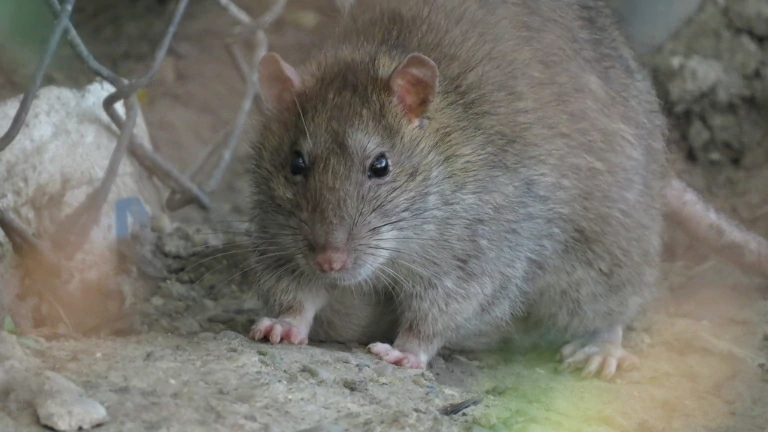
You walk out to your car one morning and find shredded paper or insulation scattered around, or worse, you smell something foul coming from under the hood. These are signs that something has been making itself at home in your vehicle. Can rats get into cars?
Yes, rats can get into cars through surprisingly small openings. They can enter through gaps around wiring harnesses, air intake vents, holes where cables pass through the firewall, and spaces around pedal assemblies. Once inside, they can cause expensive damage by chewing wires, hoses, and insulation.
Your car might seem sealed up tight, but there are actually many small openings that rats can squeeze through to get at the warm, sheltered spaces inside your engine bay and cabin. Parked cars make attractive shelters for rats, especially during cold weather.
How Rats Actually Get Into Cars
Rats can climb, so they don’t need an opening at ground level. They’ll climb up the tires and into the wheel wells, then look for ways to get into the engine compartment from there.
The engine bay has several openings that connect it to the outside. Air intake systems need openings for fresh air, the radiator needs airflow, and there are gaps where the hood closes that aren’t completely sealed.

Wiring harnesses and cables that run from the engine to the cabin pass through holes in the firewall (the metal barrier between the engine and passenger compartment). These holes often have rubber grommets with the wires passing through, but the grommets can deteriorate or might not seal perfectly.
The space around the pedal assembly where your brake, clutch, and gas pedals connect to the engine is another common entry point. There’s usually some gap here that rats can use to get from the engine bay into the cabin.
Why Rats Are Attracted to Cars
Parked cars provide shelter from weather and predators. The engine bay stays warm for hours after you’ve driven, which is really attractive to rats in cold weather.
Modern cars have lots of insulation, sound-deadening material, and cabin air filters that rats can use as nesting material. They’ll pull this apart and create nests in hidden spaces.
The wiring in modern cars often has soy-based insulation on it, which some researchers think might smell like food to rats. Whether or not this is true, rats definitely like to chew on car wiring.
If you park your car in the same spot every day and rats are active in that area, they’ll eventually investigate your vehicle as a potential den site. Cars parked in garages, carports, or near buildings are particularly vulnerable.
Signs That Rats Have Been in Your Car
The most obvious sign is chewed wires. You might notice electrical problems like lights not working, the check engine light coming on, or the car not starting at all.
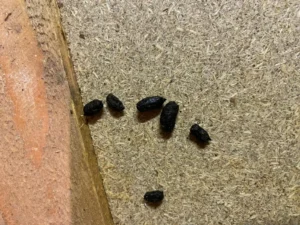
Droppings in the engine bay or inside the cabin are a clear indicator. Rat droppings are about the size of a raisin and dark brown or black when fresh.
You might find shredded paper, fabric, or insulation material. Rats bring soft materials into their nests, and they’ll also tear apart your car’s existing insulation to use as nesting material.
A strange smell, especially a musky or urine odor, can indicate rat activity. If the smell is really bad, there might be a dead rat somewhere in your car.
Grease marks or smudges on parts of the engine bay show where rats are traveling. Their oily fur leaves these marks on surfaces they squeeze past regularly.
The Damage Rats Can Cause to Cars
Chewed wiring is the most common and expensive problem. Rats can chew through important wiring harnesses, which can cost hundreds or even thousands of dollars to replace depending on which wires are damaged.
They can chew through rubber hoses for coolant, power steering, and brake fluid. A chewed brake line is a serious safety issue that could lead to brake failure.

Rats will tear apart insulation and sound-deadening materials to use for nesting. This reduces your car’s noise insulation and can be expensive to replace.
They can clog air filters and air intake systems with nesting material. This reduces engine performance and can even cause engine damage if the problem isn’t caught quickly.
Chewed upholstery and carpet inside the cabin can happen if rats get into the passenger area. They might also damage seat cushions to get at the foam inside for nesting material.
Where Rats Hide in Cars
The engine bay is the most common spot. Rats can hide behind the battery, near the air filter housing, in spaces around the radiator, or anywhere there’s a gap between engine components.
The cabin air filter housing is a favorite nesting spot. It’s enclosed, warm, and filled with filter material they can use for their nest. Plus, it’s relatively undisturbed since most people only change cabin air filters once a year.
Inside the dashboard and behind the glove box are possible hiding spots if rats get into the cabin. These areas are hard to access, which makes them appealing to rats.
Wheel wells provide temporary shelter, and rats might rest here before finding a way into the engine bay or cabin.
Under the battery tray and near the fuse box are warm spots that attract rats. These areas also have wiring that rats like to chew on.
How to Check Your Car for Rats
Pop the hood and look carefully at the engine bay. Use a flashlight to check in crevices and behind components. Look for droppings, nesting material, or chewed wires.
Check your cabin air filter. If it’s filled with nesting material or droppings, you have a rat problem. The cabin air filter is usually behind the glove box or under the dashboard, depending on your car model.
Look at the insulation on the underside of the hood. If it’s torn up or has chunks missing, rats have been there.
Check under your car for trails in dust or dirt that might show where rats are climbing up into the wheel wells. You might also see grease marks on the tires or inside the wheel wells.
Run your car and check if all the electrical components work properly. If you have mysterious electrical problems that come and go, it could be damaged wiring from rats.
Preventing Rats From Getting Into Your Car
Park in a garage with doors that close tightly if possible. A sealed garage is much better protection than parking outside or in an open carport.
Keep the area around your parked car clean and free of clutter. Don’t store bird seed, pet food, or other attractive items near where you park.

Don’t leave food in your car, even sealed snacks. Rats can smell food through packaging, and even the residue from food crumbs can attract them.
Use wire mesh to block accessible entry points. You can place wire mesh over air intake openings at night (just remember to remove it before driving), or use it to block gaps you’ve identified in your car’s undercarriage.
Electronic deterrents that emit ultrasonic sounds or strobe lights can work for some people, though rats can get used to these over time. Place them in the engine bay and plug them into your car’s battery.
Natural Rat Deterrents for Cars
Peppermint oil is supposed to repel rats. Soak cotton balls in peppermint oil and place them around the engine bay. You’ll need to refresh these every few days because the scent fades quickly.
Irish Spring soap is another commonly recommended deterrent. Cut bars of soap into chunks and place them around the engine bay. Some people swear by this method, though results vary.

Mothballs might work, but they’re toxic and can be harmful if you breathe the fumes. It’s better to use safer methods, especially if you have kids or pets.
Predator scents like coyote or fox urine (available at hunting supply stores) might deter rats. Spray or place these products around the area where you park, not inside the engine bay.
Keep in mind that natural deterrents aren’t as reliable as physical barriers and good sanitation. They might help, but don’t rely on them as your only defense.
What to Do If You Find a Rat in Your Car
Don’t start the car right away. A rat in the engine bay could be in a position where it could get caught in the fan belt or other moving parts, which would create a mess and damage your car.
If the rat is in the engine bay, bang loudly on the hood before opening it. This gives the rat a chance to run away. Open the hood and give it an escape route.
If you find a nest, remove it carefully. Wear gloves because rat nests can contain fleas, mites, and disease-causing bacteria. Put the nesting material in a sealed plastic bag and throw it away.

Check all wiring and hoses for damage. Look carefully because chew marks might be small and easy to miss. If you find damaged wiring, you’ll need to get it repaired before the car is safe to drive.
Replace the cabin air filter if rats have been near it. Even if it looks okay, it’s probably contaminated with rat urine and droppings.
Getting Professional Help
If rats have caused electrical damage, take your car to a mechanic. Tracking down which wires are damaged and repairing them properly requires expertise and special tools.
A car detailer can deep clean your car if rats have been in the cabin. They’ll remove smells and sanitize surfaces that rats have contaminated.
Pest control professionals can help if you’re dealing with an ongoing rat problem around where you park. They can set up bait stations and traps to reduce the rat population in the area.
Some mechanics have experience with rodent damage and can inspect your car thoroughly for problems you might not see yourself. They can also recommend specific protections for your make and model of car.
Insurance Coverage for Rat Damage
Comprehensive auto insurance usually covers rodent damage, but you’ll need to pay your deductible. Check your policy to see what’s covered.
If the damage is less than your deductible, you’ll have to pay for repairs out of pocket. Rat damage can easily cost $500 to $2000 or more depending on what was chewed.

Document the damage with photos before you start cleaning or repairs. This helps with insurance claims and gives your mechanic a clear picture of what needs to be fixed.
Some insurance companies might raise your rates after a claim for rat damage, while others won’t. It depends on your insurer and policy.
Special Risks for Cars Parked Long-Term
Cars that sit unused for weeks or months are prime targets for rats. The lack of movement and noise makes them feel like safe den sites.
If you’re storing a car, take extra precautions. Seal all possible entry points, use deterrents, and if possible, start the car and move it periodically to disrupt any rats trying to nest.

Consider using a car cover, though rats can still get under these. At minimum, a cover might slow them down or make the car less attractive.
Check stored cars regularly. At least once a week, pop the hood and look for signs of rat activity. The sooner you catch a problem, the less damage you’ll have to deal with.
Protecting Different Types of Vehicles
RVs and motorhomes are particularly vulnerable because they’re often parked for long periods and have more entry points than regular cars. They also have more living space inside that rats find attractive.
Trucks with open pickup beds don’t have the enclosed cabin protection that cars have. Rats can easily access the area behind the back window (called the third door area in extended cabs) if there are gaps.
Classic cars and vintage vehicles might have more rust holes and gaps than newer cars, giving rats more entry points. They also often sit unused for longer periods.
Motorcycles can have rats nest in the airbox or under the seat. While there’s less space than in a car, it’s still enough for a rat to squeeze into.
The Connection Between Location and Rat Car Damage
Cars parked near dumpsters, restaurants, or food storage areas are at higher risk. Rats are already in these areas looking for food, and they’ll investigate your car while they’re there.
Parking near vegetation gives rats cover to approach your car without being exposed. Trim back bushes and grass near where you park.

Garages with clutter, stored food, or other rat attractants put your car at risk even though it’s indoors. A garage full of rats is worse than parking in a clean outdoor space.
Urban areas generally have higher rat populations, so cars in cities are more likely to have rat problems than cars in rural areas. But rural areas near farms or grain storage can also have serious rat issues.
Daily Habits to Protect Your Car
Get in the habit of opening your hood briefly before driving, especially if your car has been sitting overnight. This gives any rats in the engine bay a chance to escape before you start the car.
Don’t let your car sit unused for long periods. Even if you don’t need to drive somewhere, start the car and let it run for a few minutes every few days. The noise and vibration will discourage rats from nesting.
Keep your parking area well-lit. Rats prefer darkness and are less likely to approach a brightly lit vehicle.
If you see rats in your parking area, take action immediately. Don’t wait until they get into your car. Set traps or call pest control to deal with the problem.
When Rat Damage Keeps Happening
If you’ve had your car repaired but rats keep causing damage, you need to address the larger rat problem in your environment, not just protect your car.
Find out where rats are living and what’s attracting them. Look for food sources, water, and shelter in the area where you park.

You might need to change where you park if the current location has an unsolvable rat problem. Sometimes moving your car even just a few spaces away can make a difference.
Consider installing permanent rat deterrent systems in your parking area. Motion-activated lights or ultrasonic devices mounted in your parking spot might help keep rats away.
Conclusion
Rats can definitely get into cars through small gaps and openings in the engine bay and cabin. They’re attracted to the warmth, shelter, and nesting materials your car provides, and once inside they can cause expensive damage by chewing wires, hoses, and insulation.
The best defense is preventing rats from getting in by parking in a clean, enclosed space, keeping the area around your car free of food and clutter, and using physical barriers or deterrents to block entry points. Regular checks of your engine bay and cabin air filter will help you catch problems early before major damage occurs.
If you find evidence that rats have been in your car, act quickly to remove them and repair any damage. The longer you wait, the more expensive and complicated the problem becomes.

Hi, my name is Ezra Mushala, i have been interested animals all my life. I am the main author and editor here at snakeinformer.com.