

Finding evidence that rats are moving between rooms in your home can be unsettling, especially when you’re sure you closed all the doors. You might wonder how they’re getting from one area to another when the doors are shut. Can rats get through closed doors?
Rats can’t usually get through a properly closed solid door, but they can squeeze under doors with gaps at the bottom, or they can chew through hollow doors or doors with weak spots. They might also get around doors by using gaps in the door frame, or by traveling through walls and coming out on the other side.
A solid, well-fitted door is actually a good barrier against rats, but most doors in homes have some kind of weakness that rats can take advantage of. The problem usually isn’t the door itself, but the spaces around it or under it.
What Makes a Door Rat-Proof?
A truly rat-proof door needs to be solid (not hollow), fit snugly in its frame with no gaps, have a proper seal at the bottom with no space underneath, and be made of material rats can’t chew through (like metal or solid wood).

Most interior doors in modern homes don’t meet all these requirements. They’re often hollow core doors, which are basically a thin veneer of wood or composite material over a cardboard honeycomb structure inside.
Exterior doors are usually more solid, but even these can have gaps around the frame or at the bottom that rats can use to get past them.
How Rats Bypass Closed Doors
The most common way rats get past closed doors is by squeezing underneath them. If there’s a gap of half an inch or more under the door, most adult rats can flatten themselves and wiggle through.
Rats can also travel through the walls and bypass your doors completely. If they’re already inside your walls, they can move from room to room without ever needing to go through a door.

When rats find a closed door blocking their path, they’ll look for any gap or weak point around it. They’ll test the space under the door, check the gaps around the frame, and look for any damage or soft spots they can chew through.
Can Rats Chew Through Doors?
Rats can chew through hollow core doors pretty easily. These doors have a thin outer layer that rats can gnaw through in a few hours if they’re motivated enough.
Once they get through the outer layer of a hollow door, the cardboard honeycomb inside doesn’t slow them down much at all. They can chew right through it and come out the other side.

Solid wood doors are much harder for rats to chew through, but it’s not impossible. If a door has soft spots from water damage or wood rot, rats can focus their chewing on these weak areas and eventually create a hole.
Metal doors and solid hardwood doors are the most resistant to rat chewing. Rats might try to chew on these, but they’re unlikely to make it through before giving up and looking for an easier route.
Signs That Rats Are Getting Past Your Doors
Gnaw marks on the bottom or edges of doors are an obvious sign. Fresh gnaw marks look light colored and splintery on wood, while older marks are darker and smoother.
You might see grease marks or smudges along the bottom of the door or around the door frame. Rats have oily fur, and they leave these marks as they squeeze through tight spaces.
Droppings on both sides of a door suggest that rats are moving back and forth. If you’re finding droppings in rooms that you keep closed off, rats are definitely getting past those doors somehow.
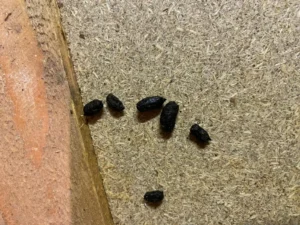
You might also hear scratching or chewing sounds at doors, especially at night when rats are most active. If you hear a rat working on a door, it means there’s probably a weak spot they’re trying to widen.
Gaps Under Doors: The Main Problem
The gap under a door is usually the weakest point. Even doors that are otherwise solid and well-fitted often have a space at the bottom for clearance over carpet or to prevent scraping on the floor.
Rats only need about half an inch of clearance to squeeze under a door. That’s roughly the thickness of your pinky finger, which doesn’t seem like much but is plenty of room for a rat.
To check if your door has a rat-sized gap, try the paper test. If you can easily slide a piece of paper under the closed door with room to spare, a rat can probably fit through.
You can also look for light coming under the door when the room on the other side is lit. If you can see a beam of light under the door, the gap is big enough for rats.
Door Frames and the Gaps Around Them
Even if your door fits well when it’s new, houses settle over time and door frames can shift. This creates gaps between the door and the frame that weren’t there originally.
These gaps are usually most noticeable at the top and sides of the door. While rats can’t climb up a smooth door to reach gaps at the top, they can definitely use gaps at the sides, especially near the bottom corners.

Weather stripping around door frames can deteriorate over time. When the seal breaks down, it creates spaces that rats can squeeze through or widen by chewing on the damaged material.
Check your door frames for cracks in the wood or places where the frame has separated from the wall. These openings might lead directly into your wall cavities, giving rats an alternate route around your door.
Hollow Core Doors vs Solid Doors
Hollow core doors are the standard in most modern homes for interior rooms. They’re lightweight and cheap, which is great for easy installation and keeping building costs down, but terrible for keeping rats out.
The thin outer shell of a hollow door can be as thin as an eighth of an inch. Rats can chew through this in a matter of hours, especially if they can smell food or sense shelter on the other side.
Solid core doors are made from solid wood, particle board, or a solid foam core. These are much more resistant to rat chewing, though they’re not completely chew-proof if the rat is determined enough.
If you’re having rat problems and they’re chewing through your interior doors, replacing hollow doors with solid ones in key areas (like between your garage and house, or for your pantry) can really help.
How Rats Use Walls to Bypass Doors
Once rats get into your walls, they can travel throughout your home without needing to go through doors at all. They’ll move up and down inside the wall cavities and come out wherever they find an opening.
Common exit points from walls include gaps around pipes under sinks, holes where cables come through walls, spaces behind baseboards, and air vents or ductwork openings.

This is why you might close off a room and still find rats in it. They’re not getting through the door, they’re coming through the walls or floor.
If you’re dealing with rats traveling through walls, sealing your doors won’t solve the problem. You need to find and seal the holes where rats are entering your walls from outside, and block their exit points inside your home.
Dealing With Rats That Are Chewing Your Doors
If you’ve found gnaw marks on your doors, the first step is to figure out why the rats are so interested in that particular door. Usually it’s because there’s something they want on the other side, like food in a pantry or warmth in a heated room.
Cover the damaged area with a metal plate or heavy metal mesh. Rats can’t chew through metal, so this protects the door from further damage while you work on getting rid of the rats.

You can buy metal kick plates at hardware stores, or cut pieces of sheet metal to size yourself. Attach them with screws so rats can’t pull them off.
But remember, covering the damage doesn’t solve your rat problem. You still need to trap or otherwise remove the rats, and seal the entry points they’re using to get into your home.
Installing Door Sweeps and Seals
The best way to prevent rats from squeezing under doors is to install door sweeps. These are strips of metal or plastic with a rubber seal that closes the gap when the door is shut.
For interior doors, a simple adhesive door sweep is usually enough. These stick to the bottom of the door and the seal touches the floor when the door is closed.
For exterior doors, you need a more heavy-duty sweep that can handle weather and constant use. Screw-on door sweeps are more secure and last longer than adhesive ones.
Make sure the sweep actually touches the floor or threshold with no gap. The seal should compress slightly when the door closes to create a tight barrier.
Weather Stripping for Door Frames
Installing weather stripping around the entire door frame creates a seal on all four sides of the door, not just the bottom. This prevents rats from squeezing through gaps at the sides and top.
Self-adhesive foam weather stripping is the easiest to install. Clean the door frame thoroughly, measure and cut the stripping to length, peel off the backing, and press it firmly into place.

V-strip weather stripping creates a better seal than foam and lasts longer. It’s a bit more work to install because you usually need to tack it in place with small nails.
For doors that get a lot of use or are exposed to weather, consider silicone or rubber bulb weather stripping. These are more durable than foam and maintain their seal better over time.
Special Situations: Basement and Garage Doors
Basement doors often have larger gaps because basements tend to be damper and doors can swell. They’re also often older and might not fit their frames as well as they used to.
Garage doors that lead into your house are critical entry points. These doors should be solid core, well-sealed, and kept closed at all times. Don’t use a doorstop or wedge to keep them propped open, even for a few minutes.
Bulkhead doors (the angled exterior doors that lead to a basement) are often poorly sealed and might not close tightly. Check these regularly and make sure they latch securely with no gaps.
If you have a door between an attached garage and your house, treat it like an exterior door in terms of sealing and protection. Garages often have rats because of the gaps under garage doors, and you don’t want them getting from the garage into your living space.
Can Rats Open Doors?
Rats can’t turn doorknobs or operate most door handles, but they can push open doors that aren’t latched properly. If a door is just resting closed without actually latching, a rat might be able to push it open.
Lever-style door handles are easier for rats to accidentally open than round knobs, though they’d need something to climb on to reach the handle. It’s unlikely but not impossible.

The real issue isn’t rats opening doors, it’s doors that don’t stay closed on their own. If your door slowly swings open or doesn’t latch firmly when you close it, that’s a problem.
Make sure all your doors close completely and latch securely. If a door won’t stay closed, adjust the strike plate or replace the latch mechanism.
What to Do If Rats Are Already Getting Through Doors
If rats are already moving between rooms in your home, you need to address the problem on multiple fronts. First, figure out how they’re getting in from outside and seal those entry points.

Set traps in areas where you’ve seen rat activity. Snap traps work well and are more reliable than poison for indoor use.
While you’re working on getting rid of the rats, seal any gaps under doors and repair any damage to doors that rats have chewed. This limits where rats can go in your home and makes it easier to control them.
Once you’re sure all the rats are gone (no signs of activity for at least a week), do a thorough inspection of all your doors and seal any remaining gaps or weak points.
Long-Term Prevention
Regular door maintenance is key to keeping rats out. Check your doors and weather stripping at least twice a year, in spring and fall.
Replace worn weather stripping before it fails completely. If you can see light through the seal when the door is closed, it’s time for new weather stripping.

Keep doors closed, especially exterior doors and doors to areas where you store food. An open door is an invitation for rats to explore.
If you’re replacing interior doors for any reason, consider upgrading to solid core doors in strategic locations. The extra cost is worth it if you live in an area with rat problems.
When to Call a Professional
If rats keep getting past your doors no matter what you do, there might be a bigger problem you’re not seeing. They could be traveling through walls, coming up from under the floor, or using an entry point you haven’t found yet.
A pest control professional can do a thorough inspection to find all the ways rats are getting into and moving through your home. They have tools and experience to spot problems you might miss.
If your doors are badly damaged by rat chewing, you might need a carpenter to repair or replace them. Don’t just cover the damage, get the door properly fixed so there are no weak spots left.
Conclusion
Rats can’t get through a properly closed, well-sealed solid door, but they can exploit gaps underneath, chew through hollow doors, or travel through walls to bypass doors completely. The key is making sure your doors don’t have any weaknesses that rats can use.
Installing door sweeps to seal gaps at the bottom, adding weather stripping around frames, and replacing hollow doors with solid ones in critical areas will all help keep rats from getting past your closed doors.
Remember that rats are persistent and resourceful. If they want to get somewhere badly enough, they’ll keep testing for weaknesses. Your job is to eliminate those weaknesses and give them no way through, under, or around your doors.

Hi, my name is Ezra Mushala, i have been interested animals all my life. I am the main author and editor here at snakeinformer.com.