
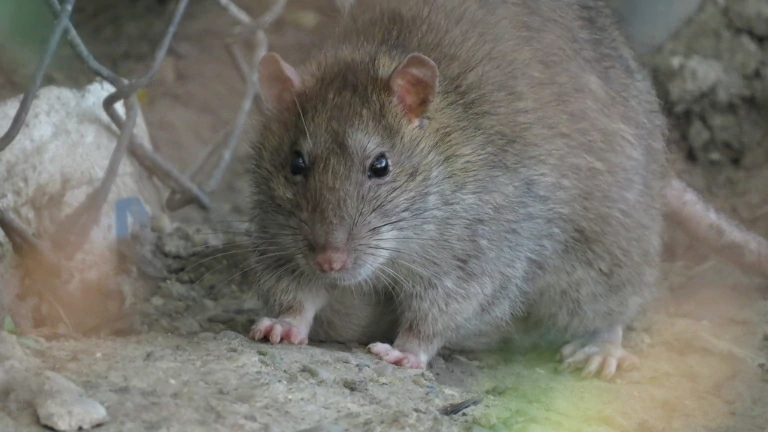
You finally got rid of the rats in your home. You’ve spent time and money setting traps, sealing holes, and cleaning up the mess they left behind.
Everything seems quiet now, and you’re hoping the problem is solved for good. But there’s one nagging question in the back of your mind. Do rats come back to the same house?
Yes, rats will come back to the same house if the conditions that attracted them in the first place are still there. Rats have excellent memory and will return to locations where they previously found food, water, and shelter. Simply removing the rats without fixing what attracted them guarantees they’ll be back.
Getting rid of rats is only half the battle. If you don’t change what made your house attractive to them, you’re just creating a revolving door for rats.
Why Rats Return to the Same Location
Rats aren’t wandering around randomly hoping to stumble into a good home. They’re smart, and they remember where they’ve found resources before.
Rats have really good spatial memory. Studies show that rats can remember routes, locations, and even specific features of an environment for months. If a rat has lived in your house before, it knows the layout and where the good stuff is.

They also communicate with other rats. When rats find a great food source or shelter, they leave scent trails that other rats can follow. Even if you get rid of the rats that were living in your house, their scent markers might still be there, advertising your home to new rats.
Rats are creatures of habit. Once they establish a territory and regular routes, they prefer to stick with what they know. A rat that lived in your house before will naturally try to return there if it gets displaced.
The real issue is this: rats came to your house for a reason. They found food, water, and shelter. If those things are still available, there’s no reason for rats not to come back, whether it’s the same rats or new ones.
How Long After Removal Will Rats Try to Return?
The timeline for rats coming back depends on several factors, but it can happen surprisingly quickly.
If you only removed some of the rats, the ones you missed can repopulate really fast. Rats breed incredibly quickly. A female rat can have up to 12 babies in a litter and can get pregnant again just hours after giving birth. Within weeks, you could have just as many rats as before.

If you removed all the rats but didn’t seal entry points, new rats can move in within days. Rats are always looking for new territories, and an empty house with food and shelter is prime real estate.
Rats that were temporarily displaced might try to return within a few days to a few weeks. If they were trapped and released somewhere else (which isn’t recommended), they can travel several miles to get back to familiar territory.
Seasonal patterns also matter. Rats are more likely to try to get into houses when the weather turns cold or during breeding season. Even if you cleared them out in summer, they might try to come back in fall or winter.
The key point is that “after removal” isn’t the end of your rat problem unless you’ve also removed the reasons they came in the first place.
What Attracts Rats to Your House in the First Place
Understanding what rats want helps you figure out what you need to change to keep them from coming back.
Food is the number one attractant. Rats need to eat every day, and they’re not picky. Pet food left out, crumbs on floors, food in unsealed containers, garbage that isn’t secured, bird seed that falls from feeders, fruit that drops from trees, and even grease on outdoor grills can all attract rats.

Water is just as important. Rats need water daily, and they’ll return to reliable water sources. Leaky pipes, dripping faucets, pet water bowls left outside, puddles that don’t drain, clogged gutters, and air conditioner condensation can all provide water for rats.
Shelter is the third necessity. Rats want safe places to nest and hide. Cluttered areas, piles of wood or debris, dense vegetation, spaces under decks or sheds, unsealed gaps in your foundation, and accessible attics or crawl spaces all make great rat homes.
If your property provides all three of these things, you’re basically running a rat resort. Getting rid of the current guests won’t keep new ones from checking in.
How to Actually Keep Rats from Coming Back
If you want to make sure rats don’t return, you need to make your property unattractive to them. This means removing what they need to survive.
Remove all food sources. Store pet food in sealed metal or heavy plastic containers. Don’t leave pet food bowls outside overnight. Keep human food in sealed containers too.
Clean up crumbs and spills immediately. Use garbage cans with tight-fitting lids. Clean your grill after every use. Pick up fallen fruit from trees. Use bird feeders with catchers for fallen seed, or stop feeding birds altogether.

Eliminate water sources. Fix all leaky pipes and faucets, both inside and outside. Don’t leave pet water bowls outside overnight. Make sure your gutters drain properly and don’t have standing water. Fix air conditioners that drip. Eliminate any puddles or low spots where water collects.
Get rid of shelter options. Declutter your yard and storage areas. Move firewood at least 20 feet from your house and stack it off the ground. Trim bushes and trees away from your house. Keep grass cut short. Remove piles of leaves, debris, or junk. Store items in your garage or shed on shelves, not on the floor.
Seal all entry points. This is critical. Inspect your entire house and seal any holes or gaps larger than 1/4 inch. Pay special attention to areas where pipes or wires enter your home. Install door sweeps on exterior doors. Seal gaps around windows. Cover vents with hardware cloth. Fill holes with steel wool and caulk, or use concrete for larger gaps.
Sealing Entry Points Is Not Optional
You can remove every food source and water source on your property, but if rats can still get into your house, they’ll find a reason to come inside.
Rats can squeeze through holes as small as a quarter (about 3/4 inch). They can also chew through many materials to make holes bigger. This means you need to inspect carefully and seal thoroughly.
Common entry points include gaps under doors, holes around pipes and wires, cracks in the foundation, damaged vents or vent covers, gaps in siding or trim, openings around windows, and holes in the roof or soffits.

Use the right materials for sealing. Steel wool combined with caulk works for smaller holes. Hardware cloth with 1/2 inch or smaller mesh is perfect for covering vents. Concrete or mortar is best for holes in foundations or brick. Sheet metal can cover larger areas or reinforce weak spots.
Don’t just seal obvious entry points. Rats are exploratory and will find any opening you miss. Do a thorough inspection of your entire house, including the roof and attic areas.
Check your seals periodically. Weather, settling, and normal wear can create new gaps over time. At least once a year, do another inspection to make sure your barriers are still solid.
Do Rats Remember Trap Locations?
If you caught rats in traps before, you might wonder if returning rats will remember where the traps were and avoid them.
The truth is, yes, rats can learn to avoid traps, but it’s complicated. Rats are cautious by nature and something called “neophobia” makes them suspicious of new objects in their environment.
If a rat sees other rats getting caught in a trap, it will definitely avoid that trap. Rats learn from watching other rats, and they remember dangerous situations.

However, if all the rats that knew about the traps are gone, new rats moving in won’t have that knowledge. They’re starting fresh and will have to learn about traps the hard way.
This is actually one reason why you need to do more than just trap rats. Relying only on traps means you’re in a constant cycle of catching rats, having new ones move in, catching those, and so on. It never ends unless you fix the underlying problems.
Rotating your trap locations and types can help. If rats are avoiding snap traps in one spot, try moving them or using a different type of trap.
What Happens If You Only Fix Some of the Problems
Some people make the mistake of only addressing part of what’s attracting rats, then wondering why rats keep coming back.
If you seal entry points but leave food sources available, rats will still hang around your property. They might not get inside your house, but they’ll live in your yard, shed, or garage. Eventually, they’ll find a way inside, or they’ll create other problems.

If you remove food but don’t seal entry points, rats might come inside looking for shelter, especially during cold weather or breeding season. Once inside, they’ll find food you didn’t know was accessible.
If you do everything outside but don’t deal with the inside of your home, rats that are already living in your walls or attic will continue to be a problem. They might even be breeding inside while you’re working on outdoor prevention.
The only effective approach is comprehensive. You need to remove attractants, seal entry points, eliminate existing rats, and maintain your prevention measures over time.
How to Tell If Rats Have Come Back
Even after you’ve done everything right, you should still watch for signs that rats might have returned.
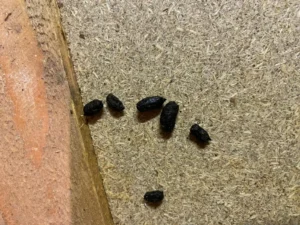
Fresh droppings are the most obvious sign. Rat droppings are dark, shiny, and soft when fresh. Old droppings are dry, gray, and crumbly. If you’re finding fresh droppings, you have active rats.
New gnaw marks on food packages, wood, wires, or other materials mean rats are actively present. Fresh gnaw marks look lighter in color because they expose the inner material.
Sounds in your walls, ceiling, or attic, especially at night, indicate rats are moving around. Scratching, scurrying, or squeaking sounds are all signs of rat activity.
Grease marks along walls or baseboards appear when rats repeatedly travel the same routes. Their oily fur leaves dark streaks on surfaces they brush against.
New holes or disturbed areas where you had previously sealed entry points suggest rats are trying to get back in. Check your repairs regularly for signs of tampering.
If you see any of these signs, act quickly. The sooner you address a returning rat problem, the easier it is to solve.
The Cost of Not Preventing Rats from Returning
Some people think that dealing with rats once is enough and don’t want to invest time or money in prevention. This is a mistake that costs more in the long run.
Property damage from rats is expensive. They chew through electrical wires, which can cause fires. They damage insulation, drywall, and wooden structures. They contaminate food and surfaces with their urine and droppings. One rat problem might cost hundreds to clean up. Multiple repeat problems can cost thousands.

Health risks are serious. Rats carry diseases like leptospirosis, hantavirus, and salmonella. They also bring in fleas, ticks, and mites. Every time rats return, you’re exposing your family to these health hazards.
The stress and discomfort of living with rats takes a toll. The sounds, smells, and knowledge that rats are in your home affects your quality of life. Some people can’t sleep well when they know rats are in their walls.
Your home’s value can decrease if you have an ongoing rat problem. If you try to sell a house with a rat infestation, you’ll either have to disclose it (losing buyers) or fix it before selling (costing money and time).
Prevention is always cheaper and easier than repeatedly dealing with infestations. The time and money you spend on doing it right the first time pays off.
Professional Help for Recurring Rat Problems
If rats keep coming back despite your best efforts, it might be time to call in professionals.
Pest control experts can do a thorough inspection and find entry points or attractants you missed. They have the experience to spot things homeowners often overlook.
They can identify the extent of the problem. If you have a serious infestation, professionals have the tools and methods to handle it more effectively than DIY solutions.
Professional rat-proofing is more comprehensive. They know all the tricks rats use to get into homes and can seal things properly the first time.
Many pest control companies offer guarantees. If rats come back within a certain time period after treatment, they’ll come back and fix the problem at no extra cost.
The cost of professional help is often worth it, especially if you’ve already spent time and money on DIY solutions that didn’t work. Getting it done right stops the cycle of rats returning.
Conclusion
Rats will definitely come back to the same house if the conditions that attracted them initially are still there. They have good memory, they communicate with other rats, and they’re always looking for reliable sources of food, water, and shelter.
Simply removing rats through traps or poison isn’t enough. You must remove food sources, eliminate water, seal entry points, and reduce shelter options. This comprehensive approach is the only way to break the cycle and keep rats from coming back.
If you do the work to make your property unattractive to rats, they’ll move on to easier targets. But if you only do half the job, expect rats to return, whether it’s the same rats or new ones filling the vacant territory.

Hi, my name is Ezra Mushala, i have been interested animals all my life. I am the main author and editor here at snakeinformer.com.