
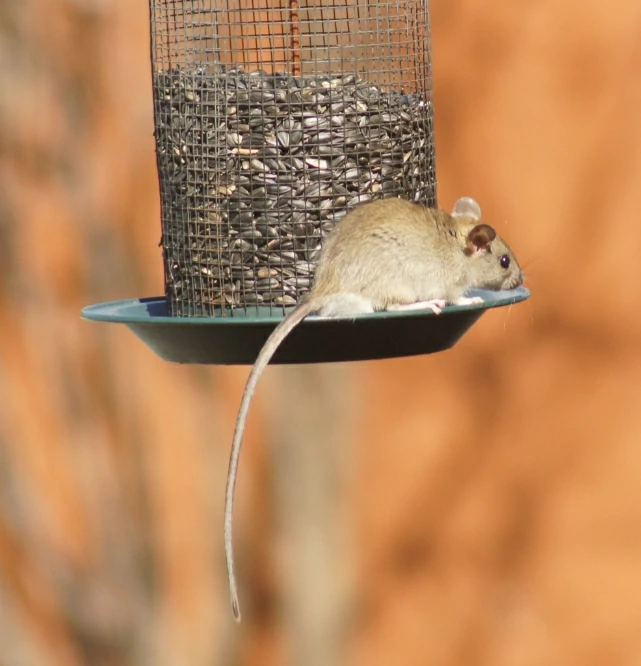
You’ve caught the mice in your house, cleaned up after them, and you’re finally enjoying a mouse-free home. But now you’re wondering if this peace will last. Mice are persistent little creatures, and you’ve heard stories from neighbors about mice coming back again and again. Do mice actually come back to the same house after you’ve gotten rid of them?
Yes, mice will come back to the same house if the conditions that attracted them are still there. Mice have excellent memory and will return to locations where they found food, water, and safe nesting spots. Simply catching or killing the mice without removing what attracted them means new mice will move in, or the same mice will return.
Getting mice out is the easy part. Keeping them out requires understanding why they came in the first place and fixing those problems.
Why Mice Keep Returning to the Same House
Mice aren’t randomly wandering into homes by accident. They’re looking for specific things, and once they find them, they remember.
Mice have really impressive spatial memory. Research shows that mice can remember locations, routes, and food sources for long periods. If mice lived in your house before, they know where the food was, where the safe hiding spots were, and how to get around.
They also leave scent trails that other mice can follow. Mice use urine to mark their territories and pathways. Even after you’ve removed the mice, these scent markers can stick around and tell new mice “this is a good place to be.”
Mice breed incredibly fast. A single female mouse can have 5 to 10 litters per year, with each litter containing 5 to 6 babies. If you didn’t get all the mice, the ones you missed can rebuild the population in just a few weeks.
The bottom line is this: mice came to your house because it offered food, water, and shelter. If you only removed the mice but didn’t remove these attractions, you’ll have mice again very soon.
How Quickly Mice Can Return After Removal
The timeline for mice coming back can be surprisingly short, depending on how you handled the problem.
If you only caught some of the mice, the remaining ones will continue living in your house and breeding. You might think you solved the problem because you’re not seeing mice for a few days, but they’re still there, just being more careful.
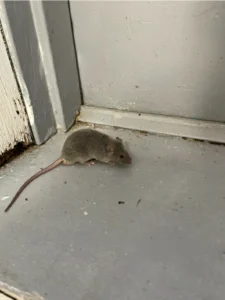
If you got rid of all the mice but didn’t seal entry points, new mice can move in within days. Mice are always exploring and looking for new places to live. An empty house with food and shelter available won’t stay empty for long.
Mice that were released outside (if you used live traps) might try to return immediately. Mice have a strong homing instinct and can find their way back from up to a mile away. This is why most experts don’t recommend releasing mice outside, you’re just putting them back where they started.
During certain times of year, mice are more aggressive about getting into houses. In fall when the weather turns cold, you’ll see a spike in mice trying to get indoors. Even if you cleared them out in summer, they’ll be back in fall unless you’ve sealed things up.
What Attracts Mice to Your House
To keep mice from coming back, you need to understand what made your house attractive in the first place.
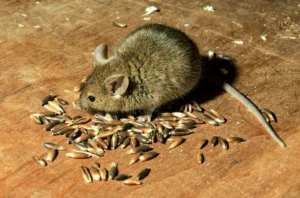
Food is the biggest draw. Mice don’t need much food, just about 3 to 4 grams per day (less than a teaspoon). But they eat many small meals throughout the day. Food sources include crumbs on floors or counters, unsealed food in pantries, pet food left in bowls, food residue in trash cans, and even tiny bits of food that fall behind appliances.
Water is necessary for mice too. They need about 3 to 4 milliliters of water per day, which is just a few drops. They can get this from leaky pipes, dripping faucets, condensation on pipes, pet water bowls, or even moisture in food.
Shelter is what makes your house better than living outside. Mice love cluttered areas where they can hide and build nests. This includes spaces behind appliances, inside wall voids, in attics or basements, under sinks, in storage boxes, and anywhere that’s warm and undisturbed.
Entry points are how mice get inside. Mice can squeeze through holes as small as a dime (about 1/4 inch). Common entry points include gaps under doors, holes where pipes or wires enter, cracks in foundations, gaps in siding, and openings around windows.
How to Stop Mice from Coming Back
Preventing mice from returning requires a multi-step approach that addresses all the reasons they came in the first place.
Remove food sources completely. Store all food in thick plastic, glass, or metal containers with tight lids. Don’t leave pet food out overnight. Clean up crumbs and spills immediately after meals. Take out trash daily and use bins with locking lids. Vacuum regularly, especially in corners and under appliances. Clean behind and under your fridge and stove where crumbs accumulate.
Eliminate water sources. Fix all leaky pipes and faucets. Wipe down sinks after use. Don’t leave standing water in dishes or pet bowls overnight. Fix condensation problems on pipes by adding insulation. Make sure your basement or crawl space doesn’t have moisture issues.
Seal entry points thoroughly. This is the most important step. Inspect your entire house and seal any opening larger than 1/4 inch. Use steel wool and caulk for small holes. Use hardware cloth for vents. Use mortar or concrete for foundation cracks. Install door sweeps on exterior doors. Add weatherstripping around windows. Pay special attention to where utilities enter your home.
Reduce nesting materials and hiding spots. Declutter your storage areas. Keep items in sealed plastic bins rather than cardboard boxes. Don’t store things directly on the floor. Remove piles of paper, fabric, or other soft materials mice could use for nests.
The Importance of Sealing Entry Points
You can remove every crumb of food and every drop of water, but if mice can still get inside, they’ll find something to eat. Sealing entry points is absolutely critical.
Mice can squeeze through openings as small as 1/4 inch. That’s about the diameter of a dime or the width of a pencil. If you can slide a pencil through a gap, a mouse can fit through it.
Common entry points people miss include gaps under garage doors, spaces where dryer vents exit, holes where cables or pipes enter, cracks in the foundation, gaps in window frames, spaces around air conditioning units, and openings where the roof meets the walls.
The best materials for sealing mouse entry points are steel wool combined with caulk (mice can’t chew through steel wool), hardware cloth with 1/4 inch mesh, concrete or mortar for foundation cracks, copper mesh for areas around pipes, and sheet metal for larger areas.
Don’t use materials mice can chew through by themselves. This includes wood, plastic, rubber, regular caulk alone, or expanding foam alone. These materials might seem to seal the hole, but mice will just chew through them.
Do a thorough inspection at least twice a year, especially before fall when mice start looking for winter shelter. Even small gaps that develop over time can become entry points.
Do Mice Learn to Avoid Traps?
If you’ve caught mice in traps before, you might worry that returning mice will remember the traps and avoid them.
Mice are naturally cautious (this is called neophobia) and tend to be suspicious of new objects in their environment. If a mouse sees another mouse get caught in a trap, it will avoid that trap.
However, if you removed all the mice, new mice moving in won’t know about your previous traps. They’re starting with a clean slate and will have to learn about traps on their own.

This is why traps alone aren’t a long-term solution. You might catch the current mice, but new ones will move in if the conditions are right. You end up in an endless cycle of trapping mice without ever solving the real problem.
If you do need to use traps again, rotate the locations and types. Mice might avoid snap traps but walk right into live traps, or vice versa. Changing things up makes them less predictable.
Also, bait matters. Fresh bait works better than old bait. Try peanut butter, chocolate, or small pieces of bacon. Mice have a strong sense of smell and are attracted to foods with strong odors.
Signs That Mice Have Returned
You need to know what to look for so you can catch a returning mouse problem early, before it gets out of hand.
Droppings are the most obvious sign. Mouse droppings are small (about 1/4 inch long), dark, and shaped like rice grains with pointed ends. Fresh droppings are soft and shiny. Old droppings are hard and gray. If you’re finding fresh droppings, you have active mice.
Gnaw marks on food packages, cardboard, wood, or wires mean mice are present. Fresh gnaw marks look lighter in color. Mice need to constantly chew to keep their teeth from growing too long.
Scratching or scurrying sounds, especially at night, indicate mouse activity. Mice are most active at night, so listen carefully when the house is quiet. You might hear them in walls, ceilings, or under floors.
Grease marks or rub marks along walls show mouse travel routes. Mice tend to run along walls rather than across open spaces, and their oily fur leaves smudges.
Nesting materials like shredded paper, fabric, or insulation in hidden spots mean mice are actively building nests. Check behind appliances, in drawers you rarely use, or in storage areas.
A musky, stale odor in certain areas, especially enclosed spaces, can indicate mouse urine. The smell gets stronger as the infestation grows.
If you see any of these signs, act immediately. The longer you wait, the worse the problem gets.
Seasonal Patterns of Mouse Invasions
Understanding when mice are most likely to try to get into your house helps you prepare and prevent problems.
Fall is the peak season for mouse invasions. As temperatures drop and food becomes scarce outside, mice actively seek indoor shelter. This typically happens from September through November, depending on your location.
Winter keeps mice indoors once they’ve found a way in. They’re less likely to venture outside in cold weather, so if they get in during fall, they’ll probably stay until spring.

Spring sees some mice leaving to live outdoors again, but pregnant females often stay inside to have their babies. This means you might still have mice even though you’d expect them to leave.
Summer is when mice are least likely to invade homes because they can find food and shelter easily outdoors. But mice that are already inside usually stay there year-round.
The key is to do your mouse-proofing before fall. If you seal entry points in late summer or early fall, before mice start looking for winter homes, you’ll prevent most problems.
What Happens If You Only Partially Fix the Problem
Some people make the mistake of only addressing part of the mouse problem, then they’re surprised when mice come back.
If you seal most entry points but miss one or two, mice will find those openings. It only takes one hole the size of a dime to let in an entire mouse family.
If you remove food sources but don’t seal entry points, mice might still come inside for shelter. They’ll just find food sources you didn’t think about, like crumbs in cracks or residue in your trash can.
If you seal entry points but leave food easily accessible, you might not have mice inside, but they’ll live right outside your house. Eventually, they’ll find a way in, especially if the weather turns bad.
If you catch the mice you can see but don’t address the ones hiding in walls or ceilings, the problem continues. Those hidden mice will breed and spread, and you’ll be back where you started in a few weeks.
The only approach that works long-term is comprehensive. You must remove attractants, seal entries, eliminate existing mice, and maintain your prevention efforts over time.
Professional Help for Recurring Mouse Problems
If you’ve tried everything and mice keep coming back, professional pest control might be worth considering.
Professionals can do a complete inspection and find entry points you missed. They’re trained to spot the tiny gaps and holes that homeowners often overlook.
They have access to commercial-grade materials and tools. Professional sealants and barriers often last longer and work better than DIY solutions.
Many pest control companies offer guarantees. If mice return within a certain period after treatment, they’ll come back and fix it at no additional cost.
They can identify the full extent of the problem. If you have mice in your walls or other hard-to-reach areas, professionals have the equipment to deal with it.
The cost of professional service might seem high at first, but if you’ve already spent months fighting mice on your own, it can actually save you time, money, and frustration in the long run.
Conclusion
Mice will definitely come back to the same house if the conditions that attracted them are still there. They have excellent memory, leave scent trails for other mice, and breed incredibly fast.
Simply catching or poisoning mice isn’t a solution. You must remove food sources, eliminate water, seal every entry point, and reduce nesting opportunities. This comprehensive approach is the only way to break the cycle of mice returning.
If you do the work to make your house unattractive and inaccessible to mice, they’ll move on to easier targets. But if you only do part of the job, you’ll be fighting the same battle over and over again.

Hi, my name is Ezra Mushala, i have been interested animals all my life. I am the main author and editor here at snakeinformer.com.