
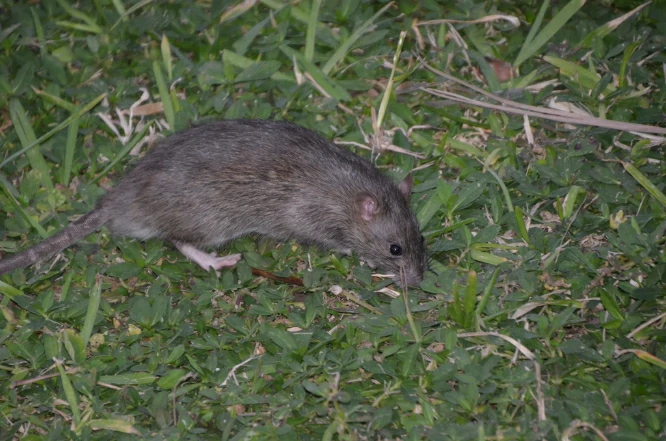
Sump pumps are really important for keeping your basement dry, but they can also create an entry point you might not think about. These pumps sit in pits that connect to drainage systems, and those connections can sometimes lead right back to the outside world where rats are looking for ways into your home.
If you’ve noticed signs of rats in your basement and you have a sump pump, you might be wondering: can rats actually come through a sump pump?
Yes, rats can come through sump pumps. They can enter through the discharge pipe, crawl down into the sump pit, and then make their way into your basement. Rats are excellent swimmers and can hold their breath for up to three minutes, so water in the sump pit won’t stop them.
Rats are always looking for warm places to nest, especially when it gets cold outside. Your basement looks pretty good to them, and if your sump pump system has any openings or gaps, they’ll find a way to use it as their personal entrance.
How Rats Actually Get Into Sump Pumps
The most common way rats get into your home through a sump pump is by climbing into the discharge pipe from outside. This pipe carries water away from your house, and it usually has an opening somewhere in your yard.
Rats can squeeze through openings as small as a quarter. If your discharge pipe doesn’t have a proper cover or if the cover is damaged, a rat can easily get inside.
Once they’re in the discharge pipe, they just follow it back to your sump pit. From there, they can climb out into your basement through any gaps around the sump pump lid or through openings in the pit itself.
The sump pit is basically a hole in your basement floor that collects water. Most sump pits aren’t completely sealed, and that’s actually by design so water can get in. But what lets water in can also let rats in.
Rats Are Really Good Swimmers
A lot of people think water in the sump pit will keep rats out, but that’s not true at all. Rats are actually amazing swimmers and can tread water for up to three days if they have to.
They can hold their breath underwater for about three minutes. So if your sump pit has water in it, a rat can just swim through it or dive under to get where it wants to go.

Rats have been known to swim up through toilet pipes and sewer lines. A sump pump is actually easier for them to handle than those routes because the water level is usually lower and the path is more direct.
Even if your sump pump is running and actively pumping water, a determined rat can still make its way through. They’re really persistent when they find a potential entry point.
Signs Rats Are Coming Through Your Sump Pump
If rats are using your sump pump as an entry point, you’ll probably notice some signs pretty quickly. The most obvious one is droppings near the sump pit or around your basement.
Rat droppings look like dark, pellet-shaped pieces about half an inch long. Fresh droppings are soft and dark, while older ones are dry and gray.

You might also hear scratching or scurrying sounds coming from the area around your sump pump, especially at night when rats are most active. If you hear splashing sounds coming from the sump pit, that’s a really clear sign a rat might be in there.https://snakeinformer.com/do-dead-rats-attract-more-rats/
Look for gnaw marks around the sump pump lid or on any pipes nearby. Rats have to constantly chew to keep their teeth from growing too long, so they’ll chew on just about anything.
You might also notice a strong, musky smell near the sump pump. Rats have a distinctive odor, and if several rats are using the same path, that smell can get pretty strong.
What Makes Your Sump Pump Attractive to Rats
Rats aren’t randomly choosing sump pumps to invade. There are specific things about these systems that make them appealing entry points.
First, sump pumps connect to the outside through discharge pipes. This gives rats a direct path from the outdoors to your basement without having to chew through walls or foundations.

Second, many sump pump installations have gaps or openings that aren’t properly sealed. The area where pipes enter the pit, gaps around the lid, or cracks in the pit walls all create entry points.
Third, basements are exactly what rats are looking for when it gets cold outside. They’re warm, usually quiet, and often have access to food sources like stored pet food or pantry items.
The moisture around a sump pump can also attract rats because they need water to survive. If your basement has any food sources at all, it becomes even more attractive.
How to Keep Rats Out of Your Sump Pump
The good news is you can take steps to block rats from using your sump pump as an entry point. The most important thing is to secure the discharge pipe where it exits your house.
Install a one-way check valve on your discharge pipe. This valve lets water flow out but prevents anything from coming back in. Make sure it’s a rat-proof model that doesn’t have gaps rats can squeeze through.
Cover the end of your discharge pipe with a sturdy grate or mesh screen. Use metal mesh with holes no bigger than a quarter inch. Plastic mesh won’t work because rats can easily chew through it.
Check your sump pit lid and make sure it fits tightly with no gaps. If your current lid has openings, replace it with a sealed lid that only has small holes for pipes and wiring.
Seal any gaps where pipes enter the sump pit with steel wool and caulk. Rats can’t chew through steel wool, and the caulk holds it in place and fills the remaining space.
Inspect Your Entire Sump Pump System
You need to do a complete inspection of your sump pump system to find all the possible entry points. Start by looking at the discharge pipe from where it exits your house all the way to where it ends in your yard.
Check for cracks, holes, or loose connections anywhere along the pipe. Even a small crack can be an entry point if a rat is motivated enough.

Look at the area where the discharge pipe exits your foundation. This is a common weak spot where gaps can form over time as the ground settles or as the pipe shifts.
Examine the sump pit itself for any cracks in the walls or floor. Rats can squeeze through surprisingly small cracks, and they can also make small cracks bigger by chewing on them.
Check all the pipes and wires that run into your sump pit. The areas where these penetrate the pit walls are often not sealed properly, leaving gaps that rats can use.
Seal Everything Properly
Once you’ve found the weak spots in your sump pump system, you need to seal them correctly. Just using regular caulk won’t work because rats can chew through it easily.
For larger gaps, stuff them with copper mesh or steel wool first, then cover with cement or a strong sealant. The metal mesh stops rats from chewing through, and the cement or sealant holds everything in place.

For smaller gaps around pipes, use expanding foam that’s specifically rated as rodent-proof. Regular expanding foam doesn’t work because rats can chew right through it. The rodent-proof versions have additives that rats won’t chew.
Make sure your sump pit lid is sealed properly. Some people use weights or clamps to hold the lid down tight. You can also use weatherstripping around the edge to fill any small gaps.
Don’t forget about the area where your discharge pipe connects to the sump pump. This connection needs to be tight with no gaps at all.
What About the Water in the Sump Pit
Some people think keeping water in the sump pit will deter rats, but this actually doesn’t work. As we talked about earlier, rats are excellent swimmers and won’t be stopped by water.
In fact, standing water in your sump pit can actually attract rats because it gives them a water source. If they’ve already found a way into your basement, that water makes your home even more appealing.
The best approach is to focus on sealing entry points rather than relying on water as a deterrent. Make sure your sump pump is working correctly so water doesn’t build up unnecessarily, but don’t count on water to keep rats out.
If your sump pump runs frequently and keeps the pit mostly empty, that’s actually fine. The lack of water won’t make it easier for rats to enter if you’ve properly sealed all the entry points.
Check Your Discharge Pipe Outside
The outdoor part of your discharge pipe is just as important as the indoor parts. Walk outside and find where your discharge pipe ends, usually somewhere in your yard.
Look at the end of the pipe carefully. Is it just an open pipe sitting on the ground? If so, that’s an easy entry point for rats. They can walk right in and follow the pipe back to your house.
The ground around the discharge pipe can also be a problem. If the pipe sits in a low area where water pools, rats might be attracted to that water source and then discover the pipe.
Make sure the end of the discharge pipe is elevated off the ground if possible. This makes it harder for rats to access, though you still need to cover it with a grate or screen.
Some discharge pipes have pop-up emitters that only open when water is flowing through them. These can help keep rats out, but check them regularly to make sure they’re working correctly and not stuck open.
Regular Maintenance Is Really Important
Once you’ve sealed everything up, you can’t just forget about it. Regular maintenance is key to keeping rats out of your sump pump system long-term.
Check your sump pump and pit at least once a month. Look for any new gaps, cracks, or damage. Rats will keep trying to find ways in, so you need to stay on top of any new weak spots.
Test your check valve regularly to make sure it’s working correctly. These valves can get stuck or damaged over time, and a broken check valve is like leaving the door open for rats.
Clean out your sump pit a few times a year. Remove any debris, and check the walls and floor for damage. A clean pit also makes it easier to spot signs of rats if they do get in.
Inspect the outdoor part of your discharge pipe after storms or heavy rains. These weather events can shift pipes, damage covers, or create new gaps that rats can use.
What to Do If You Find Rats in Your Sump Pit
If you actually find a rat in your sump pit, you need to act quickly but carefully. Don’t try to grab the rat or reach into the pit with your bare hands. Rats can bite, and their bites can carry diseases.
Your best bet is to call a pest control professional who has experience dealing with rats. They have the right tools and knowledge to remove the rat safely and find out how it got in.
If you want to handle it yourself, you can try using a humane trap placed near the sump pit. Bait it with peanut butter or bacon, and check it frequently. Once you catch the rat, release it far away from your home (check your local laws about this first).
After you remove the rat, you absolutely have to find and seal the entry point. If you don’t, more rats will just keep coming in the same way.
Clean and disinfect the area thoroughly. Rats can carry diseases and parasites, so you want to make sure everything is sanitized. Use a bleach solution and wear gloves and a mask while cleaning.
Consider Professional Help
If you’re dealing with multiple rats or can’t figure out how they’re getting in, it might be time to call in professionals. Pest control experts can do a thorough inspection and find entry points you might have missed.
They also have access to better sealing materials and professional-grade equipment that works better than DIY solutions. This can save you time and money in the long run.
A professional can also set up monitoring systems to make sure rats aren’t coming back. They might use motion-activated cameras or tracking powder to see if rats are still active in the area.
Some pest control companies offer ongoing maintenance plans where they come back regularly to check your property and make sure everything is still sealed up properly. This can be worth it if you’ve had serious rat problems in the past.
Don’t Ignore Other Entry Points
While you’re focusing on your sump pump, don’t forget that rats might be using other ways to get into your basement too. Check your entire foundation for cracks, gaps around utility lines, and damaged vents.
Look at your basement windows and make sure they’re properly sealed. Window wells can be another entry point if they don’t have covers or if the covers are damaged.
Check where pipes and cables enter your house. The areas around water lines, gas lines, and electrical conduits often have gaps that rats can squeeze through.
Make sure your basement door has a tight seal at the bottom. Even a small gap under a door can be enough for a rat to get through.
Conclusion
Rats can definitely come through sump pumps, and they’re actually pretty good at using these systems as entry points into your home. The discharge pipe, gaps around the sump pit, and openings in the lid all create opportunities for rats to get inside.
The key to keeping them out is sealing every possible entry point and maintaining those seals over time. Install check valves, cover discharge pipes with metal mesh, seal gaps with steel wool and cement, and make sure your sump pit lid fits tightly.
Don’t rely on water in the sump pit to keep rats out because they’re excellent swimmers. Instead, focus on physical barriers that actually stop them from getting through.
Regular inspections and maintenance are really important. Check your sump pump system at least monthly and fix any problems right away before rats find them. If you’re dealing with an active rat problem, consider calling pest control professionals who can help you solve it completely.
Remember that your sump pump is just one possible entry point. While you’re sealing it up, take the time to check your entire basement for other gaps and weak spots that rats might use to get inside.

Hi, my name is Ezra Mushala, i have been interested animals all my life. I am the main author and editor here at snakeinformer.com.