

Most people think rats are ground-dwelling creatures that enter homes through basements or low openings. But if you’ve heard scratching sounds in your attic or found signs of rats on upper floors, you might be realizing that rats can actually come from above. Can rats enter through the roof?
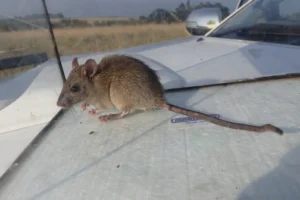
Yes, rats can enter through the roof. They’re excellent climbers and can reach your roof using trees, pipes, wires, or by climbing up the outside walls of your house. Once on the roof, they’ll find or create openings to get into your attic.
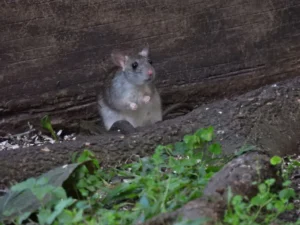
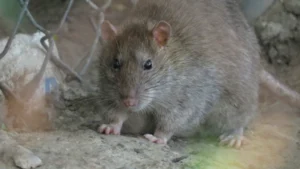
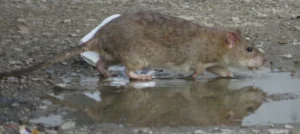
Roof rats (also called black rats) especially prefer high places and are naturally drawn to roofs and attics. But even Norway rats (the more common brown rats) can and will climb to your roof if they find a way up and smell food or shelter inside.
How Rats Reach Your Roof
Getting onto your roof isn’t as hard for rats as you might think. They have several different routes they can take to reach high places.
Trees are the most common pathway. If you have trees with branches that reach or hang over your roof, rats will climb the tree and either walk along branches to get onto your roof, or jump from nearby branches. Rats can jump several feet horizontally, so even branches that don’t touch your roof can be used if they’re close enough.

Rats can also climb straight up the outside of your house. Rough surfaces like brick, stucco, and wood siding give them plenty of grip. Even some smooth surfaces can be climbed if there are small irregularities or textures they can grip with their claws.
Utility lines are like highways for rats. Power lines, telephone cables, and internet lines often run from utility poles to houses. Rats can climb up the pole and walk along these lines right to your house. Once they reach where the line connects to your house, they’re on or near your roof.
Downspouts and gutters provide another climbing route. Rats can climb up the outside of downspouts, especially if the brackets give them footholds. Once they reach the gutter, they can travel along it to access different parts of your roof.
Vines and climbing plants on the outside of your house are perfect for rats. Ivy, climbing roses, or any vine creates a living ladder that rats can use to reach any height.
If you have other structures near your house (like a shed, garage, or fence), rats might climb those first and then jump or climb onto your roof from there.
Common Roof Entry Points for Rats
Once rats are on your roof, they need to find a way inside. Roofs have several vulnerable spots that rats commonly use as entry points.
Roof vents are designed to let air flow in and out of your attic, but they can also let rats in if they’re not properly screened or if the screen is damaged. Rats can chew through plastic vent covers and standard aluminum screening.
Gaps in soffits (the underside of your roof overhang) are common entry points. The soffit needs to connect to the wall, and sometimes there are gaps at this junction point. Rats can also chew through thin soffit material if it’s wood or vinyl.
Fascia boards (the vertical boards at the edge of your roof) can have gaps where they meet the roof or where sections connect. If the wood is rotting or damaged, rats can chew through it more easily.
Damaged or missing roof shingles create openings. If shingles are loose, curled, or have blown off entirely, the roof deck underneath might have gaps that rats can squeeze through.
Chimneys without caps are basically open invitations for rats. They can climb down the chimney and get into your fireplace or find gaps to access your attic from inside the chimney.
Ridge vents run along the peak of many roofs to provide attic ventilation. If the screening inside these vents is damaged or if there are gaps at the ends, rats can get in.
Gable vents at the ends of your attic can be entry points if the screening is missing or damaged, or if the vent itself doesn’t fit tightly in its opening.
Where different roof sections meet (valleys, dormers, additions), there can be gaps in the flashing or areas where the construction creates small openings that rats can exploit.
Signs That Rats Are Entering Through Your Roof
If rats are using your roof to get inside, there are several signs you’ll notice.
The most obvious sign is noise in your attic, especially at night. You’ll hear scratching, scurrying, or thumping sounds as rats move around. Roof rats are particularly active at night.
If you go into your attic, you’ll find rat droppings. These are dark brown or black pellets, about half an inch long. Fresh droppings are shiny and dark, while old ones turn gray and crumbly.
Look for greasy rub marks along beams and rafters in your attic. Rats travel along the same routes repeatedly, and their oily fur leaves behind dark streaks on wood and other surfaces.
Check for gnaw marks on wood in your attic. Rats will chew on rafters, beams, and roof decking. Fresh gnaw marks are light colored, exposing fresh wood underneath.
You might notice damage to insulation. Rats will burrow into insulation to create nests, and they’ll also push it aside to create travel paths.
If you inspect your roof from outside, look for disturbed or damaged areas around vents, soffits, and other potential entry points. You might see gnaw marks, displaced materials, or actual holes.
Some people notice a musky, ammonia-like smell in their attic or in rooms on the top floor. This comes from rat urine and can be pretty strong if there are many rats or they’ve been there a while.
Why Rats Prefer Roofs and Attics
Rats don’t randomly end up on roofs. There are specific reasons why they’re drawn to these high places.
Roof rats especially are adapted to living in elevated areas. In their natural habitat, they’d live in trees, so roofs and attics feel like a natural environment to them.

Attics provide excellent shelter. They’re protected from weather, away from ground predators like cats and dogs, and usually undisturbed by humans. It’s a perfect place for rats to nest and raise babies.
Attics are often warmer than outside, especially in winter. Heat rises from the living spaces below, making the attic a cozy place for rats during cold months.
Attics are dark and quiet, which rats prefer. They’re nocturnal animals that like hidden, secure areas where they can sleep during the day without being bothered.
Insulation in attics makes great nesting material. Rats will shred it and use it to build warm, comfortable nests for their young.
From an attic, rats have access to your entire house. They can travel through walls and find their way down to where the food is. The attic becomes their home base while they make raids to your kitchen.
The Problems Rats in Your Roof Cause
Having rats enter through your roof and live in your attic creates serious problems.
The fire hazard is one of the biggest concerns. Rats chew on electrical wiring to keep their teeth from growing too long. When they strip the insulation off wires, it creates a fire risk. Attic fires can spread quickly through the dry wood and insulation.

Rats will damage your insulation by compressing it, urinating on it, and using it for nesting. This reduces its effectiveness, which means higher heating and cooling costs. Contaminated insulation also needs to be replaced, which is expensive.
The structural damage can be significant. Rats chew on wood beams, rafters, and roof decking. Over time, this can actually weaken your roof structure.
Rats will damage stored items in your attic. Boxes, books, clothing, holiday decorations, anything stored up there can be chewed up or contaminated with urine and droppings.
The health risks are serious. Rat droppings and urine in your attic can contain diseases. As the waste dries and becomes dust, it can be pulled into your HVAC system (if you have ducts in your attic) and spread throughout your house.
Once rats establish a colony in your attic, they breed quickly. A female rat can have 5 to 10 litters per year with up to 12 babies each time. What starts as one or two rats can become dozens in just a few months.
The smell can become overwhelming. Between urine, droppings, and potentially dead rats (if some die in your walls or insulation), the odor can seep into your living spaces below.
How to Prevent Rats from Reaching Your Roof
The best strategy is to make it impossible or very difficult for rats to get onto your roof in the first place.
Trim all tree branches so they’re at least 6 to 8 feet away from your roof and house. This eliminates the most common pathway rats use. Remember that rats can jump a few feet, so branches need to be well clear of your roof.

Remove any vines growing on your house. While they might look nice, they’re perfect climbing routes for rats. Cut them down at ground level and remove as much as you can.
Install sheet metal guards on trees that are close to your house. Wrap a smooth metal band around the trunk at least 6 feet up from the ground. This prevents rats from climbing the tree in the first place.
Add smooth metal collars to downspouts near ground level. These prevent rats from climbing up the downspouts to reach your roof.
Trim back any bushes or shrubs that are growing against your house. These can provide stepping stones for rats to reach higher areas.
If utility lines run from poles to your house, ask your utility company about installing guards on the lines. Some companies will do this, especially if you’re having rodent problems.
Remove any outdoor clutter that rats could use as stepping stones, like stacked wood, storage boxes, or equipment placed against your house.
Securing Your Roof Against Rat Entry
Even if rats do make it onto your roof, you can prevent them from getting inside by securing all potential entry points.
Install a chimney cap if you don’t have one. Choose one with mesh screening that’s small enough to keep rats out (quarter-inch mesh or smaller).
Cover all roof vents with heavy-duty screening. Replace standard screening with hardware cloth (metal screening with small holes). Make sure the screening is secured well so rats can’t push it aside or chew through the fasteners.
Inspect and repair your soffits. Look for gaps, holes, or damage. Replace damaged sections and seal any gaps where the soffit meets the wall.
Check your fascia boards for rot or damage. Replace any damaged sections. Fill gaps with steel wool first, then seal with expanding foam or caulk.
Replace any missing or damaged shingles. Even small openings in your roof can let rats in.
Make sure ridge vents have intact screening inside. Check the ends of ridge vents to make sure there are no gaps where they terminate.
Repair or replace damaged gable vents. Make sure they fit tightly and have intact screening.
Check all flashing around chimneys, skylights, and where different roof sections meet. Replace damaged flashing and seal any gaps with appropriate roofing materials.
Use metal materials whenever possible instead of plastic or wood, since rats can’t chew through metal. This includes vent covers, screening, and repair materials.
What to Do If Rats Are Already in Your Attic
If rats have already gotten through your roof and are living in your attic, you need to remove them before sealing entry points.
Don’t seal up entry points while rats are still inside. They’ll be trapped in your attic or walls and will either die there or chew new holes trying to get out.
Start by setting up traps in your attic. Snap traps work well when placed along walls and in corners where you’ve seen signs of rat activity. Use peanut butter or bacon as bait.
You can also use one-way exclusion doors. These devices let rats leave but prevent them from getting back in. Install them at the entry points you’ve identified, but only after you’re sure there aren’t baby rats in the attic (babies can’t leave on their own and will die if the adults can’t get back to them).
Check traps daily and remove dead rats promptly. Seal them in plastic bags before disposing of them.
Once you’re confident all rats are gone (no signs of activity for at least a week, all traps empty), then seal all entry points using the methods described earlier.
After the rats are gone, you need to clean your attic. Remove all contaminated insulation (any that has droppings, urine stains, or has been nested in). Wear protective gear including gloves, a mask, and clothing that covers your skin.
Disinfect all hard surfaces in the attic with a bleach solution (one part bleach to nine parts water). This kills bacteria and viruses left behind by the rats.
Replace insulation that was removed. Make sure your attic is properly insulated after cleanup.
Conclusion
Rats can definitely enter through the roof, and for roof rats especially, this is their preferred entry method. They reach your roof by climbing trees, pipes, wires, or even straight up the outside of your house. Once there, they find gaps in vents, soffits, damaged shingles, or other openings to get into your attic.
The best defense is prevention. Keep trees trimmed away from your roof, secure all potential entry points with proper screening and materials, and maintain your roof in good condition. Regular inspections help you catch and fix vulnerabilities before rats find them.
If rats are already in your attic, remove them with traps or exclusion devices before sealing entry points. Then clean and repair the damage they’ve caused. With proper prevention and maintenance, you can keep your roof and attic rat-free.

Hi, my name is Ezra Mushala, i have been interested animals all my life. I am the main author and editor here at snakeinformer.com.