

When you think about how rats might get into your home, you probably think about holes in the foundation or gaps under doors. But what about your windows? They’re higher up and seem like they’d be harder for rats to reach. However, if you’ve noticed signs of rats in upper floors or near windows, you might be wondering if they’re using windows to get inside. Can rats enter through windows?
Yes, rats can enter through windows. They can climb up the outside of your house to reach windows, and they’ll get in through gaps around window frames, broken screens, or windows that are left open.
Rats are excellent climbers and surprisingly resourceful when it comes to finding ways into your home. Windows that seem secure to you might actually have vulnerabilities that rats can take advantage of.
How Rats Reach Windows
You might think windows are safe from rats because they’re off the ground, but rats have several ways to reach even second-story windows.
Rats are really good climbers. They can climb up rough surfaces like brick, stucco, wood siding, and even some types of smooth siding if there are small irregularities they can grip. Their claws are sharp and strong, letting them cling to surfaces as they climb.

If you have pipes, wires, or cables running up the outside of your house, these are like highways for rats. They’ll climb up these and use them to access different levels of your home, including windows.
Trees and bushes near your house give rats easy access to upper floors. A rat can climb a tree, walk along a branch, and jump or climb onto your roof or directly to a window. Even branches that don’t touch your house but come close (within a few feet) can be used by rats.
Vines growing on your house are another access route. Ivy, climbing roses, or any vine provides perfect footholds for rats to climb right up to your windows.
If you have a trellis against your house, rats will climb it just like they would a ladder. The same goes for downspouts and gutters.
Rats can also access windows from inside your walls. If they’ve already entered your home through another point and are living in your walls, they might chew their way out near a window to expand their territory or create new exits.
Common Window Vulnerabilities That Rats Exploit
Windows have several weak points that rats can use to get inside, even when you think they’re closed and secure.
Gaps around window frames are one of the most common entry points. Over time, the caulking around windows deteriorates, leaving gaps between the frame and the wall. Rats only need an opening about the size of a quarter to squeeze through.

Weatherstripping that’s worn out or missing creates gaps between the window and frame when the window is closed. You might not even notice these gaps, but rats definitely will.
Broken or damaged window screens are obvious entry points. Even small tears or holes in screens can be made bigger by rats gnawing on them. Rats can chew through regular window screen material pretty easily.
Poorly fitted window air conditioning units create gaps around their edges. These gaps might seem small, but they’re often big enough for rats to squeeze through.
Basement windows are particularly vulnerable. They’re often older, with deteriorating frames and seals. Some basement windows have window wells that collect leaves and debris, which attract rats. Once rats are in the window well, they’re right next to the window and can easily find or create openings.
Windows that don’t close properly due to warping, damage, or worn-out hardware leave gaps that rats can exploit. Even if the window looks closed, there might be enough space for a rat to get through.
Older windows with loose frames or rotting wood are easy for rats to chew through. Rats can gnaw on the wood to make existing gaps bigger or create new openings.
Signs That Rats Are Using Your Windows
If rats are using your windows to get inside, there are several signs you’ll notice around the window area.
Look for droppings on window sills, both inside and outside. Rat droppings are dark brown or black pellets about half an inch long. If you’re finding these near windows, rats are definitely in that area.
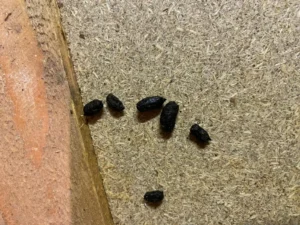
Check for greasy smear marks around the window frame and sill. Rats have oily fur, and when they squeeze through openings or travel along surfaces repeatedly, they leave behind dark, greasy streaks.
Look for gnaw marks on wooden window frames. Fresh gnaw marks are light colored (exposing fresh wood), while older marks darken over time. If you see teeth marks about 1/8 inch apart, those are from rats.
You might notice damage to window screens, like tears, holes, or areas where the screen has been pushed inward or pulled outward.
Check for disturbed caulking or weatherstripping around windows. If rats are working on creating or enlarging an opening, you’ll see these materials pushed aside or chewed away.
You might hear scratching or scrabbling sounds at your windows, especially at night when rats are most active. This could be rats climbing on the outside trying to find a way in, or rats on the inside traveling near windows.
Some people notice a musky or ammonia-like odor near windows where rats are active. This comes from rat urine that they use to mark their territory.
Why Rats Target Certain Windows
Rats don’t randomly choose windows to enter through. There are specific reasons why they target certain windows over others.
Basement windows are prime targets because they’re close to ground level, making them easier for rats to reach without having to climb much. They’re also often older and more likely to have gaps or damage.

Windows near food sources attract rats. If you have a kitchen window or any window near where you store food, the smell can draw rats to that window. They can detect food odors from pretty far away.
Windows that get afternoon sun are attractive during cold weather. Rats are drawn to warmth, and windows that are warmed by the sun (especially south-facing windows) give off heat that rats can detect.
Windows that are partially concealed by bushes, trees, or other vegetation are attractive to rats because they provide cover. Rats don’t like being exposed where predators can see them, so hidden windows feel safer to approach.
Windows with nearby bird feeders or pet food are rat magnets. If you feed birds or pets outside near a window, rats will be drawn to that area and will naturally investigate the nearby window as a potential entry point.
Windows that are regularly left open or cracked attract rats. The air flowing out carries scents from inside your home, and warm air in winter is particularly attractive. An open window is also obviously easier to access than a closed one.
The Risks of Rats Entering Through Windows
When rats get in through windows, they bring several problems with them.
Once inside, rats will look for food, water, and nesting sites. They’ll contaminate your home with their urine and droppings, which can carry diseases that are harmful to humans.

Rats will chew on things inside your home to keep their teeth from growing too long. This includes electrical wires, which creates a serious fire hazard. They’ll also damage furniture, insulation, books, and just about anything else they can gnaw on.
If rats are using a window to get in, they’ll keep using that same route and likely bring other rats with them. Female rats can have up to 12 babies in a litter and can get pregnant again immediately after giving birth. A small problem can become a serious infestation really quickly.
Rats that enter through upper-floor windows have access to your entire home. They can travel through walls and ceilings to reach any room, making them harder to track and trap.
The damage rats cause to window frames and surrounding walls while enlarging entry points can be expensive to repair. The longer they use a window as an entry point, the more damage they’ll cause.
How to Secure Windows Against Rats
The good news is there are several effective ways to keep rats from getting in through your windows.
Start by inspecting all your windows, both inside and outside. Look for any gaps, cracks, or damage. Check the caulking around frames and the condition of weatherstripping.
Seal any gaps around window frames with caulk or expanding foam. For larger gaps, use steel wool or copper mesh first (rats can’t chew through metal), then seal over it with caulk or foam.

Replace worn-out weatherstripping on all windows. This creates a tight seal when the window is closed, eliminating gaps that rats could squeeze through.
If you have damaged or torn window screens, replace them. Consider upgrading to heavy-duty metal screens instead of standard fiberglass screens. Metal screens are much harder for rats to chew through.
For basement windows, install window well covers. These clear plastic or metal covers fit over the window well and prevent rats from getting into the well in the first place.
Make sure all windows close properly and lock securely. If windows are warped or have broken hardware, repair or replace them so they fit snugly in their frames.
If you have window air conditioning units, seal the gaps around them. Use foam weatherstripping or AC sealing kits to eliminate openings around the unit’s edges.
Keep screens in good repair even on windows you don’t open often. Rats can chew through damaged screens even on closed windows to get inside.
Preventing Rats from Reaching Windows
Securing the windows themselves is important, but you should also make it harder for rats to reach your windows in the first place.
Trim back trees and bushes so they’re at least 6 to 8 feet away from your house. This eliminates the bridges rats use to reach upper-level windows and your roof.

Cut back any vines growing on your house. While they might look nice, they’re perfect climbing routes for rats.
Move bird feeders away from your house. The seed that falls to the ground attracts rats, and once they’re in your yard eating birdseed, they’ll investigate your home for other food sources.
Don’t leave pet food or water bowls outside near windows. These attract rats directly to areas near potential entry points.
Keep the area around basement windows clear. Remove leaves, debris, and any clutter from window wells. A clean, open area is less attractive to rats.
Consider installing motion-activated lights near windows. Rats prefer darkness and are less likely to approach well-lit areas.
You can also use metal flashing or rat guards on pipes and wires that run up the outside of your house. These prevent rats from climbing up to reach higher windows.
What to Do If Rats Are Already Using Your Windows
If you’ve discovered that rats are already getting in through your windows, you need to handle the situation carefully.
Don’t seal up the window right away if rats are currently inside your home. If you block their exit route while they’re inside, they’ll be trapped in your walls or living spaces where they’ll keep breeding and chewing.
First, figure out if rats are just getting in, or if they’re using the window as both an entrance and exit. Set up monitoring (like flour on the windowsill) to track activity patterns.

Set up traps inside your home near the window and along walls where you’ve seen signs of rats. Snap traps work well when baited with peanut butter or bacon.
Once you’re confident all rats are out (no signs of activity for at least a week), then seal the entry point properly. Use the methods mentioned earlier with metal mesh and proper sealing materials.
Inspect the entire window and surrounding wall carefully. Rats might have created multiple entry points in the same area, so make sure you find and seal all of them.
Clean and disinfect the window area thoroughly. Rats leave behind urine, droppings, and scent markers. Use a bleach solution (one part bleach to nine parts water) to clean all surfaces.
Monitor the area for a few weeks after sealing to make sure rats aren’t trying to chew through your repairs or find new ways around them.
Special Considerations for Different Window Types
Different types of windows have different vulnerabilities when it comes to rats.
Sliding windows can have gaps at the sides or top where the sliding panel doesn’t quite meet the frame. Check these areas carefully and add weatherstripping if needed.
Double-hung windows can have gaps where the two sashes meet in the middle. Make sure the locks work properly to pull the windows together tightly.

Casement windows generally seal better than other types when closed, but check the weatherstripping around the frame and make sure the latch mechanism works properly.
Awning and hopper windows can have gaps at the bottom or top when closed. Check these areas and add weatherstripping if there are any gaps.
Bay and bow windows often have small gaps where the individual windows meet at angles. These connection points need special attention.
Basement hopper windows are particularly vulnerable because they’re often older and open inward, creating a ledge where rats can stand while working on getting through.
When to Call for Professional Help
Sometimes window-related rat problems are beyond what you can easily handle yourself.
If rats have caused significant damage to window frames or surrounding walls, you might need a carpenter or contractor to make proper repairs before you can seal against rats.

If you have rats entering through multiple windows, or if you can’t figure out exactly how they’re getting in despite careful inspection, a professional pest control expert can help. They have experience finding hidden entry points.
If you’ve sealed your windows but rats keep finding new ways in, professionals can do a comprehensive inspection of your entire home to identify all vulnerabilities.
If rats have built nests in your walls near windows, professional removal and cleanup might be necessary. They have the proper equipment and protective gear to handle contaminated materials safely.
For upper-story windows that are hard to access safely, professionals have the equipment to inspect and seal these areas properly without putting yourself at risk.
Conclusion
Rats can definitely enter through windows, and they’re surprisingly good at reaching even second-story windows by climbing up the outside of your house. Windows have multiple vulnerabilities including gaps around frames, damaged screens, and poor seals that rats can exploit.
The best defense is a good offense. Inspect all your windows regularly, seal any gaps or cracks, keep screens in good repair, and make it harder for rats to reach your windows by trimming back trees and removing climbing routes.
If rats are already using your windows, set up traps first to remove them before sealing entry points. Proper sealing with the right materials will keep them from getting back in. With the right preventive measures, you can keep your windows secure and your home rat-free.

Hi, my name is Ezra Mushala, i have been interested animals all my life. I am the main author and editor here at snakeinformer.com.