
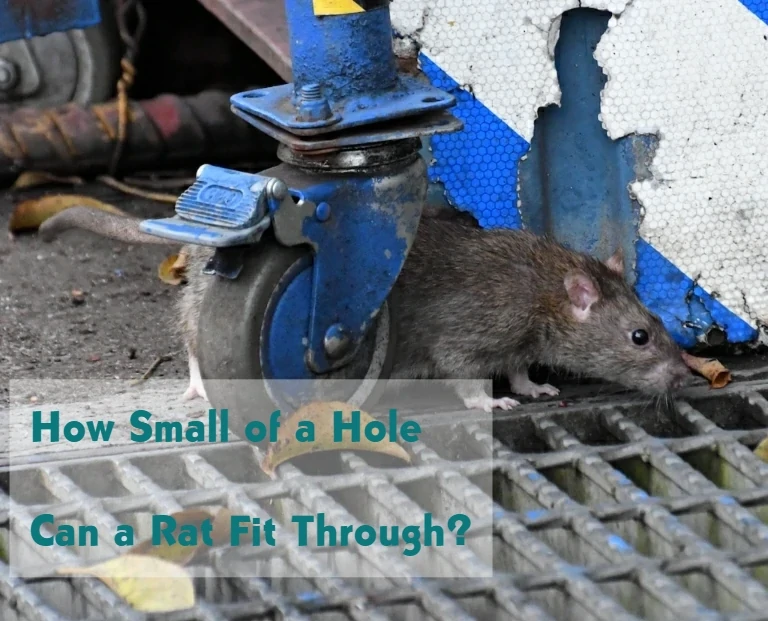
When you’re trying to keep rats out of your home, you might think you only need to worry about big, obvious holes. But rats are incredibly flexible and can squeeze through openings that seem way too small for their bodies. So how small of a hole can a rat get through?
An adult rat can squeeze through a hole as small as a quarter (about 0.96 inches or 2.5 cm in diameter). Young rats can fit through even smaller openings, sometimes as small as a dime (about 0.7 inches or 1.8 cm).
This surprising ability comes from their flexible skeletons and collapsible rib cages. If a rat can fit its skull through an opening, the rest of its body can follow, no matter how tight the squeeze.
Why Rats Can Fit Through Such Small Holes
Rats have skeletal systems that are way more flexible than you’d think. Their ribs can actually collapse and compress, allowing them to squeeze through spaces that look impossible.

The key is their skull. A rat’s skull is the most rigid part of its body and can’t compress like the rest of its bones. So if the skull fits through a hole, everything else can follow.
Rats also have really strong muscles that help them push and wiggle through tight spaces. They can twist their bodies, flatten themselves out, and use their powerful legs to force their way through openings.
Their fur can be misleading too. A rat might look much bigger than it actually is because of its fur. When the fur is compressed, you can see just how small their actual body is underneath.
The Quarter Test for Rat Entry Points
Pest control professionals use what they call the “quarter test” when inspecting homes for rat entry points. If you can fit a quarter through an opening, a rat can probably get through it too.
This test works because a U.S. quarter is about the size of an adult rat’s skull when compressed. Any hole that a quarter fits through is a potential entry point you need to seal.

To use this test yourself, just try to slide a quarter into any cracks, gaps, or holes you find around your home. If it fits, even partially, you should treat that opening as a rat entry point and seal it.
Keep in mind that this test is for adult rats. Young rats can fit through even smaller openings, so it’s better to seal anything that looks like it could be an entry point, even if a quarter doesn’t quite fit.
Common Entry Points That Seem Too Small
There are tons of small openings around your home that you might not think twice about, but rats see them as doorways. Gaps under doors are a classic example. Even a gap that’s just half an inch tall is enough for a rat to squeeze under.
The spaces where pipes and wires enter your home often have gaps around them. These might look way too small for a rat, but if there’s a quarter-inch opening, a rat can work its way in.
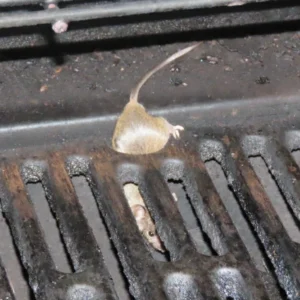
Cracks in your foundation or walls that seem like minor cosmetic issues can be major entry points. A crack that’s barely noticeable to you might be plenty big enough for a rat to squeeze through.
Gaps around window frames, loose siding, and spaces where different building materials meet are all potential entry points. Basically, any opening that you think “that’s probably too small to worry about” is exactly the kind of opening you need to seal.
How Rats Make Small Holes Bigger
Even if a hole is slightly too small for a rat to fit through initially, they won’t give up. Rats have incredibly strong teeth that never stop growing, so they’re always chewing on things.
If a rat finds an opening that’s almost big enough, it’ll chew on the edges to make it bigger. They can chew through wood, plastic, soft metals, drywall, and even some types of concrete.
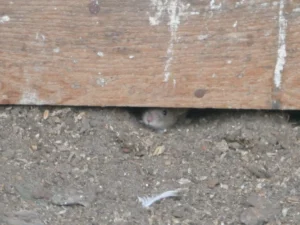
Rats can chew for hours if they think there’s food or shelter on the other side of a barrier. A hole that starts out too small for them can quickly become a major entry point after a night or two of determined chewing.
This is why it’s not enough to just find holes that are already rat-sized. You also need to seal smaller cracks and imperfections that rats could enlarge over time.
The Difference Between Norway Rats and Roof Rats
There are two main types of rats you’ll come across in homes: Norway rats and roof rats. Both can fit through small holes, but there are some differences worth knowing about.
Norway rats are bigger and heavier, with stockier bodies. An adult Norway rat typically needs a hole about the size of a quarter to fit through. They’re not quite as flexible as roof rats because of their heavier build.

Roof rats are smaller and more slender with more flexible bodies. They can sometimes fit through slightly smaller openings than Norway rats. A young roof rat might squeeze through a hole as small as a nickel.
But honestly, the difference doesn’t matter much when you’re sealing up your home. If either type of rat can fit through a quarter-sized hole, you should just assume any rat can and seal accordingly.
Testing Entry Points Around Your Home
To find all the potential entry points around your home, you need to do a thorough inspection. Start on the outside and work your way around the entire perimeter of your house.
- Get down low and look at the foundation.
Check where the foundation meets the ground and where it meets the walls. Look for any cracks, gaps, or holes, no matter how small they seem.
- Check around all doors and windows.
Look at the gaps under doors, around the frames, and where the trim meets the walls. Use your quarter test on any openings you find.

- Don’t forget to look up.
Check your roof line, soffits, and where your roof meets the walls. Rats are good climbers and can reach these high spots easily.
- Inside your home, check your basement, crawl space, and attic.
Look at where pipes and wires come through floors and walls. These spots often have gaps that seem minor but are perfect for rats.
What Materials Rats Can’t Squeeze Through
While rats can fit through really small holes, there are some materials and barriers they have a much harder time with. Solid metal that’s at least 1/4 inch thick is basically rat-proof.
Steel wool is one of the best materials for blocking rat entry points. Rats don’t like chewing on it because it hurts their mouths and teeth. If you stuff steel wool into a hole before sealing it with another material, rats usually won’t try to get through.

Heavy-gauge hardware cloth (metal mesh) with openings smaller than 1/4 inch works well too. Make sure it’s made of galvanized steel or another strong metal that rats can’t chew through.
Concrete and metal flashing are also good barriers when properly installed. The key is making sure these materials completely cover the opening with no gaps around the edges.
Common Mistakes When Sealing Rat Entry Points
The biggest mistake people make is underestimating how small an opening matters. They seal obvious holes but ignore small cracks and gaps, thinking “a rat could never fit through that.”
Another mistake is using the wrong materials. Regular caulk, spray foam, and wood can all be chewed through by rats. If you’re going to use these materials, you need to reinforce them with something rats can’t chew through, like steel wool or metal screening.

Some people seal one or two obvious entry points but don’t do a complete inspection of their whole house. Rats will just find another way in if you don’t seal all the openings.
Not checking your work is another problem. After you seal entry points, you should monitor them for a few weeks to make sure rats aren’t trying to get through. If you see fresh chew marks or damaged sealant, you need to reinforce that spot.
Why Prevention is Better Than Dealing With Rats Inside
Once rats get into your home, getting them out is a much bigger hassle than keeping them out in the first place. They can reproduce really quickly, so a couple of rats can turn into a serious infestation in just a few months.
Rats inside your home can cause a lot of damage. They chew on wires (which can cause fires), damage insulation, contaminate food, and leave droppings everywhere. The longer they’re inside, the more damage they cause.
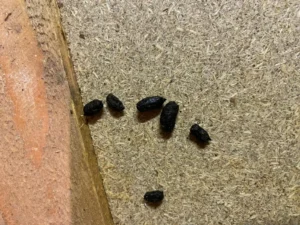
There are also health risks from rats living in your home. They carry diseases and parasites that can affect your family and pets. Their droppings and urine can trigger allergies and respiratory problems.
Dealing with rats after they’re already inside means setting traps, cleaning up contamination, and possibly hiring pest control professionals. All of this costs money and takes time. Sealing entry points before rats get in is way easier and cheaper.
How to Seal Small Openings Properly
When you find a small opening that needs sealing, don’t just grab the first tube of caulk you see. The right method depends on the size and location of the hole.
For cracks and gaps smaller than 1/4 inch, you can use a high-quality exterior caulk or sealant. Make sure it’s rated for outdoor use if it’s on the outside of your house. Clean the area first so the caulk sticks properly.

For holes between 1/4 inch and 1 inch, stuff steel wool into the opening first, then cover it with caulk or expanding foam. The steel wool provides a chew-proof barrier, and the caulk or foam keeps it in place and seals the opening.
For larger holes, you might need to use hardware cloth, metal flashing, or even cement. Cut the material to size, secure it over the hole, and then seal the edges. The goal is to create a barrier that rats can’t chew through or pry apart.
Always check your work after it dries or cures. Make sure there are no gaps around the edges where you applied the sealant. Even a tiny gap can give rats a starting point to work at the seal.
Special Attention Areas Around Your Home
Some areas of your home are more likely to have rat entry points than others. Your garage is one of the most vulnerable spots because garage doors often have gaps underneath or around the sides.
Basement windows and vents are another problem area. These are close to the ground where rats travel, and they often have cracks or gaps in the frames. Make sure all basement windows close tightly and have screens in good condition.

Where utility lines enter your home is almost always a problem spot. The holes drilled for pipes, cables, and wires are often bigger than they need to be, leaving gaps around the utilities. These need to be sealed with materials rats can’t chew through.
Your roof and attic areas need attention too, even though they’re high up. Rats are excellent climbers and can reach your roof by climbing trees, vines, or even the outside of your house. Check roof vents, soffit vents, and where your chimney meets the roof.
How Weather and Seasons Affect Entry Point Risks
Rats are more motivated to find ways into your home during certain times of year. Fall and early winter are prime times because rats are looking for warm places to nest as temperatures drop.
Cold weather can also make existing entry points worse. Materials contract when they get cold, which can create new gaps or make existing cracks bigger. A seal that looked good in summer might have gaps in winter.

Heavy rain can wash away some types of sealants or cause materials to deteriorate faster. After major storms, it’s worth checking your sealed entry points to make sure they’re still secure.
Hot summer weather can also affect seals. Some materials can soften or crack in extreme heat. Plus, rats need water in hot weather, so they might be more aggressive about trying to get into homes where they can find water sources.
When to Call a Professional
If you’ve tried sealing entry points yourself but still have rats getting in, it’s time to call a professional pest control company. They have experience finding entry points that homeowners typically miss.
Professionals also have better tools for the job. They use cameras to inspect crawl spaces and walls, and they have commercial-grade sealing materials that work better than what you can buy at the hardware store.

If your home has structural issues like foundation cracks or damaged siding, you might need contractors in addition to pest control. Major repairs often require professional skills and tools to do properly.
Some situations are just too dangerous or difficult for DIY work. If entry points are in hard-to-reach places like high on your roof or deep in your crawl space, professional help is worth the cost to stay safe.
Conclusion
Rats can squeeze through holes as small as a quarter, which means there are probably way more entry points around your home than you realize. Their flexible bodies and strong teeth make them really good at finding and exploiting small openings.
The key to keeping rats out is to inspect your entire home thoroughly and seal every opening, even the ones that seem too small to matter. Use the right materials like steel wool and metal screening, not just caulk or foam by itself.
Regular inspections and maintenance are important because seals can deteriorate over time and new entry points can develop. Taking the time to seal small holes now will save you the much bigger hassle of dealing with rats inside your home later.

Hi, my name is Ezra Mushala, i have been interested animals all my life. I am the main author and editor here at snakeinformer.com.