
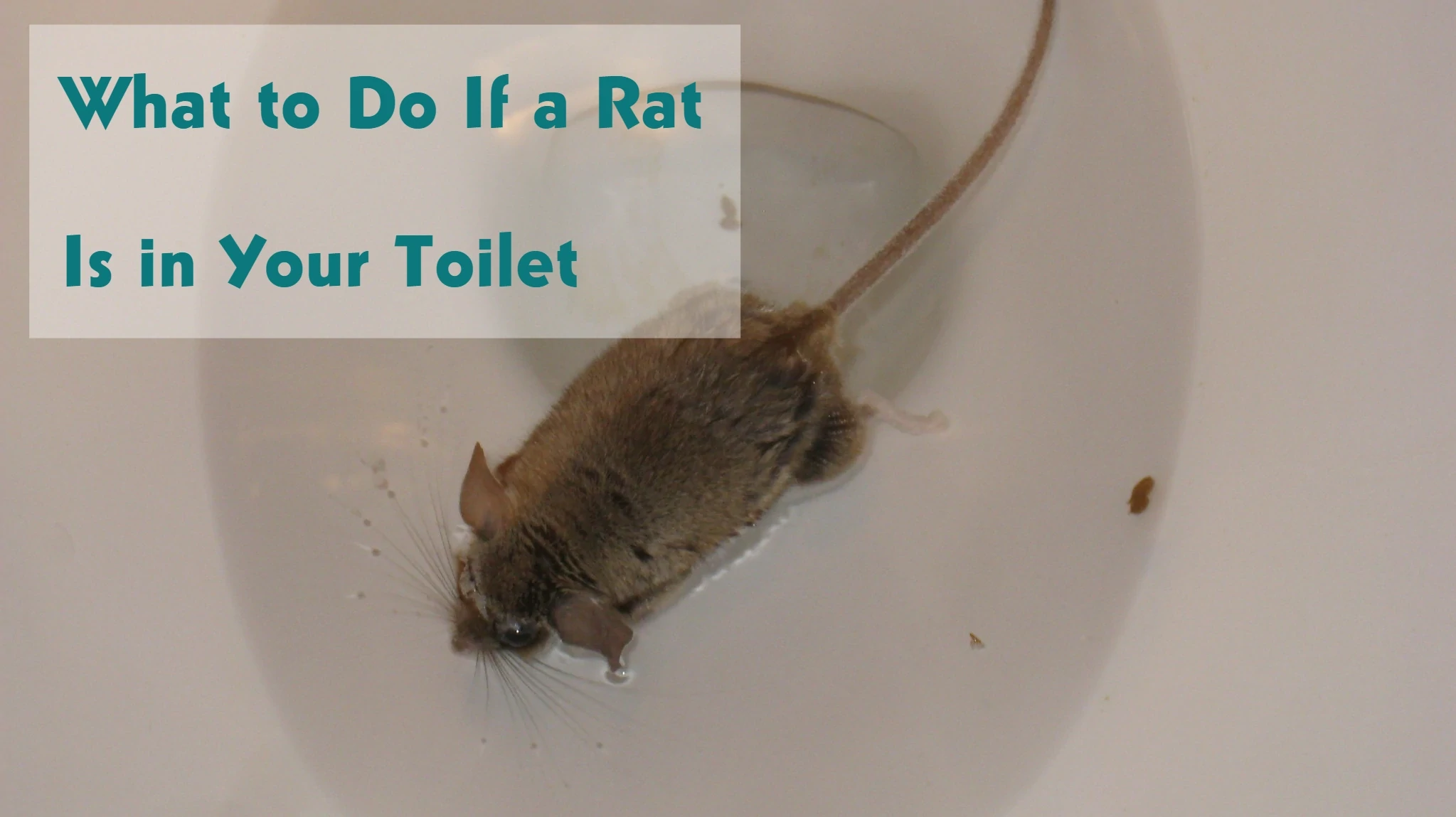
Walking into your bathroom and seeing a rat swimming in your toilet is one of the most disturbing things that can happen in your home. Your heart races, you might scream, and then you’re left standing there wondering what on earth you’re supposed to do now.
What should you do if a rat is in your toilet?
If you find a rat in your toilet, immediately close the lid and place something heavy on top to trap it, stay calm and keep people and pets away from the bathroom, then call a professional pest control service to safely remove the rat and inspect your plumbing for entry points.
How you handle the next few minutes matters both for your safety and for preventing this nightmare from happening again. Let’s walk through exactly what you need to do step by step.
Stay Calm and Don’t Panic
Finding a rat in your toilet is shocking, but panicking will make the situation worse.
Take a deep breath and step back from the toilet. The rat is probably just as scared as you are and isn’t going to attack you.

Don’t scream or make sudden loud noises. This will stress the rat and might cause it to try jumping out of the toilet, which is the last thing you want.
If you’re with other people, calmly tell them there’s a rat and ask them to stay back. You don’t need multiple people crowding around making the situation more chaotic.
Remember that rats in toilets are rare enough to be shocking but common enough that there are established ways to handle this. You’re not the first person this has happened to.
The rat is contained in the toilet bowl right now, which actually makes this easier to deal with than a rat running loose in your house.
Close the Toilet Lid Immediately
Your first physical action should be closing that toilet lid quickly.
Don’t slam the lid because you could hurt the rat, and an injured animal is more dangerous. Just close it firmly and quickly enough that the rat doesn’t have time to react.
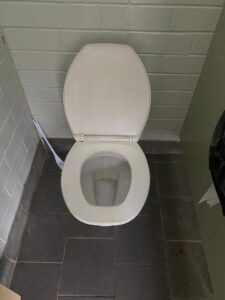
Make sure the lid is completely down and seated properly. Even a small gap might let a determined rat squeeze through.
This immediate containment buys you time to figure out your next steps without worrying about the rat escaping into your bathroom.
If the rat is actively trying to climb out, you might need to be quick and forceful about getting that lid down. Use your best judgment.
Weight the Lid Down
Just closing the lid isn’t enough because rats are surprisingly strong and can push toilet lids open from below.
Put something heavy on top of the closed lid right away. Look around your bathroom for options.
- A stack of thick books works well. Hardcover books are heavier than paperbacks.
- A full gallon jug of water (like laundry detergent or a water bottle) is perfect because it’s heavy and stable.
- A couple of bricks or a concrete block if you have any in your garage that you can quickly grab.
- Even a heavy toolbox or a case of bottled water will work. You just need enough weight that the rat can’t push the lid open.
Make sure whatever you use won’t slide off. Center it on the lid so it’s stable.
Don’t Flush the Toilet
Your instinct might be to flush and wash the problem away, but this is one of the worst things you can do.
Flushing won’t kill the rat. Rats can hold their breath for up to three minutes and are excellent swimmers. All you’ll do is send it back down into the pipes.
The rat that you flush down will either try to come back up (possibly in the same toilet or another one in your home) or will end up in someone else’s plumbing.
If you flush multiple times trying to force the rat down, you risk damaging your toilet’s flushing mechanism and wasting water.
A rat that gets partially stuck during a flush attempt is even worse than one sitting in the bowl. Now you have a rat wedged in your toilet drain.
Some rats become aggressive when flushed because the experience is traumatic for them. You don’t want an angry, wet rat bursting back up into your toilet bowl.
Keep People and Pets Away
Once you’ve contained the rat, secure the bathroom to keep everyone safe.
- Close the bathroom door and put a sign on it or tell everyone in your house to stay out.
- If you have small children, make absolutely sure they can’t access that bathroom. Kids are curious and might try to look at the rat.

- Keep pets away too. Dogs especially might smell the rat and want to investigate, and the last thing you need is your dog knocking over the weight on the toilet lid.
- If you live alone, you still need to be careful not to forget about the situation. Set a reminder on your phone if needed so you don’t accidentally wander back into that bathroom out of habit.
Don’t let anyone use that bathroom until the rat is completely removed and the toilet is cleaned.
Call Professional Pest Control
Now that the immediate situation is contained, it’s time to get expert help.
Look up local pest control companies and call one that offers emergency or same-day service. Explain that you have a rat trapped in your toilet and need immediate help.
Most pest control companies have dealt with this before and will know exactly what to do. They’ll bring the right equipment and protective gear.

Professional removal typically costs between $150 and $400 depending on your location and time of day. Evening and weekend calls might cost more.
If you can’t afford professional help right away, call anyway and ask if they offer payment plans or reduced-rate services. Some companies have options for people in difficult situations.
While you’re on the phone, ask if they can also do a plumbing inspection to find how the rat got in. Some pest control companies work with plumbers or can recommend good ones.
If You Absolutely Must Handle It Yourself
Sometimes professional help isn’t available quickly enough or you just can’t wait. If you’re going to remove the rat yourself, do it safely.

- Put on thick protective gear first. Wear leather work gloves, long sleeves, long pants, and closed-toe shoes. You don’t want any exposed skin.
- Have a large, sturdy container ready with a secure lid. A 5-gallon bucket with a tight-fitting lid works well.
- Prepare a thick towel or blanket that you’re willing to throw away afterward. This is what you’ll use to grab the rat.
- Work quickly and confidently. Open the lid while holding the towel ready, drop the towel over the rat, bundle it up, and transfer the whole bundle into your container.
- If the rat jumps out, don’t try to chase it around your bathroom. Close the bathroom door to contain it, then set a trap or call professionals.
Never try to grab a rat with just gloves, even thick ones. Always use a barrier like a towel between you and the animal.
Where to Release the Rat
If you’ve captured the rat in a container, you need to get it far away from your home.
Take the rat at least several blocks away before releasing it. Rats have good navigation abilities and can find their way back if you release them too close.
A wooded area or park (where it’s legal) is better than releasing it in someone else’s neighborhood. Don’t just move the problem to your neighbors.

Open the container and quickly step back, letting the rat escape on its own. Don’t reach in to try to grab or dump it out.
Some people prefer to humanely kill rats that invade their homes rather than relocating them. If you choose this option, check your local laws about humane euthanasia methods for rodents.
Never release a wild rat in an area where pets or children frequently play. You’re responsible for making sure the rat won’t immediately become someone else’s problem.
Clean Everything Thoroughly
After the rat is gone, you need to seriously disinfect your toilet and bathroom.
- Put on rubber cleaning gloves. Don’t touch anything with your bare hands that the rat might have contacted.
- Flush the toilet several times to clear out contamination. Let it refill completely between flushes.
- Use a strong disinfectant or a bleach solution (1 part bleach to 10 parts water) to clean every surface of the toilet inside and out.

- Let the disinfectant sit for at least 10 minutes before wiping. This gives it time to kill bacteria, viruses, and parasites.
- Scrub the toilet bowl thoroughly with a toilet brush, paying special attention to under the rim and around the waterline.
- Clean the toilet seat, lid, base, and the floor around the toilet. The rat might have splashed water or left droppings.
- Throw away the toilet brush and get a new one. You don’t want to keep using something that touched rat-contaminated water.
Wash your hands thoroughly with antibacterial soap and hot water for at least 20 seconds when you’re done.
Inspect Other Toilets and Drains
If one rat found its way into one toilet, you need to check if others might try other drains.
Walk through your house and look in every toilet bowl. Check for signs of disturbance or rats.
Look at sink drains, shower drains, and floor drains too. Rats can potentially come up through any drain connected to your sewer system.

Flush all toilets in your house even if they look fine. This keeps water levels high and makes it harder for rats to push through.
Run water in all sinks and showers. The water traps in these drains can evaporate, creating easier pathways for rats.
Keep all toilet lids closed for the next several days while you’re investigating and fixing the problem.
Find Out How It Got In
The rat in your toilet isn’t random bad luck. There’s a specific reason it was able to get into your plumbing.
Schedule a sewer line inspection with a plumber who has camera equipment. They can look inside your pipes to find cracks, breaks, or damage.
Old clay or cast iron pipes are common culprits. These materials crack and break down over time, creating openings rats can squeeze through.

Check where your home’s sewer line connects to the city’s main sewer. This junction often develops problems as the ground settles over years.
Look for tree roots growing into your pipes. Large trees near your sewer line can send roots into pipes through cracks, and these root intrusions give rats easy access.
Don’t skip this step. Finding one rat means there’s a pathway, and if you don’t find and fix it, more rats will use the same route.
Install Long-Term Prevention
After dealing with the immediate crisis, take steps to make sure it never happens again.
Have a rat blocker or non-return valve installed in your main sewer line. This is a one-way valve that lets waste flow out but prevents anything from swimming back up.
These devices cost between $400 and $2,000 to install, but they protect your entire home permanently. Every toilet and drain in your house will be protected.
Repair any damaged pipes the plumber found during inspection. Don’t put this off because more rats will keep finding those entry points.
Consider upgrading old clay or cast iron pipes to modern PVC if you have serious pipe problems. This is expensive but might be necessary in older homes.
Keep toilet lids closed and weighted, especially at night when rats are most active. This adds an extra layer of protection.
Deal with Rats on Your Property
Having a rat in your toilet means there are rats in your area, and you should address that too.
Look around your property for things that attract rats. Unsecured garbage, compost bins, fallen fruit from trees, standing water, and pet food left outside all draw rats.

Seal any entry points to your building above ground. Rats that get into your walls or basement can access your plumbing from inside the house.
Set traps around your property’s perimeter, especially near your foundation and anywhere you see signs of rat activity.
Consider hiring professional pest control to do comprehensive rat management around your property, not just for the toilet incident.
Coordinate with neighbors if possible. Rats don’t respect property lines, and area-wide efforts are more effective than individual ones.
Watch for Signs of Repeat Problems
After you’ve dealt with one rat, stay alert for warning signs that it’s happening again.
Check your toilets daily for the next few weeks. Look for water level changes, ripples when nobody’s using it, or any other unusual signs.

Listen for strange noises from your plumbing at night. Scratching, squeaking, or gurgling sounds might indicate rats in your pipes.
Notice unusual smells from your drains. Rats have a distinctive musky odor that can warn you they’re in the plumbing.
If you see rat droppings anywhere in your home, especially near bathrooms, take it seriously and investigate.
When to Seek Medical Attention
Most rat encounters don’t result in injury, but you need to know when medical care is necessary.
If you’re bitten or scratched by the rat during removal attempts, seek medical attention immediately. Rat bites can transmit serious diseases like rat-bite fever.
Clean any rat bite or scratch with soap and water right away, then get to a doctor or urgent care. You’ll probably need antibiotics.
If you touched the rat or contaminated water with bare hands and then touched your face, eyes, nose, or mouth before washing, monitor yourself for illness over the next few days.
Watch for symptoms like fever, headache, muscle pain, rash, or gastrointestinal issues. These could indicate infection from bacteria the rat was carrying.
People with weakened immune systems should be especially careful and might want to see a doctor even without obvious exposure, just to be safe.
Document Everything
Keep records of the incident and everything you do about it, especially if you’re renting or dealing with insurance.
Take photos of the rat in your toilet if you safely can. This documentation might be important later.
Save all receipts from pest control, plumbing inspections, and any repairs. You might need these for insurance claims or landlord disputes.

Write down the date, time, and details of the incident while they’re fresh in your memory.
If you’re a renter, document all communication with your landlord about the problem and their response (or lack of response).
Keep a log of any repeat incidents or ongoing problems. Patterns in your documentation can help professionals solve the underlying issue.
Talk to Your Landlord or HOA
If you don’t own your home, the responsibility for fixing this problem might fall on someone else.
Notify your landlord immediately about the rat in your toilet. Most rental agreements require landlords to address pest problems.
In many places, landlords are legally required to maintain plumbing in safe, working condition. A rat entry point in your pipes is a maintenance issue they must fix.
If you’re in a condo or townhouse with an HOA, notify them too. The problem might be with shared sewer lines that the HOA is responsible for maintaining.
If your landlord or HOA doesn’t respond appropriately, document their lack of action. You might need this information if you have to break a lease or file a complaint with local housing authorities.
Conclusion
Finding a rat in your toilet is terrifying, but now you know exactly what to do. Close and weight the lid, stay calm, keep everyone away from the bathroom, and call professional help. Don’t flush the rat, and don’t try to handle it unless you absolutely have to and are properly protected.
The most important thing is addressing not just this one rat but the underlying problem that allowed it to get into your plumbing.
With proper cleanup, professional inspection, and installation of prevention measures like rat blockers, you can make sure this nightmare doesn’t happen again.
Take the situation seriously, follow through with repairs and prevention, and you’ll be able to use your bathroom without fear again.

Hi, my name is Ezra Mushala, i have been interested animals all my life. I am the main author and editor here at snakeinformer.com.