

Water is one of the most basic needs for any living thing, and rats are no exception. Whether you’re dealing with a rat problem or caring for pet rats, knowing how long they can survive without water is important information.
The answer depends on several factors, but it might not be what you expect. How long can rats go without water?
Rats can typically survive 2 to 4 days without water. Some rats might last up to a week in cool, humid conditions, while others will die within 24-48 hours in hot, dry environments. The exact time depends on the rat’s size, health, diet, and environmental conditions.
This survival time is actually longer than how long rats can survive without food, which might seem strange. But there’s a good reason for this, and understanding it can help you deal with rats more effectively.
Why Water Survival Time Varies So Much
The huge range (2 days to a week) exists because water needs change based on what’s happening around the rat and inside its body.
A rat in a cool basement with high humidity won’t lose water through its skin and breath as fast as a rat in a hot attic. Temperature makes a massive difference.
The rat’s diet also matters. If the rat was eating foods with high water content (like fruits or fresh vegetables) before it lost access to water, it starts out more hydrated.
Larger rats have more fluid in their bodies to start with, so they can last a bit longer than smaller rats. But they also need more water overall when they do drink.
A rat that’s active and moving around will dehydrate faster than one that stays still and conserves energy. Wild rats running from danger will die of thirst faster than calm rats.
Rats Get Water From Their Food
Here’s something most people don’t know: rats can actually get a surprising amount of water from the food they eat. This is why the food vs. water survival question is complicated.
Fresh fruits and vegetables are 80-95% water. A rat eating watermelon, lettuce, or cucumbers is basically drinking while eating.
Even dry foods like grains and seeds contain some moisture. It’s not much (maybe 10-15%), but it’s something.
This is why rats with access to food but no water can sometimes survive longer than expected. They’re extracting every bit of moisture from their meals.
Wild rats living near garbage or compost often get enough water from their food that they rarely need to drink pure water. They’ll still drink when they can, but they’re not desperate for it.
Pet rats fed only dry pellets need much more drinking water than rats fed fresh foods daily. The dry diet doesn’t provide the moisture their bodies need.
Dehydration Happens Fast in Rats
Despite being able to survive a few days without water, rats start getting dehydrated within hours of their last drink. Their small bodies just can’t store that much water.
In the first 12-24 hours without water, a rat will start showing mild dehydration symptoms. It’ll be thirsty and actively searching for water.
By day two, the dehydration is getting serious. The rat’s mouth and nose will be dry, and its eyes might look sunken. It’ll be less active and weaker.
On day three, the rat is in critical condition. It might have tremors, seizures, or be barely conscious. Its organs are starting to shut down.
By day four, most rats are dead or dying. The body simply can’t function without water for much longer than this.
Hot Weather Makes Everything Worse
Temperature has a huge impact on how long rats can survive without water. In hot weather (above 80°F), rats can die within 24-48 hours without water.
Heat makes rats pant and sweat (they do sweat a tiny bit through their paws), which uses up water fast. They also need water to cool down their bodies.
A rat in a hot attic or outdoor area in summer might die of dehydration in just one day if it can’t find water. The heat speeds up everything.
This is why rats are more active near water sources in summer. They know they need to drink more often when it’s hot.
In cool or cold weather, rats can go longer without water because they’re not losing as much through breathing and temperature regulation. But they still need water eventually.
Young Rats and Baby Rats Need Water More Often
Just like with food, young rats can’t go as long without water as adults can. Baby rats are especially vulnerable to dehydration.
Nursing babies get all their water from their mother’s milk. If the mother can’t produce milk because she’s dehydrated, the babies will die within hours.

Weaned babies (ones that are eating solid food but still young) might only survive 1-2 days without water. Their small bodies dehydrate incredibly fast.
Young rats also don’t have the same instincts as adults about conserving energy when water is scarce. They’ll keep moving around and playing, which uses up their water reserves faster.
If you have young pet rats, check their water bottle multiple times per day to make sure it’s working and full. A broken water bottle can kill young rats in less than a day.
Signs of Dehydration in Rats
If you’re checking on a rat (whether it’s a pet or a wild rat you’re monitoring), you can tell if it’s dehydrated by looking for certain signs.
Dehydrated rats have dry mouths and noses. If you gently touch the rat’s nose, it should be slightly damp. A completely dry nose is a bad sign.

The rat’s eyes might look sunken or dull. Healthy, hydrated rats have bright, clear eyes that look moist.
You can also do a skin tent test. Gently pinch the skin on the rat’s back and let go. If the skin snaps back immediately, the rat is hydrated. If it stays tented or moves back slowly, the rat is dehydrated.
Dehydrated rats are also lethargic and weak. They won’t move around much and might not react when you get close to them.
Rats Are Drawn to Water Sources
Wild rats will always set up their homes near water if they can. This might be near a leaky pipe, a pond, a stream, or even just a consistently damp area.
In buildings, rats often live near bathrooms, kitchens, or utility rooms where there’s water access. They’ll drink from leaky faucets, dripping pipes, or standing water.

Rats have an amazing sense of smell and can detect water from pretty far away. They’ll travel to water sources regularly if there’s no water in their immediate area.
This is why fixing leaks and eliminating standing water is such an important part of rat control. If rats can’t find water in your building, they’re more likely to leave or die.
Some rats will even chew through pipes or containers to get to water if they’re desperate enough. Their need for water drives a lot of their behavior.
Pet Rats Need Fresh Water Daily
If you have pet rats, they should have access to fresh, clean water at all times. Check their water bottle or bowl multiple times per day.
Water bottles can get clogged or malfunction, so test them regularly by tapping the ball bearing to make sure water comes out. A clogged bottle is just as bad as no bottle at all.
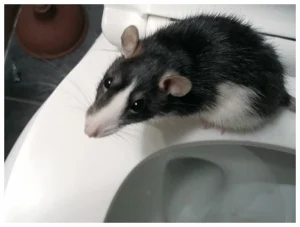
Change the water daily, even if the bottle still looks full. Old water can grow bacteria and algae, which can make your rats sick.
In hot weather or if your rats are eating mostly dry food, they’ll drink more water than usual. Make sure they always have plenty available.
Some rats prefer bowls over bottles, but bowls get dirty faster and can tip over. If you use a bowl, get a heavy ceramic one that’s hard to knock over, and clean it daily.
Dehydration Can Happen Even With Water Available
Sometimes rats can become dehydrated even when water is available. This happens if the rat is sick and can’t drink, or if the water source is contaminated.
Sick rats might not have the strength or coordination to drink from a bottle. They might need water offered in a shallow dish at ground level.
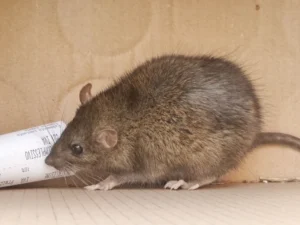
Rats with mouth injuries or dental problems might avoid drinking because it hurts. These rats need to see a vet right away.
Very old rats sometimes forget to drink or don’t feel thirsty even though they’re dehydrated. They need extra monitoring to make sure they’re staying hydrated.
If a rat has access to water but still shows signs of dehydration, something is wrong. It needs veterinary care immediately.
How Rats Conserve Water When It’s Scarce
When water is hard to find, rats have some tricks to make their water reserves last longer. They become less active to reduce water loss through breathing and movement.
Rats will also retreat to cooler, more humid areas if possible. This might mean going deeper underground or into basements where the air holds more moisture.
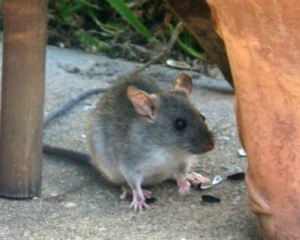
They’ll focus on eating foods with high water content if any are available. Rats will choose juicy fruits over dry grains when they’re thirsty.
Rats also produce more concentrated urine when dehydrated. This means their bodies are holding onto as much water as possible instead of flushing it out.
But all of these are just temporary measures. Eventually, the rat needs actual water or it’ll die. These conservation tricks might buy an extra day at most.
The Relationship Between Food and Water
Rats need both food and water to survive, but the balance between them is interesting. A rat with plenty of food but no water will actually die faster than a rat with no food but some water.
This is because digesting food requires water. If a rat keeps eating but can’t drink, the food actually speeds up dehydration because the body uses water to process it.
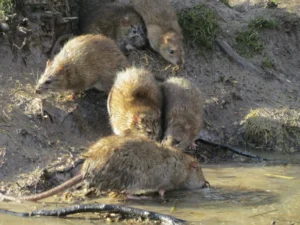
A rat with water but no food will eventually starve (in about 3-4 days), but it’ll stay conscious and aware longer than a rat dying of thirst.
The best rat control strategy removes both food and water sources. Removing just one isn’t nearly as effective because rats can sometimes compensate.
For pet rats, always provide both food and water in abundance. Never restrict either one for any reason.
Different Environments Mean Different Survival Times
A rat in a desert or very dry environment might only survive 24-48 hours without water. The dry air pulls moisture from the rat’s body constantly.
A rat in a humid basement or cool crawlspace could potentially last 5-7 days without drinking. The humid air means less water loss through breathing.
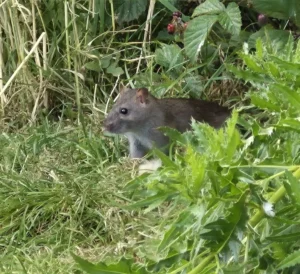
Rats in sewers have access to water almost constantly, which is one reason sewer rat populations can be so hard to control. They’re never far from water.
Outdoor rats in rainy climates can drink from puddles and dew, which means they’re rarely without water for long. They’re more vulnerable during droughts.
Indoor rats in climate-controlled buildings face moderate conditions, usually surviving around 3-4 days without water if they can’t find any.
Preventing Water Access for Rat Control
If you’re trying to get rid of rats, eliminating water sources is just as important as removing food. Fix all leaky faucets and pipes immediately.
Don’t leave pet water bowls out overnight if you have rats. Empty them and refill in the morning.
Clean up condensation from air conditioners and dehumidifiers. This standing water is a perfect drinking source for rats.
Make sure gutters drain properly and don’t leave standing water near your foundation. Outdoor puddles attract rats to the area around your home.
Check for leaks under sinks, behind toilets, and around water heaters. Even a slow drip can provide enough water for rats to survive.
Conclusion
Rats can survive 2-4 days without water on average, but this varies widely based on temperature, humidity, diet, and the rat’s health. Hot, dry conditions will kill a rat much faster than cool, humid ones.
Understanding how long rats can go without water helps with both pest control and pet care. For pest control, removing water sources is just as critical as removing food.
For pet rats, always ensure fresh water is available and check that water bottles are working properly. Dehydration can kill pet rats surprisingly fast, so regular monitoring is important.

Hi, my name is Ezra Mushala, i have been interested animals all my life. I am the main author and editor here at snakeinformer.com.