

You might think of mice as creatures that scurry along floors and under furniture. But if you’ve ever spotted a mouse up high or found droppings on shelves, you’ve probably wondered about their climbing abilities. Can mice climb up walls?
Yes, mice can climb up walls. They’re excellent climbers with sharp claws and flexible bodies that let them scale rough vertical surfaces like brick, wood, concrete, and stucco. They can even climb inside walls through gaps and wiring.
Mice are much more athletic than most people realize. Their climbing ability is one reason they’re such successful pests, able to access areas you might think are safe.
How Mice Are Able to Climb Straight Up Walls
Mice have several physical features that make them really good climbers.
Their claws are sharp and curved, which lets them grip tiny irregularities in surfaces. Even surfaces that look smooth to you have enough texture for a mouse to grip.

Mice have flexible bodies with strong legs relative to their size. They can stretch and contort to reach holds that would be impossible for larger animals.
Their long tail acts as a balance. When climbing, mice use their tail to help stabilize themselves, especially on narrow or angled surfaces.
Mice are incredibly light. An adult house mouse weighs less than an ounce. This low body weight means they don’t need much grip to support themselves.
Their small size also lets them use tiny ledges, cracks, and bumps as handholds and footholds. What looks like a flat surface to you might have plenty of climbing opportunities for a mouse.
Mice climb using a technique where they grip with their claws and push upward with their strong back legs. They can climb surprisingly fast when they need to.
Which Wall and Household Surfaces Can Mice Actually Climb?
Mice can climb most rough or textured surfaces but struggle with perfectly smooth ones.
- Brick walls are easy for mice to climb.
The mortar between bricks creates lots of little ledges and grooves that mice use as handholds.
- Wood surfaces (including wooden siding, fences, and interior walls) are climbable.
The grain and texture of wood provides enough grip.
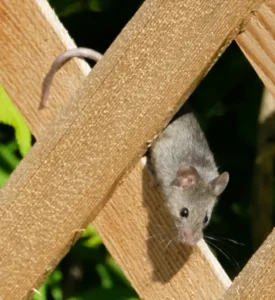
- Concrete and stucco are also easily climbed.
These surfaces are rough enough for mouse claws to find purchase.
- Textured wallpaper, drywall, and painted walls can be climbed if the texture is rough enough.
Smooth painted walls are harder but not impossible.
- Stone walls are like highways for mice.
Natural stone has lots of irregularities that make excellent climbing holds.
- Wire mesh, chicken wire, and hardware cloth are super easy for mice to climb.
They can hook their claws through the holes.
- Curtains, drapes, and fabric are easily climbed.
Mice can dig their claws into the material and climb like they’re on a ladder.
Surfaces That Stop Mice From Climbing Successfully
While mice are good climbers, there are some surfaces they can’t manage.
- Smooth metal is really hard for mice to climb.
Polished stainless steel, aluminum, or sheet metal provides no grip for their claws.
- Glass and smooth plastic are also unclimbable.

These surfaces are too slick for mouse claws to get any purchase.
- Smooth painted surfaces might stop mice if the paint is glossy enough.
But most painted walls have some texture that mice can work with.
- Mice also struggle with overhangs.
If a surface curves back over their head, they can’t maintain their grip and will fall.
- Very smooth ceramic tile (like in bathrooms) is difficult for mice to climb, though they might be able to use grout lines.
The key is that the surface needs to be truly smooth. If you can feel any texture at all with your fingers, a mouse can probably climb it.
How High Mice Can Climb?
Mice can climb to impressive heights when they have the right surface.
There’s no real height limit if the surface is climbable. Mice can climb from the ground floor to the roof of a multi-story building if there’s a path.
Mice have been found in apartments on high floors of buildings. They climb up the outside of the building or through wall spaces and pipe chases.
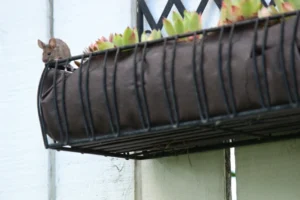
A mouse can easily climb the height of a normal wall (8 to 10 feet) in just a few seconds.
They can also climb much higher if they’re inside wall cavities or climbing on rough exterior surfaces. Multi-story climbs are no problem for a determined mouse.
The real limitation isn’t how high they can climb, but whether there’s a surface they can grip. With the right surface, mice could theoretically climb skyscrapers.
How Mice Move Up and Down Inside Wall Cavities
One of the most concerning places mice climb is inside your walls.
Wall cavities (the space between the drywall or plaster and the exterior wall) are like mouse highways. Mice climb up and down these spaces easily.
Electrical wiring, plumbing pipes, and other utilities that run through walls give mice handholds for climbing.

Insulation in walls might slow mice down a bit, but it won’t stop them. They can climb through or push past most insulation materials.
This is how mice can get from your basement to your attic without ever being visible. They’re climbing inside the walls the whole time.
You might hear scratching or scurrying sounds inside walls, especially at night. This is often mice climbing up or down between floors.
Mice can also travel horizontally inside walls, moving from room to room completely hidden.
Other Vertical Surfaces Mice Can Climb Besides Walls
Walls aren’t the only vertical surfaces mice can scale.
Furniture is easy for mice to climb. They can scale bookshelves, dressers, cabinets, and any other piece of furniture.
Trees and wooden posts are natural climbing surfaces for mice. Wild mice regularly climb trees to find food or escape predators.

Cables and wires are like ropes for mice. They can run up electrical cables, phone lines, and cable TV wires.
Downspouts and drainpipes provide easy access from ground to roof. Mice can climb up the inside or outside of these pipes.
Rough exterior house materials like cedar shingles, lap siding, or stone veneer give mice access to your roof and upper floors.
Fences are climbable, especially wooden fences. Mice can climb up one side, across the top, and down the other side.
Why Mice Climb in Homes and Buildings
Mice don’t climb just for fun. They have specific reasons for their vertical adventures.
- Finding food is a major motivation.
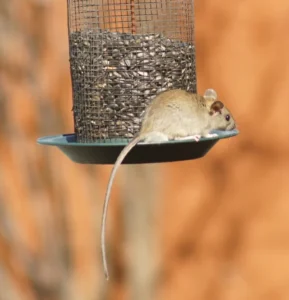
Mice will climb to reach food stored on high shelves or in upper cabinets.
- Escaping predators drives climbing behavior.
When chased by a cat or other predator, mice will climb to safety.
- Finding shelter and nesting sites often requires climbing.
Attics, which are reached by climbing, make great nesting spots for mice.
- Exploring their territory involves climbing.
Mice are curious and will investigate vertical spaces just to see what’s there.
- Finding mates can require climbing.
Mice might need to climb to reach areas where other mice are nesting.
- Water sources sometimes require climbing.
A dripping pipe or condensation on pipes might be up high, requiring mice to climb to drink.
Mice Can Jump Too, Not Just Climb
Climbing isn’t the only way mice get up high. They can also jump surprisingly well.
Mice can jump up to 12 inches high from a standing position. This is over 5 times their body length.
They can also jump horizontally quite far, up to 18 inches or more. This lets them leap from one surface to another.

Combining climbing with jumping, mice can access almost any area. They might climb partway, jump to a ledge, climb more, and so on.
When falling or jumping down, mice can survive falls from surprising heights. They’re light and can twist in midair to land safely.
This combination of climbing, jumping, and surviving falls makes mice incredibly mobile in three-dimensional space.
How to Stop Mice From Climbing Into Your Home
Understanding that mice can climb helps you protect your home from entry.
1. Seal gaps and cracks at all heights, not just at ground level.
Mice can climb to upper-floor gaps and squeeze through.
2. Check around windows, especially on upper floors.
Gaps around window frames are common entry points for climbing mice.
3. Inspect where pipes and wires enter your home.
These are common climbing routes. Seal gaps with steel wool and caulk.
4. Keep trees and shrubs trimmed back from your house.

Branches touching your roof give mice a bridge to climb across.
5. Check your roof and eaves for gaps.
Mice can climb up the side of your house and enter through gaps under the roof edge.
6. Install metal flashing or guards on pipes and wires that run up the outside of your home.
Smooth metal barriers can stop climbing mice.
7. Make sure door and window screens are in good repair.
Mice can climb up to damaged screens and push through.
What Happens Once Mice Start Climbing Inside Your House
Once mice are inside, their climbing ability lets them access many areas.
They can climb to the tops of kitchen cabinets and get into stored food. Never assume food is safe just because it’s up high.
Mice climb up to ceiling spaces and can nest in the attic. They enter through tiny gaps where walls meet ceilings.
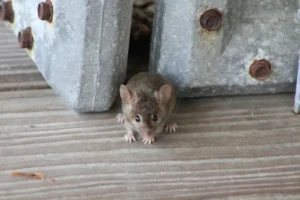
They can climb into dropped ceilings (the kind with acoustic tiles). The space above these ceilings is a mouse highway.
Mice climb behind appliances like refrigerators and ovens. The warmth attracts them, and they nest in these hidden spots.
They can get into walls at any height by finding gaps around outlets, light switches, or where pipes come through the wall.
Bookshelves, entertainment centers, and closets are all accessible to climbing mice. They can reach the highest shelves with ease.
Signs That Mice Are Climbing Around Your Home
If mice are using their climbing skills in your house, there will be evidence.
- Droppings on high shelves, counters, or the tops of cabinets indicate mice are climbing up there.
- Gnaw marks at various heights show where mice have been. They might chew on boxes on high shelves or wires up near the ceiling.
- Greasy rub marks appear along climbing routes. As mice climb the same path repeatedly, oils from their fur leave dark streaks.
- Scratching sounds in walls or ceilings are often mice climbing between floors.
- Nests in high places (like attics or upper cabinets) prove mice climbed to get there.
- Urine stains or odors at various heights show where mice have been traveling.
How to Store Food Safely When Mice Can Climb
Since mice can climb, storing food up high doesn’t protect it. You need better strategies.
Use sealed containers made of glass, metal, or thick plastic. Mice can’t chew through these materials.

Store food in the refrigerator when possible. Mice can’t climb into a closed fridge.
Don’t leave food out on counters overnight. Mice can easily climb to counter height.
Pet food should be stored in sealed containers and not left in bowls overnight. Mice will climb to reach pet food left on counters or tables.
Pantry items in cardboard boxes or paper bags are vulnerable even on high shelves. Transfer these to sealed containers.
Fruit bowls on counters or tables are accessible to mice. Store fruit in the fridge or in sealed containers.
How to Deal With Mice That Use Climbing Routes
When trying to catch mice, remember their climbing ability and plan accordingly.
- Set traps at different heights, not just on the floor.
Place traps on shelves, counters, and other elevated surfaces where you see signs.
- Traps along walls at any height are effective.
Mice climb along walls, so that’s where they’ll encounter traps.
- Don’t assume areas are too high for mice to reach.
If you see droppings somewhere, mice can get there, so set a trap.
- Use multiple traps at different locations and heights.
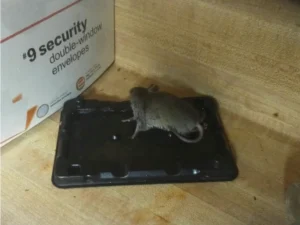
This increases your chances of catching mice no matter what route they take.
- Check for entry points at all levels of your home.
Seal gaps on upper floors and near the roofline, not just at ground level.
- Consider calling a professional if mice are getting into hard-to-reach areas.
Pest control experts have tools and experience for dealing with climbing mice.
Other Animals That Can Climb Walls Like Mice
Mice aren’t the only rodents with climbing skills. Knowing which pests can climb helps you protect your home.
Rats can also climb walls, though they’re not quite as agile as mice because they’re heavier.

Squirrels are excellent climbers. They can scale walls, trees, and poles with ease.
Chipmunks can climb, though they prefer to stay near ground level most of the time.
Roof rats (also called black rats) are even better climbers than Norway rats and often nest in high places like attics.

House sparrows and other birds that nest in buildings use some of the same entry points that climbing mice use.
Knowing that many pests can climb reminds you to check and seal entry points at all heights.
How Wild Mice Use Climbing to Survive
In their natural habitat, mice use climbing extensively for survival.
Field mice and deer mice climb grass stalks and weeds to reach seed heads. This is a major food source.
Mice climb into bushes and low trees to eat berries, buds, and small fruits.
They climb to reach bird nests and eat eggs or baby birds (yes, mice sometimes eat meat).
Climbing into dense vegetation provides protection from predators. Owls and hawks can’t easily grab mice hidden in thick bushes.
Mice climb to scout their territory and watch for predators. A better vantage point helps them spot danger.
Some mouse species build nests in above-ground locations like in dense shrubs or in tree cavities, which requires good climbing skills.
Conclusion
Mice can climb up walls and many other vertical surfaces. They have sharp claws, flexible bodies, and excellent balance that let them scale rough surfaces like brick, wood, concrete, and stucco. They can climb inside walls, on furniture, and up the outside of buildings.
The ability to climb gives mice access to areas most people think are protected. Food stored on high shelves, attics, and upper-floor rooms are all reachable by climbing mice.
To keep mice out, seal entry points at all heights, trim vegetation away from your house, and store food in sealed containers regardless of where it’s located. Remember that mice are athletic, three-dimensional travelers, and plan your defenses accordingly.

Hi, my name is Ezra Mushala, i have been interested animals all my life. I am the main author and editor here at snakeinformer.com.