
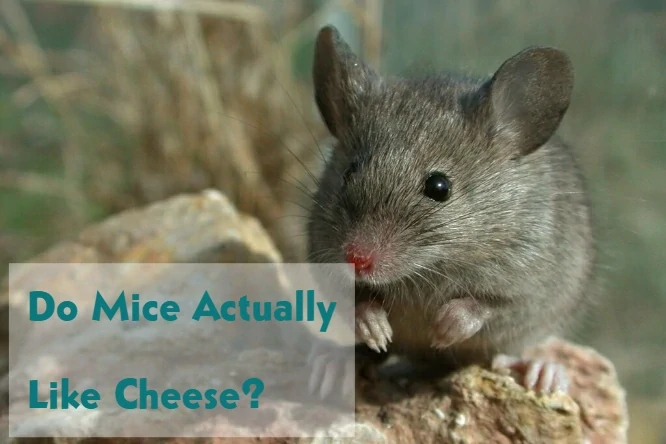
Cartoons and movies always show mice loving cheese. Tom chases Jerry around a big wedge of Swiss cheese, and animated mice are constantly sneaking off with cheese slices.
If you’re setting mouse traps, you might reach for cheese as bait because it seems like the obvious choice. But do mice actually like cheese?
No, mice don’t particularly like cheese. While they’ll eat it if they’re hungry, cheese is not a preferred food for mice. They’re much more attracted to foods high in sugar or carbohydrates like peanut butter, chocolate, seeds, grains, and fruit.
The idea that mice love cheese is mostly a myth that’s been spread through popular culture. Real mice have very different food preferences.
Where the Cheese Myth Came From
The connection between mice and cheese has been around for centuries, but it’s not based on how mice actually behave.
In medieval times, people stored food in pantries and cellars. Cheese was often kept in these storage areas because it didn’t need refrigeration.
Mice living in homes would get into these storage areas looking for food. Since cheese was one of the foods stored there, people would find mice near or eating their cheese.
But mice weren’t specifically targeting cheese. They were just eating whatever food they could access. If bread, grain, or fruit had been stored there instead, mice would have eaten those too.
Cheese got the blame because it was valuable and its loss was noticed. If a mouse ate some grain, you might not notice. But a chunk missing from an expensive wheel of cheese was obvious.
This association got passed down through stories, folklore, and eventually popular media. By the time cartoons became popular, the mouse-loves-cheese trope was firmly established.
The myth continued because it’s simple and memorable. It’s easier to show a cartoon mouse stealing cheese than to show it eating grain or seeds.
What Mice Actually Prefer to Eat
Mice are opportunistic eaters, but they definitely have preferences. Understanding what they really like helps explain why cheese isn’t their top choice.
- Mice are naturally drawn to high-calorie foods.
In the wild, they need lots of energy to survive, so they seek out foods that give them the most calories.
- Grains and seeds are among their favorite foods.
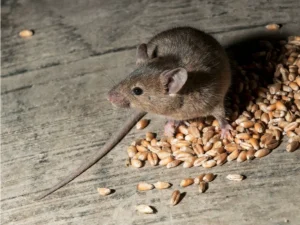
Mice love wheat, oats, barley, sunflower seeds, and similar foods. These are what wild mice naturally eat.
- Nuts are also really appealing to mice.
Peanuts, almonds, and walnuts are all high-energy foods that mice will actively seek out.
- Fruits attract mice because of their sugar content.
Apples, berries, bananas, and other fruits smell sweet and appealing to mice.
- Mice also like sweet foods in general.
They’re drawn to candy, cookies, chocolate, and other sugary items in your pantry.
- Meat and protein are appealing too.
Mice will eat bacon, dried meat, pet food, and even insects if they find them.
Cheese doesn’t fit neatly into any of these preferred categories. It’s not particularly sweet, and it’s not as high-energy as nuts or grains.
Why Cheese Isn’t Ideal for Mice
There are specific reasons why cheese isn’t a great food choice for mice, even though they’ll eat it when it’s available.
- Cheese is high in fat and protein but relatively low in carbohydrates.
Mice prefer foods with more carbs because they provide quick energy.
- Strong-smelling cheeses might actually repel mice.

While aged, stinky cheeses smell good to humans who like them, the strong odor can be overwhelming to a mouse’s sensitive nose.
- Cheese can be hard for mice to digest.
Mice, like many mammals, become lactose intolerant as adults. While they can eat small amounts of cheese, it’s not ideal for their digestive system.
- Cheese doesn’t smell as strongly as many other foods mice like.
Peanut butter, for example, has a much stronger scent that attracts mice from farther away.
- In the wild, cheese doesn’t exist.
Mice haven’t evolved to seek out cheese the way they’ve evolved to seek out seeds, grains, and fruits.
What Are the Best Baits for Mouse Traps?
If you’re trying to catch mice, forget the cheese. These baits work much better.
It’s sticky (so mice have to work at it, triggering the trap), it smells strong, and mice love it. Just a small dab is all you need.
- Chocolate and chocolate hazelnut spread (like Nutella) are also excellent.
Mice are attracted to the sweet smell and taste.
- Bacon or bacon grease works really well.
The smell of cooked meat is irresistible to many mice.
- Dried fruit like raisins or apricots attracts mice.
The concentrated sugar content makes these fruits really appealing.
- Bird seed or sunflower seeds work great because they’re what mice naturally eat.
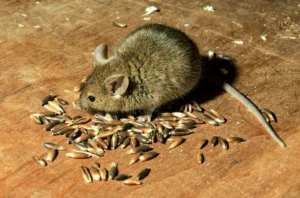
Mix seeds with a little peanut butter to make them stick to the trap.
- Gumdrops or other sticky candy can work.
The sweetness attracts mice, and the stickiness helps trigger the trap.
- Pet food (especially wet cat or dog food) is attractive to mice.
The smell is strong and the food is easy to eat.
All of these options are more effective than cheese for catching mice.
Scientific Studies on Mouse Food Preferences
Researchers have actually studied what foods mice prefer, and cheese doesn’t rank highly.
One study tested different foods to see which ones mice were most attracted to. Peanut butter and chocolate beat cheese by a wide margin.
Mice in the study consistently chose high-sugar and high-carbohydrate foods over high-fat foods like cheese.
Other research on wild mice shows that they primarily eat seeds, grains, and plant material. Dairy products aren’t part of their natural diet at all.
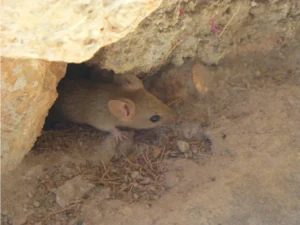
Lab mice (the kind used in research) are often fed specially formulated pellets. When given choices, they show strong preferences for sweet and starchy foods.
Studies on pest control methods confirm that peanut butter and similar baits catch significantly more mice than cheese.
The scientific evidence is clear: mice don’t have a special preference for cheese. That’s purely a cultural myth.
Will Mice Eat Cheese If It’s Available?
Even though mice don’t prefer cheese, they will eat it under certain circumstances.
Mice are opportunistic. If cheese is the only food available, they’ll eat it rather than starve.
A hungry mouse is less picky than a well-fed one. If a mouse is desperate for food, it won’t turn down cheese.
Mice living in homes where cheese is frequently accessible might eat it regularly simply because it’s there, not because they particularly love it.

Some individual mice might like cheese more than others. Just like humans have different taste preferences, mice can have individual differences too.
Soft cheeses are more appealing than hard cheeses. A soft cheese like brie is easier to eat than a hard cheese like parmesan, so mice are more likely to choose it.
Cheese mixed with other foods might be more appealing. For example, a piece of pizza (cheese plus bread plus sauce) is more attractive than plain cheese.
Mouse Diet in the Wild
Understanding what mice eat naturally helps explain why cheese isn’t on their preferred menu.
Wild mice eat mostly seeds, grains, and plant material. They forage for grass seeds, weed seeds, and agricultural grains.
They also eat fruits and berries when available. In fall, mice will eat apples, berries, and other fruits they find.
Insects are an important protein source. Mice eat beetles, caterpillars, crickets, and other insects they catch.

Nuts are eaten when mice can find them. Acorns, beech nuts, and hazelnuts are all part of a wild mouse’s diet.
Fungi and mushrooms are consumed by some mouse species. These provide nutrients that aren’t available in seeds and grains.
In winter, mice eat bark, buds, and stored seeds. They might also eat whatever they can scavenge.
Nowhere in this natural diet is there anything like cheese. Mice haven’t evolved to eat dairy products.
Cultural Representations of Mice and Cheese
The mouse-cheese connection is deeply embedded in Western culture, even though it’s not accurate.
- Classic cartoons like Tom and Jerry reinforced the stereotype. Jerry often stole cheese from the refrigerator or from traps.
- Children’s books frequently show mice with cheese. From picture books to chapter books, the association is everywhere.
- The phrase “cheese it!” (meaning “run away!”) might have contributed to the association, though its actual origin is unclear.
- Cheese-shaped mouse toys, books about mice who love cheese, and even mouse-shaped cheese are all products of this cultural belief.
Interestingly, not all cultures have this association. In some countries, mice are more commonly associated with rice or other local staple foods.

The myth persists because it’s been repeated so many times. Most people never question it or test whether mice actually prefer cheese.
How Mice Find Food
Understanding how mice locate food explains why certain baits work better than others.
Mice have an excellent sense of smell. They can detect food from quite far away just by scent.
Foods with strong odors are more likely to attract mice. Peanut butter, bacon, and chocolate all have powerful scents.
Cheese, especially mild cheese, doesn’t smell as strong as many other foods. This makes it less effective as bait.
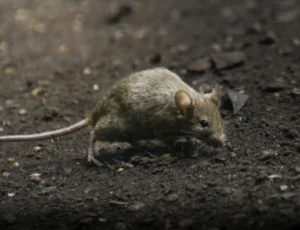
Mice also use their whiskers and sense of touch to explore their environment. They’re more likely to investigate sticky or textured foods.
Visual cues matter less to mice than smell. They don’t see very well, so the appearance of food doesn’t attract them as much as scent does.
Mice remember where they’ve found food before. If they found peanut butter in a certain location, they’ll return to that spot looking for more.
Mice in Your Home: What They’re Really After
If you have mice in your house, they’re not searching for your cheese. They’re after other things.
- Your pantry items are the main target.
Cereal, crackers, pasta, rice, flour, and sugar are all highly appealing to mice.
- Pet food is a huge attractant.
Dog food, cat food, and bird seed are like a buffet for mice.
- Crumbs and food debris are easy pickings.
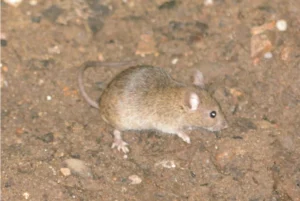
Mice will clean up whatever falls on your floor or gets left on counters.
- Garbage is another food source.
Mice will get into trash cans looking for anything edible.
- Fruits and vegetables left on counters will attract mice.
They’re particularly drawn to ripe or overripe produce.
If you have cheese in your home, mice might eat it. But they’re much more interested in your cereal, cookies, and bread.
Using the Right Bait Matters
When you’re trying to catch mice, using effective bait can make the difference between success and failure.
Cheese might catch some mice, but you’ll catch many more with better bait. Why make it harder on yourself?

Peanut butter is cheap, easy to use, and highly effective. A jar costs a few dollars and will bait dozens of traps.
Using the right bait means you catch mice faster. This reduces the time they have to reproduce and cause damage in your home.
Effective bait also means you can use fewer traps. One well-baited trap can be more effective than several poorly-baited ones.
Better bait reduces the chance of mice learning to avoid traps. If they consistently get treats from traps without getting caught, they’ll become trap-shy.
Other Mouse Bait Mistakes to Avoid
Using cheese isn’t the only mistake people make when baiting mouse traps.
- Using too much bait is a common error.
A huge glob of peanut butter lets the mouse eat without fully engaging the trap trigger.
- Old, dried-out bait doesn’t work well.
Refresh your bait every few days if you haven’t caught anything.
- Placing traps in the wrong locations is another issue.
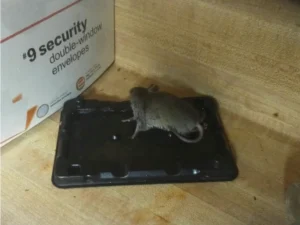
Mice travel along walls and edges, so traps should be placed there, not in the middle of rooms.
- Not using enough traps is a mistake.
If you have a serious infestation, one or two traps won’t be enough.
- Giving up too soon happens often.
Sometimes it takes a few days for mice to investigate new objects (like traps) in their territory.
Pet Mice and Cheese
If you have pet mice, you might wonder if you should feed them cheese.
Pet mice can eat small amounts of cheese as an occasional treat. But it shouldn’t be a regular part of their diet.
Cheese is high in fat and not nutritionally balanced for mice. Too much can lead to obesity and health problems.

Many adult mice are lactose intolerant. Large amounts of cheese can cause digestive upset.
Better treat options for pet mice include small pieces of fruit, vegetables, nuts, or small amounts of cooked egg.
Commercial mouse food formulated for pet mice is the best base diet. These foods are nutritionally balanced for mice.
If you do give your pet mouse cheese, choose low-fat varieties and offer only tiny amounts (a small nibble, not a chunk).
The Truth About Mice and Food
Mice are adaptable omnivores that will eat a wide variety of foods. But they definitely have preferences.
High-calorie foods are preferred because mice need lots of energy relative to their body size.
Sweet and starchy foods are especially attractive. Foods high in carbohydrates provide quick energy.

Strong-smelling foods are easier for mice to find. The stronger the scent, the more likely it is to attract mice.
Natural foods (grains, seeds, nuts, fruits) are preferred over processed foods, though mice will adapt to what’s available.
Individual mice might have slight variations in preference, but overall patterns are consistent across mouse populations.
Cheese just doesn’t fit the profile of foods mice naturally seek out. It’s not sweet, not particularly high in carbs, and often doesn’t smell as strong as other foods.
Conclusion
Mice don’t particularly like cheese. While they’ll eat it if it’s available and they’re hungry, cheese is not a preferred food. Mice are much more attracted to high-sugar and high-carbohydrate foods like peanut butter, chocolate, nuts, seeds, and grains.
The myth that mice love cheese comes from cultural associations and popular media, not from how mice actually behave. When setting mouse traps, skip the cheese and use peanut butter or other more effective baits instead.
Understanding what mice really like helps you deal with infestations more effectively. Use the right bait, place traps correctly, and you’ll have much better success catching these unwanted visitors.

Hi, my name is Ezra Mushala, i have been interested animals all my life. I am the main author and editor here at snakeinformer.com.