
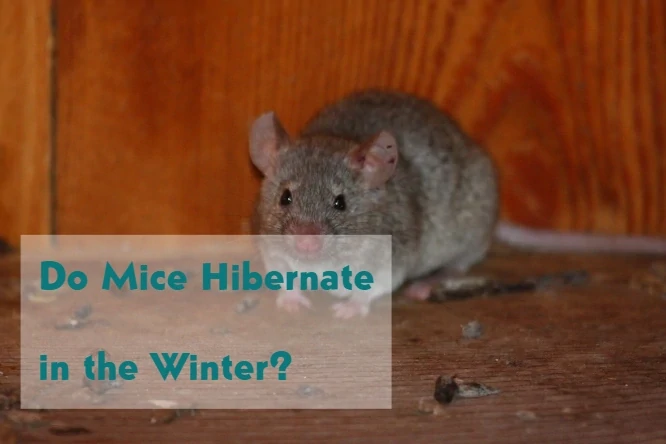
When cold weather arrives, many animals prepare for winter by hibernating. Bears sleep in caves, groundhogs burrow underground, and chipmunks disappear until spring.
You might wonder if mice do the same thing, especially since you rarely see them outside in freezing weather. Do mice hibernate in the winter?
No, mice don’t hibernate in the winter. They stay active all year round, searching for food and shelter. In cold weather, mice look for warm places to nest, which is why they often move into homes, garages, and other buildings during winter months.
Instead of hibernating, mice adapt to winter by finding protected areas, building warm nests, and becoming even more active indoors where it’s warm and food is available.
Why Mice Don’t Hibernate
Most small rodents don’t hibernate because their bodies aren’t built for it. Understanding why helps explain what mice do instead.
Hibernation requires animals to store huge amounts of body fat before winter. The fat provides energy while they sleep for months without eating.
Mice are too small to store enough fat to survive a long hibernation. Their small bodies have a high metabolism, which means they burn through energy really quickly.
A hibernating mouse would run out of stored energy and starve to death long before spring arrived. So instead of hibernating, mice stay active and keep eating throughout winter.
Mice also can’t lower their body temperature enough for true hibernation. Hibernating animals drop their body temperature close to freezing and slow their heart rate way down.
Mice can lower their metabolism slightly when it’s cold, but not enough to enter true hibernation. They need to stay warm and active to survive.
What Mice Do Instead of Hibernating
Since mice can’t hibernate, they’ve developed other strategies for surviving cold weather.
The most important strategy is finding shelter. When temperatures drop, mice look for warm, protected places to nest.
This is why you see more mice indoors during fall and winter. Your home provides everything a mouse needs: warmth, shelter from predators, and food.
Mice also build better nests in winter. They gather soft materials like paper, fabric, insulation, and plant fibers to create warm, insulated nests.
These nests are usually built in hidden spots like inside walls, under floors, in attics, or behind appliances. The nest keeps baby mice warm and provides a safe place to rest.
Mice huddle together for warmth. A group of mice in a nest can share body heat and stay warmer than a single mouse could alone.
They also become more nocturnal in winter. By being active at night when fewer predators are around, they reduce their risk while foraging for food.
Where Mice Go in Winter
Different mice species have different strategies for winter survival, but most look for warm, dry shelter.
House mice (the most common type) move into buildings whenever they can. They’re named “house mice” because they’ve adapted to living with humans.
In fall, house mice start looking for ways into homes. They can squeeze through holes as small as a dime, so they find tiny cracks and gaps you might not even notice.
Once inside, they nest in walls, attics, basements, closets, or anywhere dark and undisturbed. They’re especially drawn to areas near food sources like kitchens and pantries.
Field mice (also called deer mice) usually live outdoors in fields and forests. In winter, they nest under logs, in tree stumps, under thick vegetation, or in abandoned burrows.
Some field mice also move into buildings during extreme cold. Barns, sheds, garages, and outbuildings are common winter homes for field mice.
White-footed mice behave similarly to field mice. They build winter nests in protected outdoor areas or move into structures when weather gets harsh.
How Mice Stay Warm in Winter
Mice have several adaptations that help them survive cold weather without hibernating.
Their fur gets slightly thicker in fall and winter. This extra insulation helps them retain body heat.
Mice are constantly moving, which generates body heat. Even when they’re in their nest, they’re grooming, eating, or shifting around to stay warm.
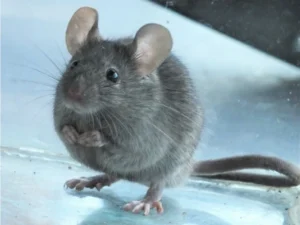
They eat more in winter to fuel their metabolism. A higher calorie intake helps them maintain body temperature in cold conditions.
Nest building is really important for winter survival. A good nest can be 10 to 20 degrees warmer inside than the outside air temperature.
Mice line their nests with the softest, most insulating materials they can find. They prefer shredded paper, fabric, cotton, and fine plant fibers.
Social huddling is another key strategy. Multiple mice sleeping together can maintain warmth much more efficiently than lone mice.
Why You See More Mice Indoors in Winter
If you’ve ever had a mouse problem, you probably noticed it got worse in fall and early winter. There are clear reasons for this seasonal pattern.
As outdoor temperatures drop, mice actively seek shelter. Your home is like a warm oasis in a freezing landscape.
Mice start looking for winter shelter in September or October (depending on your climate). By November, many have already moved inside.
Your home offers consistent warmth. Unlike outdoor nests, indoor areas stay roughly the same temperature day and night.
Food is easier to find indoors. Mice can raid your pantry, eat pet food, or scavenge crumbs instead of searching for scarce outdoor food sources.
There are fewer predators indoors. Outside, mice face threats from owls, hawks, foxes, cats, snakes, and other predators. Your home is a safe haven.
Indoor nesting sites are abundant. The spaces inside your walls, under appliances, in attics, and in storage areas provide perfect nesting spots.
Signs of Mice in Your Home
If mice have moved into your home for winter, there are telltale signs you can look for.
- Droppings are the most obvious sign.
Mouse droppings look like small, dark rice grains (about 1/8 to 1/4 inch long). You’ll find them along walls, in cupboards, or near food sources.
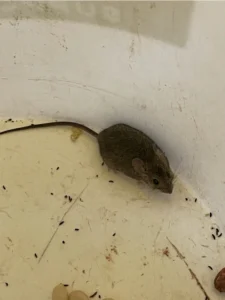
- You might hear scratching, scurrying, or squeaking sounds in walls, ceilings, or under floors.
These sounds are most common at night when mice are most active.
- Gnaw marks appear on food packaging, wood, wires, and plastic.
Mice need to constantly chew to keep their teeth from growing too long.
- You might find shredded paper, fabric, or insulation.
Mice collect these materials to build nests.
- Grease marks appear along walls and baseboards.
As mice travel the same routes repeatedly, the oils from their fur leave dark streaks.
- A musty, urine-like odor can indicate a large mouse infestation.
Mouse urine has a strong smell that gets worse over time.
- You might see mice themselves, especially if you suddenly turn on lights at night.
Seeing one mouse usually means there are many more hiding.
How Mice Survive Outdoors in Winter
Not all mice move indoors. Many survive winter in outdoor environments, though it’s much harder for them.
Outdoor mice build deeper, more insulated nests. They nest underground, under thick vegetation, or in protected spots like hollow logs.
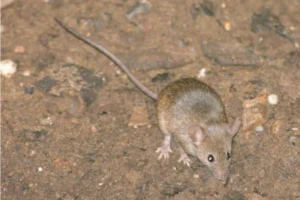
They cache (store) food during fall. Mice collect seeds, nuts, and other non-perishable foods and hide them near their nests.
These food caches let them stay in their warm nest during the worst weather instead of venturing out to forage.
Outdoor mice stay active under the snow. They create tunnels and runs beneath the snow layer, which actually insulates them from extreme cold.
This “subnivean” zone (the area between the ground and the snow) can be much warmer than the air above the snow. Mice can travel and forage in this protected space.
However, many outdoor mice don’t survive winter. Cold weather, lack of food, and predators kill a significant percentage of the outdoor mouse population each year.
Mouse Activity Patterns in Winter
Even though mice don’t hibernate, their behavior does change somewhat in winter.
- Mice become more nocturnal.
They do most of their foraging and exploring at night when it’s safer and predators are less active.
- They spend more time in their nests.
Instead of ranging widely like they do in warmer months, winter mice stay closer to their nest sites.
- Breeding slows down in winter, especially for outdoor mice.
House mice living in warm homes might breed year-round, but outdoor populations have fewer litters in winter.
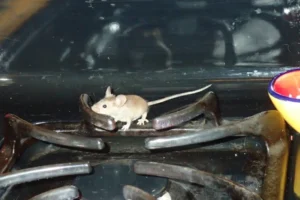
- Mice are more desperate for food in winter.
Outdoor food sources are scarce, so mice take more risks to find food.This makes them more likely to enter traps or try to get into buildings.
- They’re also more social in winter.
Mice that might be territorial in summer will share nests and huddle together for warmth during cold months.
Preventing Mice from Moving In
The best time to prevent mice from entering your home is before winter arrives. Here’s how to keep them out.
1. Seal all entry points in late summer or early fall.
Check your home’s foundation, walls, and roof for gaps, cracks, or holes.
2. Use steel wool and caulk to fill small holes.
Mice can’t chew through steel wool, and caulk seals the gaps.
3.Install door sweeps on all exterior doors.
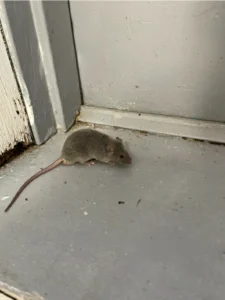
Mice can squeeze under doors with even tiny gaps.
4. Repair or replace damaged window screens.
Mice can climb and will enter through damaged screens.
5.Cover vents and chimneys with hardware cloth (metal mesh).
This allows air flow but keeps mice out.
5. Trim tree branches and shrubs away from your house.
Mice use these as highways to access your roof and upper floors.
6. Store firewood away from your home’s foundation.
Woodpiles are common nesting sites for mice.
7. Keep your home clean and don’t leave food out.
Store food in sealed containers and clean up crumbs promptly.
What Happens to Mouse Populations in Winter?
Winter has a big impact on overall mouse populations, even though individual mice don’t hibernate.
Many outdoor mice die during winter. Cold weather, food scarcity, and predators kill a large percentage of outdoor mice.
Mouse populations often drop by 50% or more over winter in outdoor environments. Spring populations are usually much smaller than fall populations.
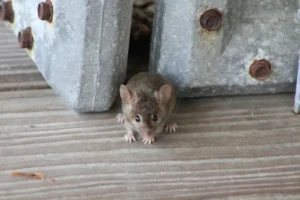
However, indoor mice are protected from these factors. Mice living in homes, buildings, or heated structures can breed all winter long.
This means that indoor infestations can actually get worse over winter. A pair of mice can produce dozens of offspring in a few months.
Come spring, surviving outdoor mice breed rapidly. The population rebounds quickly as weather warms and food becomes available.
This is why mouse problems seem to cycle with the seasons. Fall brings mice indoors, winter kills outdoor populations, spring brings rapid breeding, and summer sees peak mouse activity.
Other Rodents That Don’t Hibernate
Mice aren’t the only rodents that stay active all winter. Understanding which rodents hibernate and which don’t can help with pest control.
Rats (both Norway rats and roof rats) don’t hibernate. Like mice, they look for warm shelter and stay active year-round.

Squirrels don’t truly hibernate. They become less active in winter and sleep more, but they wake up regularly to eat from their food caches.
Chipmunks do hibernate, but not continuously. They wake up every few days to eat stored food, then go back to sleep.
Groundhogs (woodchucks) are true hibernators. They sleep deeply from fall to early spring without waking.

Prairie dogs don’t hibernate. They retreat to their burrows during bad weather but stay active all winter.
Understanding these patterns helps you know which pests to watch for during different seasons.
Dealing with Winter Mice
If mice have already moved into your home for winter, you need to deal with them quickly.
- Set snap traps along walls and in areas where you’ve seen signs of mice.
Mice travel along edges, not in open spaces.
- Use peanut butter, chocolate, or dried fruit as bait.
These foods smell strong and attract mice effectively.
- Check traps daily and dispose of dead mice promptly.
Wear gloves and seal dead mice in plastic bags.
- Electronic traps are also effective.
They deliver a quick shock and contain the dead mouse inside.
Live traps work if you want to catch and release, but you need to release mice at least a mile away or they’ll come back.
Don’t use poison if you can avoid it. Poisoned mice often die inside walls where you can’t reach them, causing terrible smells.
- After catching mice, seal all entry points so more can’t get in.
Clean and disinfect areas where mice have been.
Long-Term Mouse Prevention
Once you’ve dealt with an infestation, take steps to prevent mice from returning next winter.
- Maintain your home year-round.
Check regularly for new gaps or damage that could let mice in.
- Keep food stored properly at all times, not just in winter.
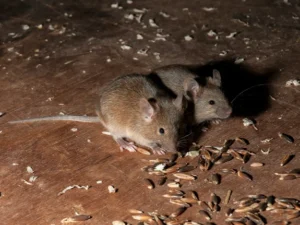
Mice are less likely to target homes where food isn’t easily available.
- Reduce clutter in storage areas.
Mice love hiding in boxes, piles of papers, and other cluttered spaces.
- Keep pet food in sealed containers and don’t leave it out overnight.
Pet food is a major attractant for mice.
- Take out garbage regularly and use cans with tight-fitting lids.
Garbage attracts mice and provides food sources.
- Consider getting a cat.
Cats are natural mouse hunters and their presence alone can deter mice from entering.
- Stay vigilant.
Even with good prevention, check for signs of mice regularly, especially as fall approaches each year.
Conclusion
Mice don’t hibernate in winter. Instead, they stay active year-round, searching for food and warm shelter. When temperatures drop, mice seek out protected areas, and that’s why they often move into homes during fall and winter.
Understanding that mice don’t hibernate helps explain why you see more mouse activity indoors during cold months. They’re not coming out of hibernation but actively seeking the warmth, food, and safety that your home provides.
The best approach is prevention. Seal entry points before winter arrives, store food properly, and keep your home clean to make it less attractive to mice looking for winter shelter.

Hi, my name is Ezra Mushala, i have been interested animals all my life. I am the main author and editor here at snakeinformer.com.