
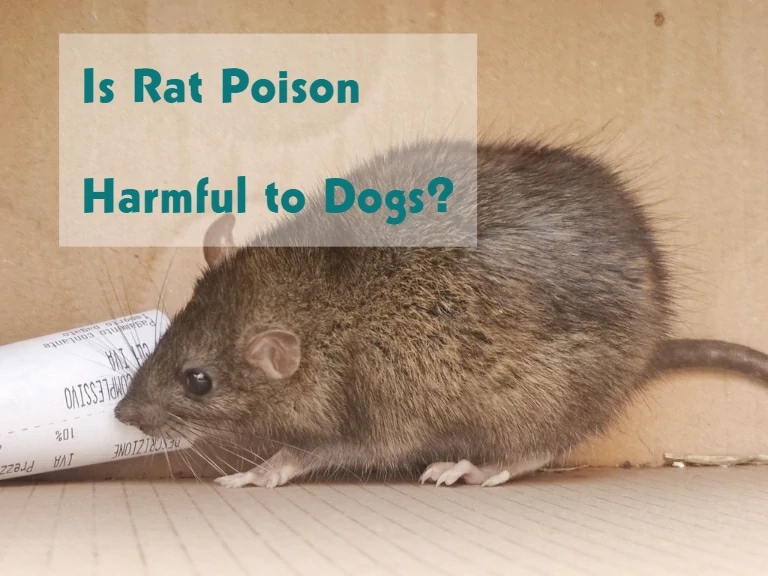
Rat poison is designed to kill rodents, but many pet owners worry about what might happen if their dog gets into it. Whether you use rat poison at home or your dog finds some on a walk, it’s important to know the risks. Is rat poison harmful to dogs?
Yes, rat poison is extremely harmful to dogs and can be deadly even in small amounts. Different types of rat poison work in different ways, but all of them can cause serious internal bleeding, organ failure, or death if your dog eats them.
Rat poison doesn’t just affect rats. It’s toxic to all mammals, including dogs. Even a small amount can cause life-threatening problems, and symptoms might not show up for days after your dog eats the poison.
How Rat Poison Works
Rat poison comes in different types, and each one works differently to kill rodents. Understanding how they work helps you understand why they’re so dangerous to dogs.
The most common type is anticoagulant poison. This stops blood from clotting properly, which leads to internal bleeding. Rats (and dogs) who eat this poison slowly bleed to death internally over several days.

Another type is bromethalin poison. This attacks the nervous system and causes the brain to swell. It’s extremely toxic and even tiny amounts can be deadly.
Cholecalciferol poison causes a buildup of calcium in the blood. This damages the kidneys and other organs. It’s sometimes marketed as a “safer” alternative, but it’s just as deadly to dogs.
Phosphide poisons (like zinc phosphide) create toxic gas when they mix with stomach acid. This gas damages the lungs, heart, and other organs.
All of these poisons work slowly on purpose. The idea is that rats will eat multiple doses before they realize something is wrong. But this also means dogs can eat a lot before you even know there’s a problem.
Why Dogs Eat Rat Poison
You might wonder how a dog would ever eat rat poison in the first place. Unfortunately, it happens more often than you’d think.
Most rat poison is designed to taste good to rodents. Manufacturers add flavors like peanut butter, fish meal, or grain to make it appealing. These same flavors smell and taste good to dogs too.
Dogs are naturally curious and will eat things that smell interesting. If they find rat poison lying around, many dogs will taste it or eat the whole thing.
Rat poison often comes in colorful blocks or pellets that look like treats or toys to a dog. They don’t know the difference between a poison block and a dog treat.
Some dogs eat poisoned rats or mice. If a rat eats poison and then your dog catches and eats that rat, your dog can get poisoned too. This is called secondary poisoning.
Dogs with separation anxiety or destructive behavior might chew on anything they find, including rat poison containers. Even “pet-proof” containers aren’t always dog-proof.
Symptoms of Rat Poison in Dogs
The symptoms depend on what type of poison your dog ate and how much they ate. Some symptoms show up quickly, while others take days.
With anticoagulant poisons (the most common type), symptoms usually don’t appear for 2 to 5 days. Early signs include tiredness, not wanting to eat, coughing, and trouble breathing.
As the internal bleeding gets worse, you might see pale gums, bloody stool or vomit, nosebleeds, or blood in their urine. Your dog might also have trouble walking or seem weak and wobbly.
Bromethalin poisoning shows up faster, usually within 2 to 24 hours. Symptoms include tremors, seizures, extreme sensitivity to touch, paralysis in the back legs, and changes in behavior.

Cholecalciferol poisoning symptoms appear within 12 to 36 hours. Your dog might drink a lot of water, urinate frequently, vomit, have diarrhea, or seem really tired. These symptoms can quickly progress to kidney failure.
Phosphide poisoning acts very fast, sometimes within 15 minutes to 4 hours. Your dog might vomit (and the vomit might smell like garlic or rotten fish), have trouble breathing, seem bloated, or have seizures.
If you see any of these symptoms and you know or suspect your dog ate rat poison, get to a vet immediately. Every minute counts.
What to Do If Your Dog Eats Rat Poison
If you catch your dog eating rat poison or think they might have eaten some, act fast. Time is really important with poison cases.
Call your vet or an emergency animal hospital right away. Don’t wait to see if symptoms appear. Tell them what type of poison your dog ate if you know (bring the package if you have it).
If you can’t reach a vet immediately, call the Pet Poison Helpline at (855) 764-7661 or the ASPCA Animal Poison Control Center at (888) 426-4435. These hotlines are available 24/7 (there’s usually a fee, but it’s worth it).
Don’t try to make your dog vomit unless a vet specifically tells you to. Some types of poison can cause more damage coming back up.
If your dog just ate the poison (within the last hour or two), your vet might induce vomiting to get it out of their system. The sooner this happens, the better.
Bring the poison packaging with you to the vet. The exact product name and active ingredient help the vet know exactly what they’re dealing with and how to treat it.
Don’t wait for symptoms to appear. Some rat poisons take days to show effects, but by then the damage might be severe. Early treatment gives your dog the best chance of survival.
Treatment for Rat Poison in Dogs
Treatment depends on what type of poison your dog ate, how much, and how long ago they ate it.
For anticoagulant poisons, the antidote is vitamin K1. Your vet will give your dog high doses of vitamin K1 for several weeks (usually 3 to 4 weeks, but sometimes longer).
Your dog might need blood transfusions if they’re already bleeding internally. They’ll also need careful monitoring to make sure the bleeding stops and doesn’t start again.
For bromethalin poisoning, there’s no specific antidote. Treatment involves inducing vomiting if the poison was eaten recently, giving activated charcoal to absorb any remaining poison, and supportive care.

Cholecalciferol poisoning requires IV fluids to flush the kidneys, medications to lower calcium levels, and close monitoring of kidney function. Severe cases might need dialysis.
Phosphide poisoning also has no antidote. Treatment focuses on removing the poison from the stomach (if possible), protecting the stomach lining, and supportive care.
All treatments work best when started early. The longer you wait, the more damage the poison does and the harder it becomes to save your dog.
Your dog will probably need to stay at the vet hospital for at least a day or two, sometimes longer for severe cases. They’ll need blood tests, monitoring, and ongoing treatment.
How Much Rat Poison Is Dangerous?
Even very small amounts of rat poison can be dangerous to dogs. The toxic dose depends on the type of poison and your dog’s size.
For anticoagulant poisons, eating just 0.01 mg per kilogram of body weight can be toxic. For a 20-pound dog, that’s less than 0.1 mg. Most rat poison blocks contain way more than this.
Bromethalin is even more dangerous. Just 2.5 mg per kilogram can cause symptoms, and 5 mg per kilogram can be deadly. A single poison block can contain enough to kill a medium-sized dog.
Cholecalciferol is extremely toxic. As little as 0.1 mg per kilogram can cause problems, and 1 to 2 mg per kilogram can be lethal.
The bottom line is: there’s no safe amount of rat poison for a dog to eat. If your dog eats any rat poison at all, treat it as an emergency.
Smaller dogs are at higher risk because a small amount of poison is a bigger dose relative to their body weight. But large dogs aren’t safe either since they can eat larger amounts of poison.
Long-Term Effects of Rat Poison
If your dog survives rat poison, they might have lasting health problems depending on how much damage the poison did.
Dogs who had severe internal bleeding might have long-term organ damage. The kidneys, liver, and brain are especially vulnerable.
Some dogs develop chronic bleeding disorders after anticoagulant poisoning. They might need to stay on vitamin K1 supplements for extended periods.
Bromethalin poisoning can cause permanent neurological damage. Dogs might have ongoing tremors, seizures, or difficulty walking even after treatment.
Kidney damage from cholecalciferol poisoning might be permanent. Your dog could need a special diet and medications for the rest of their life.
Regular follow-up vet visits are really important after rat poison treatment. Your vet will need to do blood tests to make sure your dog is recovering properly.
The good news is that many dogs do make a full recovery if they get treatment quickly. The key is catching it early before major damage happens.
Preventing Rat Poison Accidents
The best way to protect your dog is to prevent exposure to rat poison in the first place.
If you use rat poison at home, place it where your dog absolutely can’t reach it.
Behind appliances, in locked cabinets, or in areas your dog never goes are better options.

Use tamper-resistant bait stations. These are boxes that rats can get into but dogs (theoretically) can’t. But remember, determined dogs can sometimes break into these, so they’re not foolproof.
Consider alternatives to rat poison. Snap traps, electric traps, or catch-and-release traps don’t pose a risk to pets. You can also try natural deterrents like peppermint oil.
Let your neighbors know you have a dog. If they’re planning to use rat poison, ask them to be careful with placement or give you a heads up.
On walks, watch your dog carefully and don’t let them eat things off the ground. Rat poison is sometimes placed in public areas to control rodent populations.
Train your dog to “leave it” on command. This can save their life if they find rat poison or poisoned rodents while you’re out.
Keep your yard clean and free of things that attract rodents. If there are no rats around, you won’t need rat poison in the first place.
Signs to Watch for After Treatment
After your dog is treated for rat poison, you’ll need to watch them closely at home for any signs of problems.
Check their gums regularly. They should be pink and healthy looking. Pale or white gums mean your dog might be bleeding internally again.
Watch for any bleeding. Check their stool for blood (it might look black and tarry), watch for blood in urine, and look for bruises on their skin or belly.
Monitor their energy level. If your dog suddenly becomes really tired or weak after seeming better, call your vet right away.
Keep them calm and quiet. No running, jumping, or rough play for at least a few weeks after treatment. Physical activity can trigger bleeding in dogs recovering from anticoagulant poisoning.
Give all medications exactly as prescribed. Don’t skip doses of vitamin K1 or any other medications your vet prescribed.
Bring your dog back for follow-up blood tests. Your vet needs to check clotting times to make sure your dog is healing properly and to know when it’s safe to stop treatment.
Secondary Poisoning from Eating Poisoned Rodents
Your dog doesn’t have to eat rat poison directly to get poisoned. They can also get sick from eating a rat or mouse that ate poison.
When a rat eats poison, the poison stays in their body for a while before they die. If your dog catches and eats this rat, they’re eating the poison too.
Anticoagulant poisons are especially likely to cause secondary poisoning because rats eat multiple doses before dying. A rat can have a lot of poison in their system when your dog eats them.
Predators like dogs, cats, hawks, and owls are all at risk of secondary poisoning. This is one reason why wildlife experts don’t recommend using rat poison outdoors.
The symptoms and treatment are the same whether your dog ate poison directly or ate a poisoned rat. If you see your dog eat any dead rodent, watch them closely and call your vet if they seem sick.
Prevention is key. Don’t let your dog eat dead rats or mice, even if you think they died naturally. Train them to leave dead animals alone on walks.
Safer Alternatives to Rat Poison
If you have a rodent problem, there are safer options that won’t put your dog at risk.
Snap traps are the classic option. They kill rats instantly and don’t use any poison. Place them in areas where your dog can’t reach them.
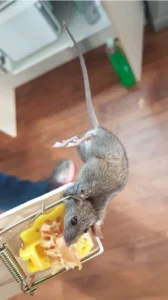
Electric traps deliver a quick, humane shock that kills rodents instantly. They’re contained in a box so your dog can’t access them.
Live traps let you catch rodents and release them far from your home. This is the most humane option for the rats, though you’ll need to drive them pretty far away.
Ultrasonic repellents emit sounds that bother rodents but humans and dogs can’t hear. Results are mixed, but they’re worth trying as a non-toxic option.
Seal up entry points in your home. If rats can’t get in, you won’t have a rat problem. Fill holes with steel wool and caulk.
Remove food sources. Don’t leave pet food out, keep garbage in sealed containers, and clean up fallen fruit or birdseed from your yard.
Get a cat. Some cats are excellent mousers (though not all cats care about hunting). Just make sure the cat doesn’t eat poisoned rodents either.
Conclusion
Rat poison is extremely harmful to dogs and can be deadly even in small amounts. All types of rat poison can cause serious health problems, from internal bleeding to organ failure to neurological damage.
If your dog eats rat poison, get to a vet immediately. Don’t wait for symptoms to appear since some types of poison take days to show effects. The sooner your dog gets treatment, the better their chances of survival.
The best approach is prevention. Keep rat poison out of reach, consider safer alternatives for rodent control, and watch your dog carefully on walks to make sure they don’t eat poison or poisoned rodents.

Hi, my name is Ezra Mushala, i have been interested animals all my life. I am the main author and editor here at snakeinformer.com.