

When you spot a mouse in your home during winter, you might wonder if it’s just seeking warmth or if it’s planning to raise a family.
Most people think animals stop having babies when it gets cold, but mice don’t follow that rule in all situations. So, do mice have babies or breed in winter?
Yes, mice can have babies in winter if they’re living somewhere warm with enough food. While outdoor mice might slow down breeding in cold weather, mice that have moved into your home can breed year-round because they have the warmth and food they need.
The important thing to understand is that winter often drives mice indoors, where they find perfect conditions for raising babies. This means winter can actually be a peak breeding season for indoor mice.
How Does Mouse Reproduction Actually Work?
To understand why mice breed in winter, you first need to know how fast mice can reproduce.
Female mice can get pregnant starting at just 6-8 weeks old. They mature incredibly quickly, which is why mouse populations can explode so fast.
Males reach sexual maturity at about the same age. This means baby mice born in October can start having their own babies by December.
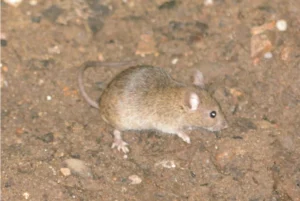
The gestation period is only 19-21 days. That’s less than three weeks from conception to birth. Compare that to larger animals, and you can see why mice multiply so rapidly.
A female mouse can have 5-10 litters per year under good conditions. Each litter contains 5-6 babies on average, though some can have up to 12.
One female can produce 32-56 babies in a single year. And those babies will start reproducing within weeks, creating exponential population growth.
Female mice come into heat every 4-5 days when they’re not pregnant. This means they have frequent opportunities to get pregnant throughout the year.
They can also get pregnant again within 24 hours after giving birth. This is called postpartum heat, and it means a female doesn’t need recovery time between litters.

Mice are spontaneous ovulators, meaning their reproductive system is always ready. Unlike some animals that only ovulate during certain seasons, mice can conceive any time conditions are right.
This reproductive strategy is about survival. In the wild, mice face many predators. Having lots of babies quickly ensures some will survive to adulthood.
Why Your Warm Home is the Perfect Winter Breeding Spot
When mice move into your home for winter, they find conditions that support breeding perfectly.
- Temperature is the main factor.
Mice need warmth to breed successfully. Indoor temperatures in heated homes stay around 68-72°F year-round.
To a mouse, your warm house in January feels just like summer. There’s nothing about the temperature that signals winter.
- Food availability matters just as much.
Mice won’t breed if food is scarce. Your home provides constant access to food in pantries, pet bowls, and crumbs.
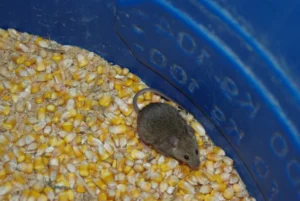
Even small amounts of food are enough. Mice only eat about 3-4 grams of food per day, so they don’t need much to support pregnancy and nursing.
- Safe nesting sites are abundant indoors.
Female mice need protected spots to build nests and raise babies. Your home offers these in walls, attics, cabinets, and storage areas.
These locations are protected from weather, predators, and most disturbances. They’re ideal nurseries.
- No predators is a huge advantage.
Outdoors, mice face threats from owls, hawks, snakes, cats, and other predators. Inside your home, these threats disappear.
Without worrying about predators, mice can focus their energy on reproduction.
- Winter actually drives more mice indoors.
As temperatures drop, mice actively seek warm shelter. Once inside, they discover ideal breeding conditions.
This creates a cycle where cold weather brings mice in, then they breed and create larger populations that stay through spring.
- Reduced competition helps too.
In early winter, there might not be many other mice in your home yet. The first mice to move in have access to all the resources without competition.
This makes it easier for them to successfully raise multiple litters.
Can Mice Still Breed Outdoors When It’s Freezing?
While indoor mice breed well through winter, outdoor mice face bigger challenges.
In mild climates, outdoor mice can breed year-round. Areas where winter temperatures stay above 50°F most of the time allow continuous breeding.
Southern states, coastal regions, and places with Mediterranean climates see outdoor mice breeding through winter.
In cold climates, outdoor breeding slows way down. When temperatures drop below freezing consistently, outdoor mice struggle to breed.
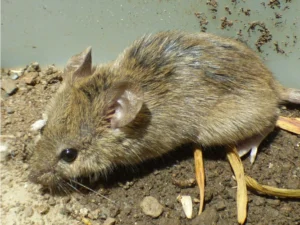
The energy required to stay warm leaves less energy for reproduction.
Food scarcity limits breeding even more. In winter, natural food sources like seeds, insects, and plant material become hard to find.
Female mice won’t come into heat if food is too scarce. Their bodies know there’s no point having babies that will starve.
Some outdoor mice find warm microhabitats. Haystacks, compost piles, and spaces under buildings can stay warmer than the surrounding environment.
Mice in these protected spots might continue breeding while mice in more exposed areas stop.
Shorter days affect some mouse populations. The reduced daylight in winter signals to some outdoor mice to slow reproduction.
However, this effect is weaker in mice than in many other animals. Mice are opportunistic breeders who will reproduce whenever possible.
Urban outdoor mice have advantages. Cities provide heat from buildings, pavement that absorbs sun, and underground utilities that stay warm.

Cities also offer more food from garbage and dumpsters. Urban outdoor mice might breed through winter even in cold climates.
Snow cover can actually help some mice. A layer of snow insulates the ground beneath, creating a space where mice can move and nest.
This subnivean zone stays around 32°F even when air temperature is much colder. It’s not ideal for breeding, but better than exposed areas.
Signs That Mice Are Raising a Family in Your House
If mice are breeding in your home, there are specific signs that give it away.
1. High-pitched squeaking is the most obvious clue.
Baby mice make distinctive squeaky sounds, especially when the mother is away or when they’re hungry.
If you hear squeaking from inside walls, cabinets, or hidden spaces, there’s probably a nest with babies.
2. Increased mouse activity means breeding is happening.
When a female has babies, both parents work harder to gather food and materials.
You might see more droppings, hear more scratching at night, or see mice more frequently.
3. Nesting materials appear around your home.
Mice gather soft items like shredded paper, fabric, insulation, cotton, or plant fibers to build nests.
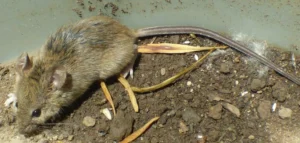
If you find piles of these materials or notice paper products being torn up, mice are preparing for or already have babies.
4. You might discover the nest itself.
Mouse nests are ball-shaped, about 4-6 inches in diameter, made of soft shredded materials.They’re hidden in protected spots like inside walls, in storage boxes, under appliances, or in attics.
Baby mice in nests are pink and hairless at first. Newborn mice are blind, deaf, and completely helpless. They don’t grow fur until about a week old.
They don’t open their eyes until 10-12 days after birth.
5. More droppings accumulate faster.
Pregnant and nursing females eat more to support their bodies and milk production, which means more waste.
You might notice fresh droppings appearing more quickly than before.
6. Different sizes of droppings indicate multiple ages.
Adult mouse droppings are about 1/4 inch long, while young mice produce smaller droppings.
Finding various sizes suggests babies are growing up.
7. Grease marks on walls become more obvious.
Mice travel the same routes repeatedly, leaving oily marks from their fur.
When a female is nursing, she makes more trips between food sources and the nest, creating darker, more visible marks.
Where Are the Most Common Places for Winter Nests?
Knowing where mice prefer to nest helps you search for and eliminate breeding sites.
- Inside walls is the most common nesting location.
The space between your walls stays warm from your heating system and offers complete protection.
Mice can access wall voids through small gaps and holes, then build nests between the studs.
- Attics provide excellent nesting conditions.
They’re warm (heat rises), quiet, dark, and rarely disturbed. Insulation material makes perfect nesting material.

Check corners, under insulation, and near the eaves for signs of mice.
- Under kitchen cabinets is popular because it’s close to food sources.
The back corners of lower cabinets, especially under the sink, offer hidden nesting spots.
Mice can access these areas through small gaps around pipes.
- Behind and under appliances work well.
The space behind refrigerators, stoves, dishwashers, and water heaters stays warm and protected.
These areas are also rarely cleaned, so mice can nest undisturbed.
- In stored items and clutter, mice love nesting.
Boxes of old clothes, stacks of papers, stored furniture, and any cluttered storage area provides both nesting material and cover.
Mice will shred cardboard boxes and fabric to build nests right inside stored items.
- Furniture offers hiding spots too.
Inside upholstered furniture, behind drawers, or in the base of couches and recliners can all become nesting sites.
If your furniture has small tears or openings, mice might get inside.
- Garage and shed areas attract mice when attached to the house.
Even though these spaces might be cooler, they’re still warmer than outside.
Stored items in garages create ideal nesting opportunities.
- Basements and crawl spaces work for mice despite being cooler.
They’re protected from weather and often have stored items or clutter for nesting.
Mice in these areas might move to warmer parts of the house when babies arrive.
- Vehicle engine compartments become nests in some cases.
Mice climb into cars through small openings and nest on or near the engine where it stays warm.
This is more common with vehicles that sit unused during winter.
How To Prevent Mice From Breeding in Your Home
The best strategy is preventing mice from breeding in the first place.
1. Seal entry points before winter arrives.
Mice are looking for ways inside as weather cools. Block them out before they find a way in.
Inspect your home’s exterior thoroughly. Look for gaps around pipes, vents, utility lines, foundation cracks, and spaces under doors.
Mice can squeeze through openings as small as 1/4 inch (about the size of a dime). If you can fit a pencil through a gap, a mouse can probably fit through.
Use steel wool stuffed into holes and sealed with caulk. Mice can’t chew through steel wool, and the caulk holds it in place.
For larger gaps, use hardware cloth (metal mesh) or metal flashing. Make sure materials are durable enough that mice can’t gnaw through them.
Check high areas too. Mice are excellent climbers, so inspect your roofline, where utilities enter on upper floors, and around all vents.
2. Store food in mouse-proof containers.
Mice won’t stay if there’s no food, and they definitely won’t breed.
Put all food in thick plastic or glass containers with tight-fitting lids. This includes cereals, grains, pet food, and bird seed.
Don’t leave food in original packaging. Mice can easily chew through paper, cardboard, and thin plastic bags.
Clean up after meals immediately. Wipe counters, sweep floors, and don’t leave dirty dishes overnight.
Even tiny crumbs are enough to feed mice and support breeding.
3. Take garbage out regularly and use bins with secure lids.
Don’t let garbage accumulate inside your home.
Outside bins should be sealed and ideally kept away from the house.
4. Reduce clutter in storage areas.
Clutter provides nesting material and hiding spots. Keep basements, attics, and closets organized.
Store items in sealed plastic bins rather than cardboard boxes. Leave space between stored items and walls so you can inspect for mice.
5. Fix any moisture problems.
Mice need water to survive. Leaky pipes, dripping faucets, or condensation problems provide water sources.
Repair leaks and address moisture issues to make your home less attractive.
6. Trim vegetation away from your house.
Trees, bushes, and vines touching your home give mice easy access to your roof and walls.

Cut branches back at least 3 feet from the structure.
7. Remove outdoor hiding spots.
Get rid of brush piles, junk, old equipment, and anything else mice could nest under near your home.
Stack firewood at least 20 feet away from the house and elevate it off the ground.
What Should You Do If the Breeding Has Already Started?
If you’ve discovered that mice are breeding in your home, quick action is important.
- Set traps immediately.
Don’t wait to see if the problem resolves itself. It won’t. You need to start catching mice right away.
Use snap traps or electronic traps. Place them along walls where you’ve seen activity. Bait with peanut butter, which mice love.
You’ll need multiple traps. Start with at least 6-12 traps depending on how bad the infestation seems.
- Check traps twice daily.
Remove caught mice and reset traps immediately. Dispose of dead mice in sealed plastic bags in outdoor garbage.
Live traps are an option if you prefer, but be aware that released mice often return or just move to a neighbor’s property.
- Find and remove nests if you can access them.
If you’ve located a nest in an attic, garage, or cabinet, remove it carefully.
Wear gloves and an N95 mask because mouse nests contain droppings and urine that can carry diseases.
- Seal the nest in plastic bags and dispose of it in outdoor trash immediately.
If there are live baby mice, they can’t survive without the mother. You can either leave them (they’ll die within a day or two) or humanely euthanize them.
Some people contact animal control or wildlife rescue for advice on handling baby mice.
- Seal entry points while controlling the population.
You need to both eliminate current mice and prevent new ones from entering.
However, make sure you’re not trapping mice inside walls. Do this after you’ve caught the mice or confirmed they’re leaving.
- Clean and disinfect all affected areas.
After removing mice and nests, thoroughly clean with a disinfectant to eliminate smells and pathogens.
Spray droppings with a bleach solution (1 part bleach to 10 parts water) before wiping them up. Never vacuum droppings because this spreads particles in the air.
- Monitor for continued activity.
Even after you think the mice are gone, keep checking for signs and keep a few traps set.
If you catch more mice after your initial effort, you either missed some or new ones are getting in.
When Is It Time to Call in the Professionals?
Sometimes a mouse problem requires professional pest control.
If you’re catching multiple mice every day despite your efforts, you have a large infestation. A professional can assess the full scope and use stronger methods.
Pest control companies have access to professional-grade traps and treatments that aren’t available to homeowners.
When you can’t find how mice are getting in, an exterminator can help. They’re trained to spot entry points that homeowners typically miss.
They know the common weak spots in different types of buildings and construction.
If mice are breeding in walls and you can’t access the nests, professionals have specialized tools and techniques.
They might use cameras, tracking powder, or other methods to locate hidden populations.
When you have health concerns or are pregnant, don’t handle mouse control yourself. The disease risk from droppings and urine is too high.
Pregnant women especially should avoid any contact with mice due to risks from certain viruses.
If the infestation is in a difficult area like inside walls or under a concrete slab, professionals have the equipment to handle it.
They might need to open walls or use techniques that require specialized training.
For recurring problems where mice keep coming back, an exterminator can identify why your control methods aren’t working.
There might be entry points you’re missing or attractants you haven’t addressed.
Conclusion
Mice definitely have babies in winter when they’re living indoors with warmth and food. The heating in your home creates perfect breeding conditions year-round.
This makes winter a critical time for mouse prevention.
A small problem in November can become a major infestation by spring if mice breed unchecked through the cold months.
Don’t assume mice will leave or slow down on their own. Instead, seal your home before winter, eliminate food sources, and act immediately if you see any signs of mice.
The goal is to keep mice out entirely so they never have the chance to establish breeding populations in your home.

Hi, my name is Ezra Mushala, i have been interested animals all my life. I am the main author and editor here at snakeinformer.com.