
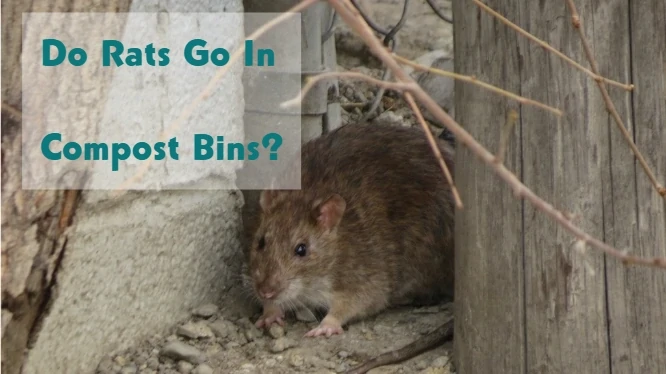
Compost bins are a great way to turn your kitchen scraps and yard waste into rich soil for your garden.
But if you’ve ever noticed signs of rodents around your compost, you might be wondering if rats are actually getting inside. So, do rats go in compost bins?
Yes, rats will go in compost bins if they can access them. Compost bins provide food, warmth, and shelter, making them really attractive to rats. They’re especially drawn to bins that contain meat, dairy, oils, or cooked food scraps.
Rats are opportunistic feeders and they’re always looking for easy food sources.
If your compost bin isn’t properly secured or if you’re adding the wrong types of food waste, you’re basically setting up a buffet for these rodents.
Why Rats Are Attracted to Compost Bins
Rats don’t just randomly show up at compost bins. They’re drawn there for specific reasons, and understanding these reasons can help you keep them away.
First, compost bins are full of food. Even if you’re only composting vegetable scraps and yard waste, that’s still food to a rat.
But the real problem starts when people add things they shouldn’t.
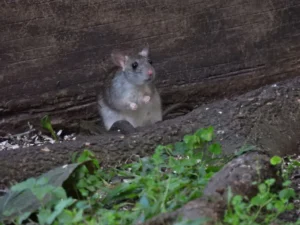
Meat scraps, fish bones, dairy products, and oily foods are like magnets for rats. These foods smell really strong, and rats can detect these smells from pretty far away.
Their sense of smell is incredibly sharp. A rat can smell food from over 100 feet away, so even a small piece of leftover pizza crust in your compost can attract them to your yard.
But it’s not just about food. Compost bins also provide warmth, especially during colder months. As organic material breaks down, it creates heat through the composting process.
This heat makes compost bins a cozy place for rats to nest and stay warm. The temperature inside an active compost pile can reach 130-160°F in the center, but the edges stay warm without being too hot.

Also, compost bins offer shelter and protection. The pile of decomposing material creates hiding spots where rats can build nests away from predators.
If your bin has loose materials like straw, paper, or cardboard, rats will use these to build comfortable nests.
The structure of many compost bins makes them even more appealing. Bins with gaps, holes, or loose-fitting lids give rats easy access while still providing some cover from the outside world.
Signs That Rats Are in Your Compost Bin
If you’re not sure whether rats are actually visiting your compost, there are several telltale signs you can look for.
- Rat droppings are usually the first clue.
Rat poop is dark brown or black, shaped like small pellets, and about 1/2 to 3/4 inch long.
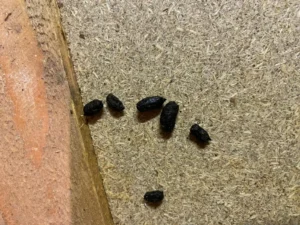
If you see these around or inside your compost bin, you’ve got rats.
- You might also notice tunnels or holes in your compost pile.
Rats dig through compost to create pathways and nesting spots. These tunnels can be 2-3 inches in diameter.
- Another sign is disturbed compost.
If your pile looks like it’s been dug through or scattered around, rats have probably been foraging for food.
They’ll push material aside to get to the good stuff buried deeper in the pile.
- You might see gnaw marks on your bin itself.
Rats have strong teeth that never stop growing, so they constantly gnaw on things to keep them worn down.
Look for fresh scratches or bite marks on wooden bins or even plastic ones.
- Tracks and footprints around the bin are another giveaway.
Rat footprints are small and show four toes on the front feet and five on the back feet. You might see these in mud or dusty areas around your compost.
- Strange smells can also indicate a rat problem.
While compost naturally has an earthy smell, a strong, musky odor might mean rats are nesting in the pile or have died inside.
- If you hear scratching or rustling sounds coming from your compost bin, especially at night, that’s a pretty clear sign
Rats are mostly active at night, so that’s when you’re most likely to hear them.
Types of Compost Bins and Rat Access
Not all compost bins are equally vulnerable to rats. The type and design of your bin makes a big difference in whether rats can get inside.
Open compost piles are the most vulnerable. These are just heaps of composting material with no container at all. Rats can easily access these from any side, and there’s nothing to stop them from digging in.
Basic wire or wood bins offer minimal protection. While they contain the compost, they usually have large gaps that rats can squeeze through.
Rats can fit through holes as small as 1/2 inch in diameter.
 Plastic compost bins with lids are better, but only if they’re properly secured. Many plastic bins have loose-fitting lids that rats can push open or gaps at the bottom where they can enter.
Tumbling composters are generally more rat-resistant. These are enclosed drums that you rotate to mix the compost.
Since they’re sealed and lifted off the ground, rats have a harder time getting inside.
But even tumbling composters aren’t perfect. If the door doesn’t close tightly or if there are cracks in the plastic, determined rats can still get in.
Enclosed compost bins with solid sides and secure lids are your best bet. These bins sit directly on the ground but have walls that rats can’t chew through and lids that lock or seal tightly.

Some cities actually require rat-proof compost bins. These are specifically designed with hardware cloth bottoms, secure latches, and no gaps larger than 1/4 inch.
The location of your bin matters too. Bins placed against fences, walls, or under bushes give rats cover and make them feel safe approaching.
Bins in open areas are less appealing.
How Rats Actually Get Into Compost Bins
Rats are surprisingly clever and persistent when it comes to accessing food sources. They have several ways of getting into compost bins.
The most obvious way is through openings. If your bin has gaps, holes, or a loose lid, rats will find them. They can squeeze through incredibly small spaces because their bodies are flexible.
A rat’s skull is the widest part of its body. If it can get its head through an opening, the rest of its body will follow. This means a gap as small as 1/2 inch is enough for a full-grown rat.
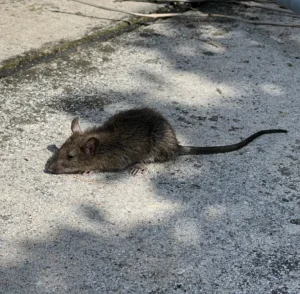
Rats are also excellent climbers. They can scale vertical walls, climb up the sides of bins, and crawl along wires or branches to reach the top of your compost bin.
If your bin has a loose or light lid, rats will simply push it open. They’re stronger than you might think, and they can lift or shift lids that aren’t secured.
Digging is another common method. Many compost bins sit directly on the ground with no bottom barrier. Rats will dig underneath the walls to create entry points.

They can dig really quickly too. A rat can tunnel several feet in just a few hours, creating a network of underground passages that lead right into your compost pile.
Rats will also gnaw through weak materials. Thin plastic, old wood, and even some metals can be chewed through given enough time.
Their teeth are incredibly strong and grow continuously.
If your bin is damaged or has cracks, rats will work on these weak spots to make them bigger.
What starts as a small crack can become a rat-sized hole within a few days.
What Do Rats Do Inside Compost Bins?
Once rats get into your compost bin, they don’t just grab food and leave. They actually set up operations inside.
Foraging for food is their main activity. Rats will dig through the compost to find the most nutritious items. They’re looking for proteins and fats first, but they’ll eat just about anything.
They don’t eat everything in one go. Instead, rats will take food and carry it to a safe eating spot, either inside the bin or back to their main nest elsewhere.
Many rats will actually build nests inside compost bins. The warm, sheltered environment is perfect for raising babies.
Female rats can have litters of 6-12 babies, and they’ll often nest right in the compost.

These nests are usually made from shredded paper, cardboard, grass, or any soft material the rat can find in the compost. They create a cozy chamber that stays warm from the composting process.
Rats will also use compost bins as shelter during bad weather or when hiding from predators. Even if they nest elsewhere, they might spend their days sleeping in the compost.
The composting material provides cover from hawks, owls, cats, and other predators. It’s a safe place where rats can rest without being seen.
Rats create runways and paths through the compost. These are regular routes they use to move through the pile efficiently.
You might notice packed-down areas or cleared paths if you dig into the compost.
They’ll also leave droppings throughout the bin. Rats defecate frequently, and a compost bin full of rats will quickly accumulate a lot of rat waste.
Health Risks of Rats in Compost
Having rats in your compost isn’t just annoying. It actually creates health risks that you need to take seriously.
Rats carry diseases that can spread to humans. These include leptospirosis, hantavirus, salmonella, and rat-bite fever. You don’t even need to be bitten to get sick.

Rat urine and droppings can contaminate your compost. If you later use this compost in your vegetable garden, you could potentially expose yourself to these pathogens when handling produce.
Leptospirosis is especially concerning. This bacterial disease is spread through rat urine, and it can survive in soil and water for months. If contaminated compost touches a cut on your skin, you could get infected.
Symptoms of leptospirosis include fever, headache, muscle pain, and in severe cases, kidney or liver damage. It’s not common, but it’s serious when it happens.
Hantavirus is another risk. This virus is found in rat droppings, urine, and saliva. When these dry out, they can become airborne and you can breathe them in.
Hantavirus pulmonary syndrome is rare but often fatal. Early symptoms feel like the flu, but it quickly progresses to severe breathing problems.
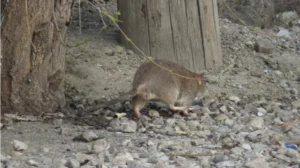
Rats also carry parasites like fleas, mites, and ticks. These parasites can jump from rats to you or your pets when you’re working around the compost.
Some of these parasites carry their own diseases. Fleas from rats can transmit murine typhus and even plague, though these are extremely rare in most areas.
There’s also the risk of contaminating your garden soil. If you spread compost that has rat droppings in it, you’re spreading potential pathogens throughout your garden.
How to Keep Rats Out of Your Compost Bin
The good news is that you can take steps to make your compost bin much less attractive to rats.
1. Start by Only Composting Rat-Safe Materials.
Stick to fruit and vegetable scraps, coffee grounds, tea bags, eggshells, grass clippings, leaves, and small amounts of paper or cardboard.
Never add meat, fish, dairy, oils, fats, or cooked foods to your compost. These are the main things that attract rats in the first place.
Even seemingly innocent foods can be problematic in large amounts. Limit how much fruit you add at once, and bury it under other compost materials rather than leaving it on top.
2. Make Sure Your Bin Is Secure.
If you’re using a basic bin, upgrade to one with a tight-fitting lid and solid sides. The lid should lock or latch closed, not just rest on top.
Add hardware cloth to the bottom of your bin. This is metal mesh with very small openings (1/4 inch or less) that rats can’t squeeze through or chew.
Dig a trench around your bin about 6-12 inches deep and bury the hardware cloth in it. This creates a barrier that prevents rats from digging underneath.
3. Keep Your Compost Bin Away From Hiding Spots.

Don’t place it against walls, fences, or under bushes where rats feel protected. Put it in a more open area of your yard.
4. Turn Your Compost Regularly.
Active, hot compost piles are less attractive to rats because the high heat makes them uncomfortable.
Turning also disrupts any nests that might be starting.
5. If Possible, Use a Hot Composting Method.
This involves maintaining temperatures of 130-160°F, which will kill pathogens and make the environment unpleasant for rats.
6. Add a motion-activated light near your compost bin.
Rats prefer darkness, and sudden lights can discourage them from approaching.
What to Do If Rats Are Already in Your Compost
If you’ve confirmed that rats are in your compost, you need to take action quickly before the problem gets worse.
- First, stop adding food scraps to the bin for a while.
This removes the main reason rats are visiting. Switch to adding only dry materials like leaves and paper.
You can still compost your kitchen scraps by using a sealed indoor composter or by freezing scraps until you’ve dealt with the rat problem.
- Next, turn your compost pile thoroughly and frequently.
This disrupts rat nests and makes the environment less comfortable. Do this every day or two for a couple of weeks.

While turning, look for nests, tunnels, and rat droppings. Remove any nests you find and fill in tunnels. Wear gloves and a mask while doing this to protect yourself from pathogens.
- Consider temporarily moving your compost to a different container while you repair or upgrade your current bin.
This lets you address structural problems without rats continuing to access the pile.
- Set traps around (not inside) your compost bin.
Snap traps baited with peanut butter can be effective. Place them along walls, fences, or anywhere you see rat activity.
- Check traps daily.
Dispose of any caught rats by sealing them in a plastic bag and throwing them in the trash. Always wear gloves when handling dead rats.
You can also try electronic repellents that emit high-frequency sounds rats don’t like. These plug in near your compost area, though their effectiveness varies.
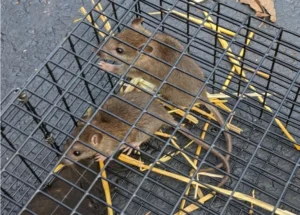 Some people use natural deterrents like peppermint oil, which rats supposedly dislike. Soak cotton balls in peppermint oil and place them around the bin. You’ll need to refresh these every few days.
If the rat problem is severe, you might need to call a professional pest control service. They can identify how rats are accessing your bin and help eliminate the population.
Alternative Composting Methods to Avoid Rats
If you just can’t keep rats out of your traditional compost bin, there are other ways to compost that are much more rat-resistant.
Vermicomposting (worm composting) can be done indoors in sealed containers.
Red wiggler worms break down food scraps in a bin that you keep in your basement, garage, or even under your sink.
Since the bin is sealed and indoors, rats can’t access it. You still need to avoid adding meat and dairy, but for the same reason (it makes the bin smell bad and attracts pests).

Bokashi composting is another indoor method. This uses special microorganisms to ferment food scraps in an airtight bucket. You can compost meat and dairy with this method.
After the fermentation process (about 2 weeks), you bury the fermented material in your garden where it quickly finishes breaking down underground. Rats are less likely to dig it up at that point.
Electric composters are a newer option.These are countertop devices that heat and grind food scraps, turning them into compost in just a few hours.
They’re completely sealed, making rat access impossible. The downside is they’re expensive and use electricity.
Trench composting involves digging holes or trenches in your garden and burying food scraps directly. Cover them with at least 8 inches of soil to prevent rats from digging them up.
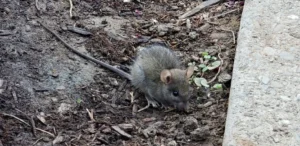
This method works well but requires space and effort. You’ll need to rotate where you bury scraps to avoid overwhelming one area.
Some communities offer municipal composting programs. You put food scraps in a special bin, and the city picks them up for composting at a facility.
These facilities use methods that keep rats out, and you can often get finished compost back for your garden.
Conclusion
Rats will absolutely go in compost bins if they can access them, and once they find food there, they’ll keep coming back. But with the right setup and habits, you can compost successfully without attracting these rodents.
The key is making your bin physically rat-proof with hardware cloth and secure lids, and only composting materials that don’t smell strongly to rats
. Avoid meat, dairy, oils, and cooked foods completely.
If rats are already in your compost, act fast by removing food sources, turning the pile frequently, and setting traps. In severe cases, consider switching to an alternative composting method like vermicomposting or Bokashi.

Hi, my name is Ezra Mushala, i have been interested animals all my life. I am the main author and editor here at snakeinformer.com.