

The idea of a rat popping up in your toilet while you’re sitting on it is the stuff of nightmares. You’ve probably seen viral videos or heard horror stories about this happening, but is it really possible? Can rats actually come up through toilets?
Yes, rats can come up toilets, and it happens more often than you’d think. Rats are excellent swimmers who can hold their breath for up to three minutes and squeeze through incredibly tight spaces. Your toilet provides a direct entry route from the sewer system to your bathroom.
While it’s not an everyday occurrence, it’s definitely possible and happens regularly in cities with old sewer systems.
Understanding how rats do this and what makes toilets vulnerable helps you protect yourself.
Why Toilets Are Easy for Rats to Navigate and Enter
Toilets are actually easier for rats to come through than other drains. The design of toilet plumbing gives rats several advantages that don’t exist with sinks or tubs.
Toilet pipes are much larger than sink drains. Your toilet drain is typically 3 to 4 inches wide, while sink drains are only about 1.5 inches. This gives rats plenty of room to swim and climb.
The water trap in toilets is also shorter and easier to navigate.
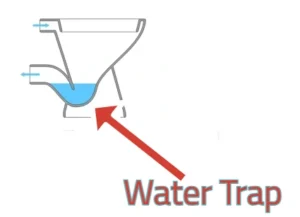
Research on rat swimming ability shows they can hold their breath for up to three minutes. The distance through your toilet’s trap is maybe a foot or two, which takes a rat just seconds to swim.
Toilets have a more direct path to the sewer than other drains. Kitchen and bathroom sinks have multiple bends and connections.
Toilets usually connect more directly to your main sewer line with fewer obstacles.
The bowl shape helps rats get out. Once a rat makes it through the trap and into the bowl, the sides aren’t too steep.
Rats can climb up and out relatively easily compared to a sink with smooth vertical sides.

There’s usually air space at the top of the drain pipe. Even when water is sitting in the trap, there’s air above it in the pipe. A rat can surface, breathe, and rest before making the final push into your toilet bowl.
How Rats Actually Make the Journey
Understanding the actual route a rat takes from the sewer to your toilet helps you see why this is a real threat and not just an urban legend.
It starts with rats living in the sewer system. City sewers can have thousands of rats living in them. These rats eat the food waste people flush and wash down drains.
They’re always exploring, looking for new food sources and places to nest.

A rat swimming through the sewer finds your home’s connection to the main line. Every building’s plumbing connects to the municipal sewer.
These connection points are where rats start their journey toward your toilet.
The rat swims or climbs up your home’s main drain pipe. This pipe collects waste from all your drains and carries it to the sewer. Rats can swim against the flow or climb when there’s no water running.
When the rat reaches the junction where your toilet connects, it takes that path. Toilet connections are larger and have fewer bends than other fixtures. The rat follows the easiest route.
The rat dives underwater and swims through your toilet’s trap. This is the hardest part, but rats can easily hold their breath long enough.
They push through the water and emerge in your toilet bowl.
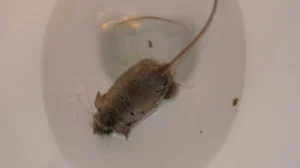
Once in the bowl, the rat can climb out if the lid is up. If the lid is down, it might stay in the bowl or try to swim back down.
This is why you should always keep your toilet lid closed, especially at night.
Which Toilets Are Most at Risk of Entry?
Not all toilets have the same risk of having rats come up, or entering through them. Location, age, and other factors make some toilets more vulnerable than others.
- Ground-floor and basement toilets are highest risk.
These are closest to your main sewer connection. A rat doesn’t have to climb as far or work as hard to reach them.
First-floor bathrooms are where most toilet rat incidents happen.
- Upper-floor toilets are much safer.
While rats can theoretically reach any toilet in your house, the journey to a second or third-floor bathroom is really long and difficult. Most rats won’t make it that far.
- Toilets in old buildings are more vulnerable.
Older plumbing systems often have damaged pipes, larger diameter drains, and more direct connections to sewers.

Buildings over 50 years old are particularly at risk.
- Toilets that aren’t used regularly can be targets.
If you have a guest bathroom or basement toilet that rarely gets flushed, rats might investigate it.
The lack of frequent water flow makes it seem safer to explore.
- Commercial building toilets on ground floors have higher risk.
Office buildings, restaurants, and stores with basement or first-floor bathrooms see more rat incidents than residential homes in many cities.
Signs a Rat Might Be in Your Toilet or Pipes
Before you actually see a rat in your toilet, there might be warning signs. Catching these early can help you prevent a terrifying encounter.
Strange noises in your bathroom pipes are the first clue.
You might hear scratching, squeaking, or splashing sounds coming from your toilet or the pipes in the wall.
These sounds are most noticeable at night when everything else is quiet.
Seeing droppings near your toilet is a major red flag.
Rat droppings are dark, pellet-shaped, and about half an inch long.
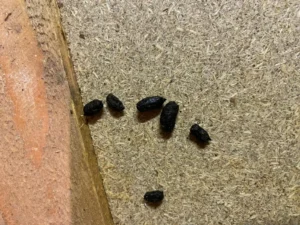
If you find these on the floor near your toilet or even in the bowl, a rat has probably been there.
Unexplained water movement in your toilet bowl can indicate something in the pipes.
If you notice ripples or waves in the water when nothing should be causing them, there might be a rat moving around in the drain.
Grease or dirt marks on the inside of your toilet bowl near the water line might be from a rat.
As rats come up and try to climb out, their oily fur leaves marks.
Bad smells coming from your toilet (not from normal use) can indicate rats in your sewer line.
Even if they’re not coming all the way up yet, their presence in nearby pipes creates odors.
What to Do If You Find a Rat in Your Toilet
If you walk into your bathroom and find a rat in your toilet, you need to act fast but stay calm. Here’s exactly what to do in this nightmare scenario.
1. Close the Toilet Lid Immediately if It’s Open.
This traps the rat in the bowl and prevents it from jumping out into your bathroom.
Act fast because rats can jump and climb surprisingly well.
2. Don’t Try to Flush the Rat Down.
This might seem like the obvious solution, but it rarely work.

Rats can swim back up, and flushing might just make the rat panic and try harder to escape. Plus, a large rat might clog your toilet.
3. Put Something Heavy on the Toilet Lid to Keep It Closed.
The rat will try to push the lid up from inside. A few heavy books or a full laundry basket will keep it contained.
4. Call a Pest Control Professional Immediately.
Don’t wait until morning or try to handle this yourself. Rats carry diseases and can bite viciously when cornered.
Professionals have the right equipment and training.
6. Keep Everyone Away From That Bathroom.
Especially keep children and pets away. Close the bathroom door and put a towel under it to prevent the rat from escaping if it somehow gets out of the toilet.
7. After the Rat Is Removed, You Need Both a Pest Control Expert and a Plumber.
The pest control person removes the rat, but a plumber needs to find out how it got into your plumbing and fix the problem.
How to Prevent Rats From Coming Up Your Toilet
Prevention is way better than dealing with a rat in your toilet. Here are the most effective ways to protect yourself from this happening.
- Keep your toilet lid closed when not in use.
This is the simplest and cheapest prevention method. If the lid is down, a rat can’t climb out even if it makes it into the bowl.
Make this a household rule, especially at night.
- Install a toilet rat guard.
These devices fit inside your toilet’s drain pipe and have one-way flaps. They let waste flush down but prevent anything from coming up.
Studies show these are very effective in high-risk areas. A plumber can install one for you.
- Have your sewer line inspected regularly.
If you live in an old building or area with known rat problems, get a camera inspection of your sewer line every few years.

Finding and fixing cracks or breaks stops rats before they reach your toilet.
- Use your toilets regularly.
Toilets that get flushed often are less attractive to rats. The constant water flow and activity make it seem dangerous.
If you have a rarely used bathroom, flush that toilet at least once a week.
- Don’t flush food waste.
Flushing food down your toilet creates scents that attract rats from the sewer. Only flush human waste and toilet paper.
Everything else belongs in the trash.
- Consider a backflow preventer for your whole house.
These devices install on your main sewer line and prevent anything from coming back up into your plumbing.
They’re expensive but provide complete protection.
Cities Where Rats Coming Up Toilets Happens Most Often
Rats coming up toilets is more common in certain cities than others. Knowing the high-risk areas helps you understand your actual risk level.
New York City has one of the worst rat problems in the world. The city’s old sewer system and massive rat population mean toilet rat incidents happen regularly.
Ground-floor apartments in older buildings are particularly vulnerable.

London also has frequent reports of rats in toilets. The city’s Victorian-era sewers provide perfect habitat for huge rat populations. Incidents spike during heavy rains when sewers flood.
Chicago, Philadelphia, and Boston have significant rat problems. These older American cities with aging infrastructure see regular toilet rat incidents, especially in historic neighborhoods with old plumbing.
Paris has well-documented rat issues in its famous underground sewer system. Rats coming up toilets are common enough that many Parisians keep toilet lids closed as standard practice.
Smaller cities with newer infrastructure have much lower risk. If you live in a suburban area with plumbing installed in the last 30 years, your chances of having a rat come up your toilet are very low.
Health Risks of Rats Entering Toilets
Having a rat come up your toilet isn’t just scary and disgusting. It’s a serious health hazard that needs immediate attention and thorough cleaning afterward.
- Rats carry many diseases.
Sewer rats especially are exposed to human waste and all the bacteria, viruses, and parasites that come with it.

They can transmit leptospirosis, hantavirus, salmonella, rat-bite fever, and more.
- Their urine and droppings contaminate everything they touch.
A rat in your toilet means your entire bathroom is now contaminated with sewer bacteria. Your floor, walls, and any surfaces the rat touched need professional-level disinfection.
- Rat bites are extremely dangerous.
If you try to handle a rat from your toilet and it bites you, you need immediate medical attention.
The combination of rat saliva and sewer bacteria makes these bites highly likely to get infected.
- Even breathing the same air as a rat can be risky.
Some diseases rats carry can be transmitted through airborne particles from their dried urine or droppings.
This is why you should leave the bathroom and close the door.
- Children and people with weakened immune systems are at highest risk.
If a rat comes up a toilet in a home with young kids, elderly people, or anyone immunocompromised, the health risks are even more serious.
Can Rats Survive Being Flushed?
If you flush a rat (or if one gets flushed accidentally), can it survive? This is important to know because it affects how you should handle a toilet rat situation.
Yes, many rats can survive being flushed. They’re excellent swimmers who can hold their breath long enough to make it through your toilet’s trap and back into the sewer system.

The rat that came up can probably go back down. If it made the journey up through your plumbing, it has the strength and ability to make the return trip. Flushing might just send it back to the sewer where it came from.
But flushing isn’t a solution. Even if the rat survives and goes back down, it knows how to get to your toilet now. It or other rats might come back.
Plus, a large rat might get stuck in the pipes and create a serious clog.
Flushing can also injure or stress the rat without killing it. An injured rat stuck in your pipes is worse than one that made it all the way up.
It might die in your plumbing and create a horrible smell.
The humane and practical approach is to contain the rat and call professionals. Let trained pest control experts handle removal. Then get a plumber to fix the entry point so it can’t happen again.
Old Plumbing vs. New Plumbing
The age and type of your plumbing makes a huge difference in toilet rat risk. Understanding these differences helps you know your actual vulnerability level.
Old cast iron and clay pipes crack and break over time. These materials were standard until the 1970s or so. After 50-100 years in the ground, they develop gaps that rats can easily get through.
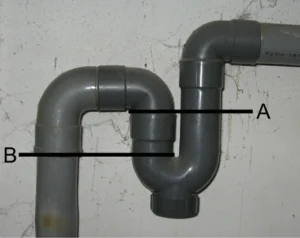
Modern PVC and plastic pipes are more resistant to damage. They don’t crack from age the way old materials do. Buildings with plumbing installed in the last 30 years have much lower rat risk.
Older plumbing often has larger diameter pipes. Modern codes require smaller pipes that are harder for rats to navigate. A 6-inch old pipe gives rats way more room than a modern 3-inch line.
Connection methods matter too. Old pipes were often connected with lead joints or simple mortar. These connections fail over time. Modern pipes use rubber gaskets and more reliable connection systems.
If you’re buying or renting a place, ask about the plumbing age. A building with plumbing from the 1920s needs serious consideration if you’re worried about rats.
Modern plumbing gives you much more peace of mind.
What Time of Day Do Rats Come Up Toilets?
Rats are more likely to come up toilets at certain times. Knowing when they’re most active helps you be extra vigilant and take precautions.
Night is prime time for toilet rat activity. Rats are nocturnal and do most of their exploring between 10 PM and 4 AM.
This is when they’re most likely to venture up through plumbing to investigate new areas.

Early morning before people wake up is another high-risk time. A rat might come up around 5 or 6 AM when it’s still dark but before household activity starts. This is why many people discover rats in their toilet first thing in the morning.
During the day is less common but possible. If a rat is desperate or if the building is quiet during the day (like a weekend office), it might venture up.
But rats generally avoid times when there’s lots of human activity.
Heavy rain increases rat activity at all times. When sewers flood, rats are pushed to find higher ground urgently.
They might come up toilets at any time of day during storms or flooding.
This pattern means you should be extra careful at night. Always close toilet lids before bed. Check your toilet before using it if you get up in the middle of the night, especially in ground-floor bathrooms.
Conclusion
Rats can definitely come up toilets, and it’s more common than most people realize. They’re powerful swimmers who can hold their breath for minutes and navigate complex pipe systems. Your toilet provides a direct route from the sewer to your bathroom.
The simplest prevention method is to always keep your toilet lid closed. This alone stops most rats from getting into your bathroom even if they make it to the bowl.
Make it a household rule, especially at night when rats are most active.
If you live in an old building or high-risk city, consider installing a toilet rat guard. Have your sewer line inspected and repaired if needed.
These professional solutions provide long-term protection and peace of mind.
If you do find a rat in your toilet, close the lid, weight it down, and call professionals immediately. Don’t try to handle it yourself.
After removal, have both pest control and plumbing experts address the root cause so it doesn’t happen again.

Hi, my name is Ezra Mushala, i have been interested animals all my life. I am the main author and editor here at snakeinformer.com.