
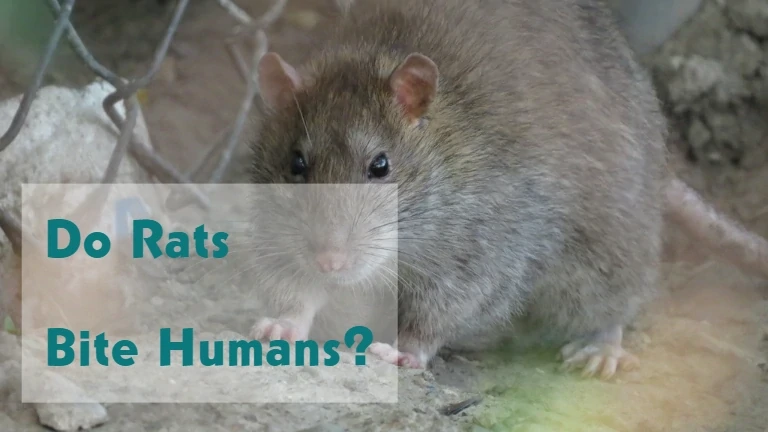
Rats are common pests in homes, warehouses, and cities around the world. While most people think of them as dirty or disgusting, many don’t think about whether they’re actually dangerous.
If you’ve spotted a rat in your home or at work, you might be wondering if you need to worry about getting bitten. Do rats bite humans?
Yes, rats can and do bite humans, especially when they feel threatened, cornered, or are protecting their nest. While rat bites are relatively rare, they can cause serious injuries and transmit dangerous diseases like rat-bite fever and leptospirosis.
Most rats will run away from humans rather than attack. They’re naturally afraid of us because we’re so much bigger than they are.
But under certain circumstances, a rat might bite in self-defense. It’s important to know when this might happen and how to avoid it.
When Rats Are Most Likely to Bite People?
Rats don’t go looking for humans to bite. They’re not aggressive animals by nature, and they’d much rather avoid you completely.
However, there are specific situations where a rat might feel like it has no choice but to bite. Understanding these situations can help you avoid getting bitten.
If you corner a rat or trap it in a small space, it might bite out of fear. When a rat can’t escape, it’ll defend itself the only way it knows how.

Rats will also bite to protect their babies. If you accidentally disturb a nest with baby rats in it, the mother might attack to defend her young.
A sick or injured rat is more likely to bite. When rats are in pain or not feeling well, they become more defensive and less predictable.

Rats that are used to humans can sometimes bite during feeding. Pet rats or rats in labs might accidentally nip your fingers if they mistake them for food.
Wild rats are more likely to bite than domesticated ones. They haven’t been bred to be calm around humans, so they’re more fearful and reactive.
What a Rat Bite Really Feels Like
If you’ve never been bitten by a rat, you might wonder how bad it actually is. Rat bites can range from minor to quite serious.
Rats have incredibly strong jaws for their size. Their teeth are sharp and designed for gnawing through tough materials.
When a rat bites, it usually latches on and doesn’t let go right away. This makes the injury worse because the teeth create deeper wounds.
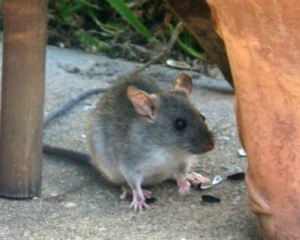
Most people describe a rat bite as feeling like being stabbed with several needles at once. The pain is sharp and immediate.
The bite area usually bleeds quite a bit because rat teeth create deep puncture wounds. These wounds are more serious than surface scratches.
After the initial bite, you’ll feel throbbing pain. The area might swell up and become red and inflamed within a few hours.
Some people compare the pain to a dog or cat bite, but rat bites tend to be more dangerous because of the bacteria rats carry.
Diseases You Can Catch from a Rat Bite
The physical injury from a rat bite is bad enough, but the diseases rats carry make their bites even more dangerous. Rats are known carriers of several serious illnesses.
Rat-bite fever is one of the most common diseases transmitted through rat bites. It’s caused by bacteria that live in rats’ mouths and can make you really sick.
Symptoms of rat-bite fever include fever, vomiting, headaches, muscle pain, and a rash. If left untreated, it can lead to serious complications like infections of the heart or brain.

Leptospirosis is another disease rats can pass to humans through bites. It’s caused by bacteria found in rat urine, and it can enter your body through the bite wound.
Early symptoms of leptospirosis include high fever, chills, muscle aches, and vomiting. In severe cases, it can cause kidney damage, liver failure, or even death.
Tetanus is always a concern with any deep puncture wound, including rat bites. If you’re not up to date on your tetanus shots, you could develop this dangerous infection.
Rats can also carry other bacteria that cause infections. Even if you don’t get one of the specific diseases listed above, the bite wound itself can become severely infected.
What to Do Right Away If a Rat Bites You
If a rat bites you, don’t panic, but don’t ignore it either. Immediate action can prevent serious complications.
- First, wash the wound thoroughly with soap and warm water. Scrub for at least five minutes to remove as much bacteria as possible.
- After washing, apply an antiseptic like hydrogen peroxide or rubbing alcohol. This will help kill any remaining bacteria in the wound.

- Use a clean bandage to cover the bite. Change the bandage daily and watch for signs of infection.
- Go to a doctor as soon as possible. Don’t wait to see if the bite gets infected. Early treatment with antibiotics can prevent serious disease.
- Your doctor will likely prescribe antibiotics as a preventive measure. Take the entire course of antibiotics, even if you start feeling better.
- Make sure your tetanus shot is current. If it’s been more than five years since your last one, you’ll probably need a booster.
Keep an eye on the wound for the next few weeks. If you develop fever, swelling, redness, or any other concerning symptoms, go back to the doctor right away.
Can Rats Bite People While They’re Sleeping?
One particularly disturbing fact is that rats sometimes bite people while they’re sleeping. This is more common than you might think, especially in heavily infested areas.
Rats are mostly active at night when people are asleep. If you have rats in your home, they’re moving around while you’re in bed.
Rats might bite sleeping people if they’re looking for food. They’re attracted to any food smells on your skin or near your bed.
Babies and young children are at higher risk of being bitten while sleeping. Their smaller size makes them less intimidating to rats, and they can’t defend themselves.

Some rats will nibble on exposed skin thinking it’s food. This can happen if you have food residue on your hands or face when you go to bed.
People who sleep in places with severe rat infestations are most at risk. Homeless individuals or people living in extremely poor conditions face this danger more often.
If you’re worried about rat bites while sleeping, make sure there are no rats in your bedroom. Seal up any holes, set traps, and keep food out of sleeping areas.
Pet Rats vs. Wild Rats
There’s a big difference between pet rats and wild rats when it comes to biting. Pet rats are much less likely to bite humans.
Pet rats have been bred for generations to be calm and friendly around people. They’re used to being handled and don’t see humans as threats.
When pet rats do bite, it’s usually an accident. They might mistake your finger for food or nip you during play without meaning to hurt you.

Wild rats, on the other hand, are naturally afraid of humans. They haven’t been socialized or bred to be comfortable around people.
A wild rat will almost always try to run away first. But if it can’t escape, it won’t hesitate to bite in self-defense.
Wild rat bites are also more dangerous because wild rats carry more diseases. Pet rats that are kept clean and healthy are less likely to transmit illness.
Even with pet rats, you should handle them properly. Don’t wake them suddenly, don’t grab them roughly, and respect their space when they want to be left alone.
Clear Signs You Might Have Rats in Your Home
If you’re worried about rat bites, the first step is knowing whether you actually have rats in your home. There are several clear signs to look for.
Rat droppings are the most obvious indicator.
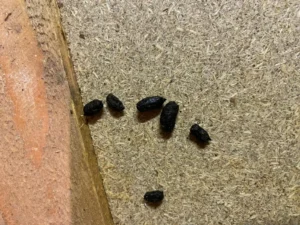
They’re about the size of a raisin and are usually dark brown or black. You’ll find them along walls, in cabinets, or near food sources.
Listen for sounds at night.
Rats are nocturnal, so you’ll hear scratching, squeaking, or scurrying sounds after dark.
Look for gnaw marks on food packages, furniture, walls, or wires.
Rats need to constantly chew to keep their teeth from growing too long.
Check for grease marks along walls.
Rats follow the same paths repeatedly, and the oils from their fur leave dark smudges on surfaces.
You might notice a musky smell in areas where rats are active.
This odor comes from their urine and becomes stronger in places with heavy infestations.
Nests made of shredded paper, fabric, or insulation are another sign.
Rats build these nests in hidden areas like attics, walls, or behind appliances.
Simple Ways to Avoid Getting Bitten by a Rat
The best way to avoid rat bites is to avoid rats altogether. If you do encounter a rat, knowing how to act can keep you safe.
- Never try to catch or corner a rat. If you see one, let it run away. Don’t chase it or try to trap it with your hands.
- Don’t reach into dark spaces where rats might be hiding. If you need to move things in storage areas or crawl spaces, use a stick or tool first to make noise and scare rats away.

- Wear thick gloves if you need to handle items in rat-infested areas. This provides some protection if a rat happens to bite.
- Keep your distance if you spot a rat. Even if it seems sick or injured, don’t try to help it yourself. Call animal control instead.
- Never feed wild rats or try to make friends with them. Some people think they’re being kind, but this just makes rats less afraid of humans.
If you have rats in your home, hire a professional pest control service. They have the training and equipment to deal with rats safely.
How to Get Rid of Rats Without Putting Yourself at Risk
If you have rats in your home, you need to get rid of them to eliminate the risk of bites. But you need to do it safely.
- Start by setting traps in areas where you’ve seen rat activity. Snap traps are effective and kill rats quickly.
- Place traps along walls because rats naturally run along edges. Put the trigger end facing the wall for best results.
- Use bait like peanut butter, dried fruit, or bacon. Check traps daily and dispose of any dead rats carefully.
- Wear gloves when handling traps or dead rats. Don’t touch them with your bare hands.
- Seal up entry points after you’ve trapped the rats. Look for holes larger than a quarter and fill them with steel wool or hardware cloth.
- Remove food sources that attract rats. Store food in sealed containers and clean up crumbs and spills right away.
Consider calling a professional if you have a large infestation. They can handle the problem more quickly and safely than you can on your own.
Children Face a Higher Risk of Rat Bites
Children are at higher risk of rat bites than adults. They’re smaller, more vulnerable, and less able to protect themselves.
Young children who sleep in homes with rat infestations are especially at risk. They can’t fight off a rat or even wake up and move away quickly.
Babies who have food on their faces or hands are sometimes bitten by rats looking for food. This is extremely dangerous because babies can’t defend themselves at all.
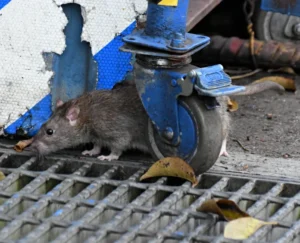
If you have young children and you know there are rats in your home, treat this as an emergency. Get professional help immediately.
Teach older children never to try to catch or play with rats. Explain that wild rats are dangerous and can make them sick.
If your child gets bitten by a rat, take them to the hospital right away. Don’t wait to see if symptoms develop. Children can get sicker faster than adults.
Make your child’s sleeping area as rat-proof as possible. Keep food out of bedrooms and make sure there are no entry points for rats.
Conclusion
Rats can definitely bite humans, and when they do, it’s serious. Rat bites can cause painful injuries and transmit dangerous diseases like rat-bite fever and leptospirosis.
Most rats will avoid you if given the chance, but they’ll bite if they feel threatened or cornered. The best way to prevent bites is to get rid of rats in your home and avoid contact with wild rats.
If you do get bitten, wash the wound immediately and see a doctor as soon as possible. Early treatment can prevent serious complications and potentially life-threatening infections.

Hi, my name is Ezra Mushala, i have been interested animals all my life. I am the main author and editor here at snakeinformer.com.