
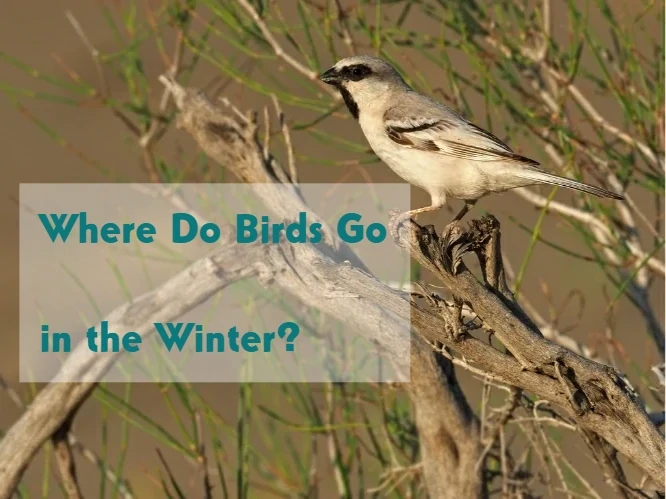
Summer is full of birds. Your yard is noisy with chirping, singing, and the constant activity of birds flying around looking for food and caring for babies. But then fall arrives, and suddenly things get quieter.
By the time winter hits, many of the birds are just gone. Your feeders might still get visitors, but the variety and numbers are way down. The sky seems emptier, and the trees are silent.
Where do all the birds go in the winter?
Most birds migrate south to warmer areas where food is more available. They fly to southern states, Central America, South America, or even across oceans to find places with insects, seeds, and plants that don’t die off in winter. Some birds stay year-round in cold areas because they’ve adapted to find food even in harsh conditions.
The answer depends entirely on which birds you’re talking about.
Different species have different strategies for dealing with winter, and where they go varies a lot based on what they eat and how they handle cold weather.
Food, Not Cold, Is What Really Pushes Birds to Leave
Birds don’t migrate because they can’t handle the cold. Most birds can actually deal with freezing temperatures just fine. They have feathers, they can fluff up for insulation, and they can regulate their body temperature.
The real problem is food. When winter comes to northern areas, most insects die or go dormant. Plants stop producing seeds and fruits. The ground freezes, making it hard to dig for worms and grubs.
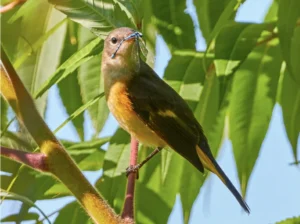
Birds that eat insects, nectar, or fresh plants have to leave. There’s just nothing for them to eat. They can’t survive months without food, so they fly to places where food is still available.
Birds that can switch to eating seeds, berries, and other foods that last through winter can stay. These birds have adapted to find food even when conditions are harsh.
Migration isn’t fun or easy for birds. It’s dangerous, exhausting, and many birds die during migration. But staying in a place with no food would be certain death, so migration is the better choice.
Common Birds That Migrate South
Let’s talk about some of the birds that definitely leave when winter comes. These are species you see all summer but won’t find in winter unless you live in the south.
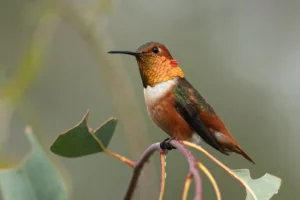
Hummingbirds have to migrate because they eat nectar and tiny insects. Both of these food sources disappear in winter.
Ruby-throated hummingbirds fly all the way from the eastern U.S. to Mexico and Central America. Some even cross the Gulf of Mexico in one nonstop flight.
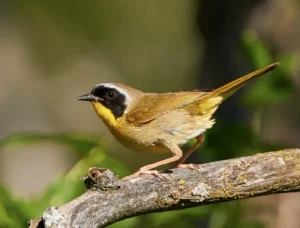
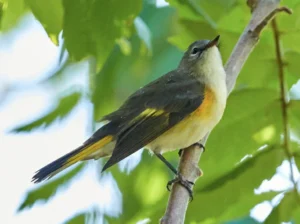
Warblers are small, colorful birds that eat insects. They leave northern areas in fall and fly to Central and South America.
There are dozens of warbler species, and they all migrate.
Swallows catch insects while flying. No insects means no food, so swallows head south.
Tree swallows go to the southern U.S. and Central America. Cliff swallows fly all the way to South America.
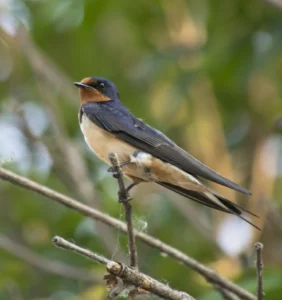
Orioles eat insects, nectar, and fruit. Baltimore orioles and other species migrate to Mexico, Central America, and northern South America for winter.
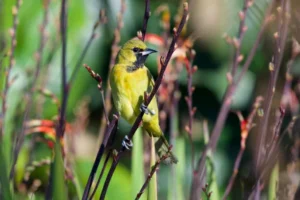
Tanagers are beautiful red, yellow, and orange birds that eat insects and fruit. Scarlet tanagers and summer tanagers migrate to Central and South America.
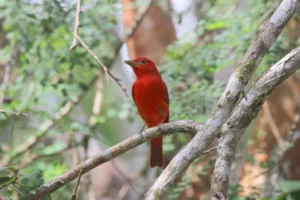
Flycatchers are exactly what they sound like. They catch flying insects.
When insects disappear, flycatchers leave for the tropics.
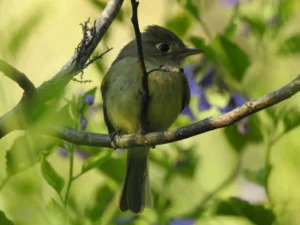
Vireos are small songbirds that eat mainly insects. They migrate to Central and South America.
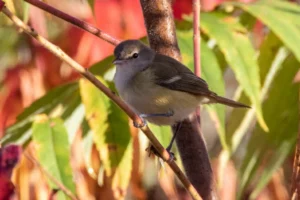
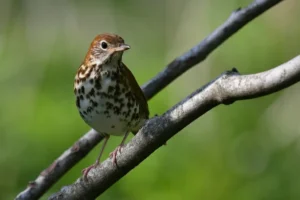
Thrushes like the wood thrush and Swainson’s thrush migrate south. However, their cousin the robin sometimes stays north if food is available.
Birds That Stay All Year
Some birds are tough enough to handle northern winters. These are the birds you’ll see at your feeders when everything is frozen.
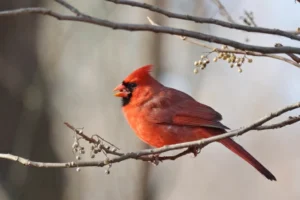
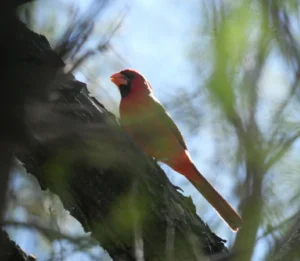
Cardinals don’t migrate. They eat seeds, which are available all winter. You’ll see these bright red birds in snowy landscapes.
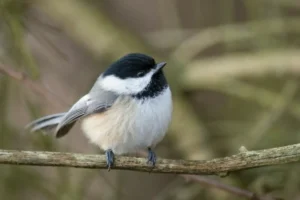
Chickadees are year-round residents in most of their range. They eat seeds, and they can remember thousands of hiding spots where they stashed food during fall.
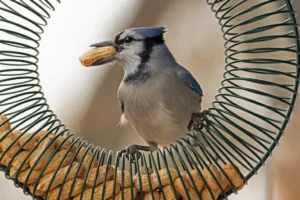
Blue jays usually don’t migrate. They eat seeds, nuts, and pretty much anything else they can find. Some blue jays do migrate short distances, but many stay put.
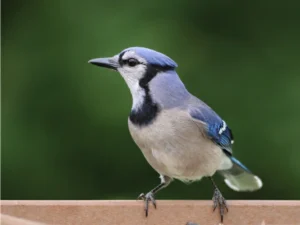
Woodpeckers stay all year. They drill into trees to find insects that are hiding in the bark and wood. These insects don’t disappear in winter, they just hide deeper.
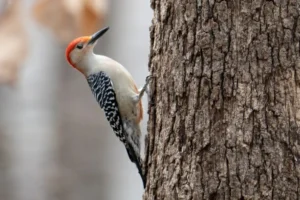
Nuthatches stay north during winter. They eat insects they find in tree bark, plus seeds and nuts.
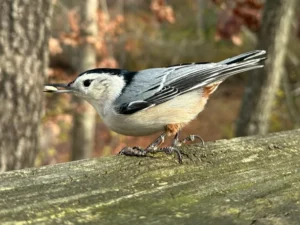
Crows and ravens are year-round residents in most places. They eat almost anything and are smart enough to find food even in harsh conditions.
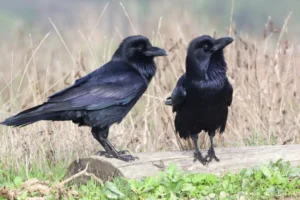
Owls mostly stay in the same place year-round. They hunt mice and other small mammals that don’t hibernate.
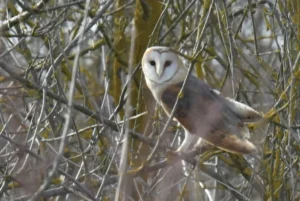
Mourning doves don’t migrate in many areas. They eat seeds off the ground and can find food even in snow.
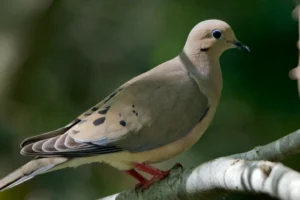
House sparrows and starlings (invasive species) stay all winter. They’re adapted to living around humans and can find food in cities and towns.
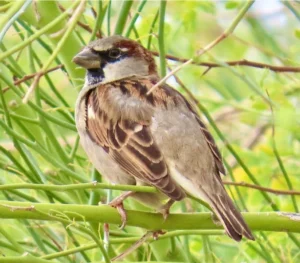
Birds That Partially Migrate
Some bird species have populations that migrate and populations that stay. Whether they migrate depends on where they live and how harsh the winter is.
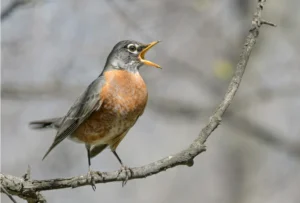
Robins are interesting. Robins in Canada and the northern U.S. usually migrate south for winter. But robins in the mid-Atlantic and southern states often stay all year. You might see robins in January if you live in a mild area.
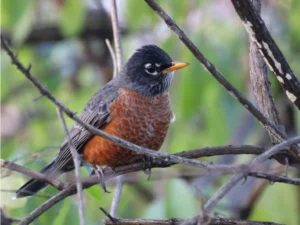
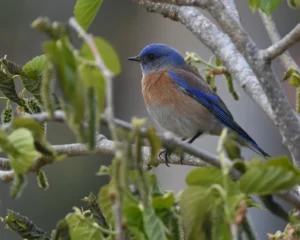
Bluebirds sometimes migrate and sometimes don’t. Northern populations usually head south, but southern populations stay put.
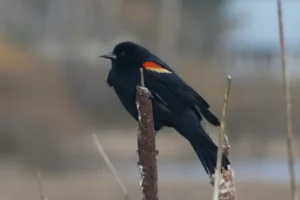
Red-winged blackbirds migrate from northern areas to southern states for winter. But in the south, they’re year-round residents.
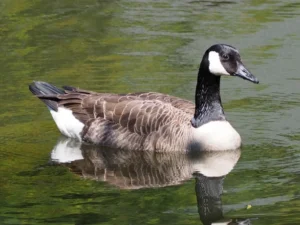
Canada geese used to always migrate, but now some populations stay year-round in areas where they can find food. You’ll see geese in parks and golf courses all winter in many places.
Where Do Birds Actually Go?
When birds migrate south, they’re not just flying randomly. They go to specific places where they know they can find food.
Many North American birds spend winter in Mexico. The climate is warm, insects are active, and plants are producing food. Millions of birds winter in Mexico every year.
Central America
Central America (Guatemala, Honduras, Costa Rica, Panama) is another major destination. The tropical forests provide food for warblers, tanagers, flycatchers, and many other species.
South America
South America hosts birds that migrate really long distances.
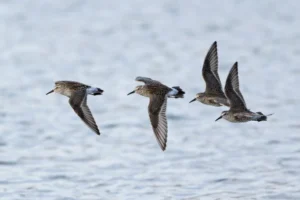
Some birds fly all the way from Alaska and Canada to Brazil, Argentina, and other South American countries.
The Caribbean islands
The Caribbean islands are winter homes for many species. Islands like Cuba, Jamaica, and the Dominican Republic host huge numbers of warblers and other migrants.
The southern United States
The southern United States is where many northern birds spend winter. Places like Florida, Texas, and California have mild winters and stay full of birds year-round.
Some birds even cross oceans
The Arctic tern holds the record for longest migration. It breeds in the Arctic and flies all the way to Antarctica for the other summer. That’s roughly 25,000 miles round trip.
How Birds Know Exactly When It’s Time to Leave
Birds don’t check weather forecasts or calendars. So how do they know when it’s time to migrate?
The changing length of daylight is the main trigger. As days get shorter in fall, birds’ bodies respond by producing hormones that trigger migration behavior. This is called photoperiod.
Birds also respond to temperature changes and food availability. If insects start disappearing or temperatures drop, birds get the signal that it’s time to go.
Young birds are born with migration instincts. They don’t have to be taught where to go. Their genes program them to fly in a certain direction at a certain time of year.
Some birds follow experienced adults on their first migration. Geese and cranes, for example, migrate in family groups. Young birds follow their parents and learn the route.
What the Long Journey South Is Really Like for Birds
Migration is incredibly difficult and dangerous. Birds face all kinds of challenges on their journey.
They have to fly hundreds or thousands of miles, often without stopping.
Some birds fly nonstop for days, crossing oceans or deserts where there’s nowhere to land.
They navigate using the sun, stars, Earth’s magnetic field, and landmarks.
Scientists still don’t completely understand how birds find their way across such huge distances.
They face predators during migration.
Hawks and falcons hunt migrating birds. Owls catch birds that fly at night.
Bad weather can kill migrating birds.
Strong winds blow them off course. Storms force them to land in dangerous places. Fog and rain make it hard to navigate.
Human-made obstacles are deadly.
Birds crash into buildings, windows, cell towers, and wind turbines by the millions. City lights confuse birds that navigate by stars.
Many birds die during migration.
Some estimates suggest that less than half of songbirds survive their first year, and migration is a major reason why. But the birds that do survive get to spend winter in warm places with plenty of food.
How Do Birds That Stay Behind Find Food All Winter?
Birds that stay in cold areas during winter have to work hard to find food. They have special strategies for surviving.
Eating seeds and nuts is the main strategy.
Seeds are available all winter, either on plants or on the ground. Birds like chickadees, nuthatches, and finches rely heavily on seeds.
Eating berries that last through winter.
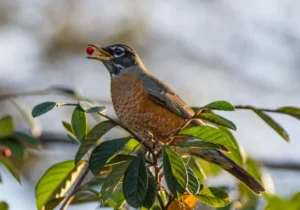
Holly, juniper, sumac, and other plants keep berries into winter. Robins, cedar waxwings, and other species eat these.
Digging for insects in tree bark.
Woodpeckers and nuthatches can find insects that are hibernating in cracks and under bark.
Hunting mammals that are active in winter.
Owls and hawks catch mice, voles, and other rodents that don’t hibernate.
Eating at bird feeders that humans provide.
Many birds have learned to rely on feeders to get them through winter. This is actually helping some species expand their range north.
Storing food ahead of time.
Chickadees, jays, and nuthatches hide seeds in thousands of spots during fall. They remember these locations and retrieve food all winter.
How Birds Keep Themselves Warm in Freezing Weather
Birds that stay in cold climates have to deal with freezing temperatures. They have several tricks for staying warm.
- They fluff up their feathers to trap warm air next to their body. A puffed-up bird looks fatter, but it’s creating insulation.
- They shiver to generate heat. Just like humans, birds shiver when cold. This muscle activity produces warmth.
- They tuck one leg up into their feathers while standing. This reduces heat loss through their bare legs and feet.
- They tuck their head under their wing when sleeping. This keeps their head warm and protects their eyes and bill.
- They huddle together with other birds. Small birds will crowd into tree cavities, nest boxes, or thick bushes to share body heat.
- They enter torpor on the coldest nights. This is a state where their body temperature drops and their metabolism slows down. It’s like a mini-hibernation that lasts just one night. This saves energy when food is scarce.
When Do Birds Start Making Their Way Back North?
Spring brings birds back north. The timing depends on the species and how far they have to travel.
Early migrants like robins and red-winged blackbirds show up in March or even late February. They’re rushing back to claim the best territories before other birds arrive.
Most songbirds return in April and May. You’ll notice a sudden explosion of bird activity and singing as migrants pour back into northern areas.
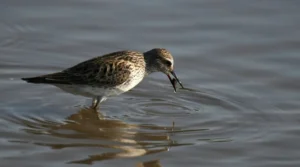
Late migrants like some warblers and flycatchers don’t arrive until May or even early June. They wait until insects are really abundant before making the trip.
Birds need to time their return carefully. Arrive too early, and there might not be enough food yet. Plus, late snowstorms can kill birds that came back too soon.
Arrive too late, and all the good nesting sites are taken. Other birds will already be raising babies while late arrivals are just starting to build nests.
How Climate Change Is Changing Bird Migration Patterns
Climate change is messing with bird migration patterns. Birds are having to adapt to new conditions.
Spring is arriving earlier in many places. Some birds are migrating earlier to match the earlier springs. But others are arriving at the same time they always did, which means they’re missing the peak food availability.
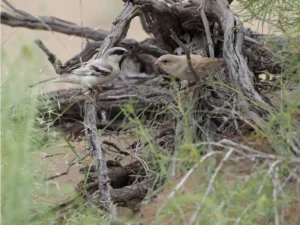
Winters are milder in some areas. This is allowing some species to stay farther north than they used to. Birds like robins and bluebirds are now winter residents in places they used to migrate away from.
Some birds aren’t migrating as far south. If they can find food in nearby areas, why fly all the way to the tropics? But this can backfire if a harsh cold snap hits.
Changes in food availability are affecting survival. If plants bloom earlier and insects emerge earlier, but birds arrive at the normal time, there’s a mismatch. Baby birds might hatch after the peak insect availability is over.
Simple Ways You Can Help Birds Survive the Winter
If you want to help birds that stay for winter, there are lots of things you can do.
- Put out bird feeders with high-energy foods. Black oil sunflower seeds, suet, peanuts, and nyjer seeds are all good choices. Keep feeders full all winter.
- Provide water. Birds need water even in winter. Heated bird baths prevent water from freezing and give birds a place to drink.
- Plant native trees and shrubs that produce berries. Holly, juniper, dogwood, serviceberry, and many others provide food for birds.
- Leave seed heads on flowers instead of cutting them down in fall. Birds will eat the seeds all winter.
- Provide shelter. Dense evergreen trees and shrubs give birds places to escape from wind and cold.
- Put up roosting boxes. These are like birdhouses but designed for winter use. Multiple birds can huddle inside to stay warm.
- Don’t clean up too much in fall. Leave leaf litter, dead plant stems, and brush piles. Birds can find insects and seeds in these spots.
Conclusion
Where birds go in winter depends on what they eat and how they handle cold weather. Birds that eat insects, nectar, or fresh plants have to migrate south to find food. They fly to southern states, Mexico, Central America, or even South America.
Birds that can survive on seeds, nuts, berries, and hibernating insects can stay in cold areas all year. These tough birds brave freezing temperatures and snow to avoid the dangers of migration.
Some bird species have populations that migrate and populations that stay, depending on how harsh the winter is in their specific area.
Migration is dangerous and exhausting, but it’s the only option for birds that can’t find food in winter. The birds that successfully migrate get to enjoy warm weather and abundant food until spring arrives and they fly back north.
If you want to see lots of birds in winter, put out feeders and provide shelter. The birds that stay year-round will really appreciate the help getting through the cold months.

Hi, my name is Ezra Mushala, i have been interested animals all my life. I am the main author and editor here at snakeinformer.com.