
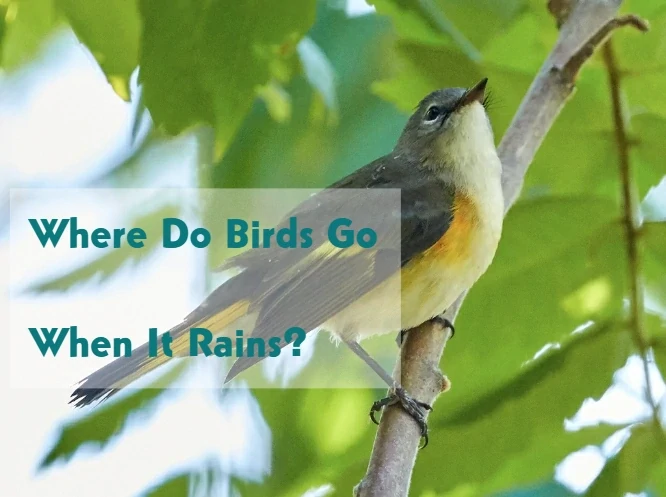
You’re watching rain pour down outside, and suddenly you realize you haven’t seen any birds. The feeders are empty, the trees are quiet, and the sky is completely bird-free.
Before the storm, birds were everywhere. Now they’ve all disappeared like they knew the rain was coming. It makes you wonder what they do during bad weather.
Where do birds go when it rains?
Birds seek shelter in thick bushes, trees with dense foliage, under building eaves, in nest boxes, or any protected spot that blocks wind and rain. They hunker down and wait out the storm, often staying in the same spot for hours until conditions improve.
Birds don’t have umbrellas or raincoats, but they’re actually pretty good at dealing with rain. They have strategies for staying dry and safe that have worked for millions of years.
Birds Can Sense When Rain Is Coming
One of the coolest things about birds is that they often know a storm is coming before you do. They can sense changes in air pressure, humidity, and wind patterns.
Before a storm hits, you might notice birds feeding more frantically than usual. They’re trying to fill up on food while they still can because they know they won’t be able to hunt during the rain.
Birds also get quieter before storms. The normal chirping and singing drops off as birds head to their shelters. This is why everything seems so quiet right before rain starts.
Some birds actually fly away from approaching storms. If a big storm system is moving through, birds might travel to areas where the weather is better.
But for regular rain showers, they usually just find a good spot to wait it out.
Where Small Birds Hide When It Rains
Small birds like sparrows, finches, chickadees, and wrens need to find shelter quickly when rain starts.
They’re so small that getting soaked can be dangerous.
- Dense bushes and shrubs are favorite hiding spots. Birds will hop into the thickest part of a bush where the leaves create a roof. Evergreen bushes like holly, juniper, and yew are especially good because their leaves stay on all year.
- Tree branches with thick foliage provide good cover. Birds will sit close to the trunk where branches overlap and create a canopy. Evergreen trees like pines, spruces, and cedars are perfect because their needles are so dense.
- Under building eaves is another common spot. The overhang keeps rain off, and birds can huddle against the building for extra protection. You might see birds lined up under your roof edge during a storm.
- In birdhouses and nest boxes if they’re available. Even outside of nesting season, birds will duck into boxes to escape rain. They might crowd together, with several birds sharing one box.
- In thick vines like ivy or honeysuckle. The layers of leaves create natural umbrellas, and birds can hide deep inside where it’s dry.
Where Large Birds Go When It Rains
Bigger birds like crows, jays, hawks, and vultures have different options because they can handle getting a bit wet.
They’re not as vulnerable to cold as tiny birds are.
- High up in trees is common. Large birds will perch on thick branches close to the trunk. They turn their backs to the wind and rain and just sit there puffed up.
- In tree cavities if they can find them. Old woodpecker holes or natural hollows in trees make excellent shelters for bigger birds.
- On the sides of buildings in protected corners. Hawks sometimes perch on building ledges where the structure blocks most of the rain and wind.
- Under bridges and overpasses. Crows and vultures especially like these spots. You can sometimes see them lined up under highway overpasses during storms.
How Birds Keep Dry During Rain
Birds have some built-in tools for dealing with rain. Their feathers aren’t just for flying. They’re also waterproof.
Birds have an oil gland near their tail called the preen gland. They spread this oil on their feathers when they clean themselves. The oil makes water bead up and roll off instead of soaking in.
When you watch a duck swimming in rain, you’ll notice the water just slides right off its back. That’s the preen oil working. Most birds have this same waterproofing, though it’s more developed in water birds.
Birds also have down feathers underneath their outer feathers. These fluffy feathers trap warm air next to their body. Even if the outer feathers get a bit wet, the down keeps them warm.
During rain, birds puff up their feathers. This creates more air pockets and better insulation. A puffed-up bird looks fatter, but it’s actually just trying to stay warm.
What Birds Do While Waiting For The Rain to Stop
Birds don’t just stand there bored while waiting for rain to stop. They’re actually pretty busy.
They preen their feathers to maintain the waterproofing.
This is a good time to clean and organize feathers since they’re not out looking for food.
They rest and sleep.
Birds need a lot of rest, and rainy days are perfect for catching up on sleep without worrying about predators as much.
They conserve energy.
Flying and hunting in rain takes way more effort than on dry days. By sitting still, birds save their energy for when conditions improve.
They might huddle together for warmth if it’s cold.
Small birds especially will crowd together in groups to share body heat.
Light Rain vs. Heavy Rain
Birds react differently depending on how hard it’s raining. They’re tougher than you might think.
In light drizzle, many birds will keep going about their normal activities. You’ll see them hopping around on the ground looking for worms or visiting feeders. Their feathers can handle light rain just fine.
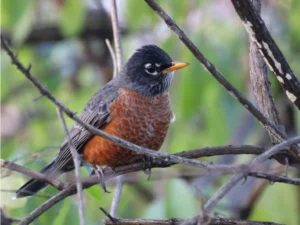
Robins actually love light rain because worms come to the surface. You’ll often see robins out in the grass during and right after rain showers.
In moderate rain, most small birds will take shelter but might make quick trips out for food. They’ll dash from cover to the feeder and back again.
In heavy rain or thunderstorms, almost all birds take cover. It’s just too hard to fly safely in heavy rain. The water weighs down their feathers, and visibility is poor.
What The Dangers of Getting Soaked?
For small birds, getting completely soaked can actually be dangerous. Here’s why they work so hard to stay dry.
Wet feathers don’t insulate well.
If a bird’s down feathers get wet, it loses the warm air trapped against its body. The bird can get dangerously cold, even in weather that doesn’t seem that cold to us.
Wet feathers are heavy.
A soaked bird has a hard time flying. It’s slower and more vulnerable to predators. Plus, flying takes more energy when you’re carrying extra water weight.
Baby birds are especially vulnerable.
They don’t have fully developed feathers yet, so they can’t stay warm when wet. This is why parent birds will sit on the nest during rain to keep babies dry.
Hypothermia is a real risk.
Small birds have fast metabolisms and can lose heat quickly. A cold, wet bird can die from hypothermia in just a few hours.
Some Birds Don’t Mind Rain
Not all birds hate rain. Some species actually do better in wet weather.
- Ducks, geese, and swans are built for water. They have extra-thick preen oil and dense feathers. Rain doesn’t bother them at all. In fact, they’re often more active in rain than in dry weather.
- Herons and egrets continue fishing in rain. Standing in shallow water and getting rained on is just part of their normal day.
- Gulls and terns keep flying and feeding during rain. As long as the wind isn’t too strong, they can handle wet conditions.
- Robins and thrushes actually seem to like rain because it brings earthworms to the surface. You’ll see them hunting on wet lawns.
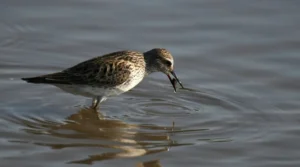
- Killdeer and other shorebirds continue their normal activities in rain. They’re used to wet, muddy conditions anyway.
What Do Birds Do After the Rain Stops?
When rain ends, birds come out pretty quickly. You’ll notice a sudden burst of activity as birds emerge from their hiding spots.
They need to eat.
Birds that sat through a long storm without eating are hungry. Feeders get mobbed right after rain stops.
They need to dry off.
Even if they stayed mostly dry, birds still need to shake off any moisture and preen their feathers back into shape.
They start singing again.
The quiet that fell over everything during the storm is replaced by lots of bird songs. It’s like they’re celebrating the return of good weather.
Worms and insects are easier to find after rain, so birds take advantage.
Earthworms come to the surface to avoid drowning in waterlogged soil.
Where Birds Nest in Rain
If you’re wondering about birds that are actively nesting, they have special challenges during rain.
Parent birds will sit on eggs or baby birds to keep them dry and warm. The adult’s body acts like an umbrella and a heater.
Nests in protected locations (under eaves, in thick bushes, in tree cavities) handle rain better than exposed nests. This is one reason why birds are so picky about where they build.
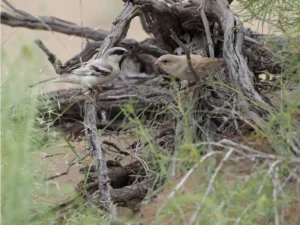
Some birds build roofs over their nests. Wrens and some other species weave domed nests with openings on the side so rain can’t get in.
If a nest gets soaked, the parents work hard to keep babies warm. But if it’s a really bad storm, eggs or baby birds can die from cold. This is one of the sad realities of nature.
What Do Birds Do During Extreme Weather?
In really severe weather like hurricanes or tornados, birds face serious danger. They can’t just hide and wait these storms out.
Before hurricanes, many birds try to fly inland away from the coast. Birds can actually get caught up in the eye of a hurricane and travel with it for hundreds of miles.
Tornados can kill birds or destroy their nests. Some birds survive by flying ahead of the storm, while others take cover and hope for the best.
Ice storms are terrible for birds. Ice coating on trees makes it impossible to grip branches. Birds slip and fall, and many freeze to death.
Long periods of rain without breaks can starve birds. If rain lasts for days and days, birds run out of energy reserves. They can’t hunt, and they burn through their fat trying to stay warm.
How To Help Birds During Rain
If you want to help birds deal with rain, there are things you can do.
Keep your feeders stocked and protected.
A covered feeder stays dry and provides food when birds need it most. They’ll really appreciate having easy food available during storms.
Provide shelter in your yard.
Plant dense shrubs, evergreen trees, and thick bushes. These give birds places to hide when rain comes.
Leave dead trees standing if they’re not dangerous.
Tree cavities in dead wood are perfect rain shelters for many bird species.
Put up roosting boxes.
These are like birdhouses but designed for birds to sleep in or hide from weather. They often have perches inside where multiple birds can crowd together.
Don’t disturb nesting birds during storms.
If you know birds are nesting in your yard, leave them alone during bad weather. The parents are already stressed trying to keep babies safe.
Birds and Seasonal Rain
In areas with rainy seasons, birds have adapted their schedules around the rain patterns.
In tropical areas with monsoon seasons, birds often nest during the dry season. This way, babies grow up in good weather with plenty of food available.
In temperate areas, spring rain is actually good for birds. It brings insects and worms, which parent birds need to feed babies. Birds time their nesting to coincide with these food-rich conditions.
Fall migration happens partly to avoid areas with cold, rainy winters. Birds fly south where weather is more predictable and food is more available.
Some birds can’t deal with constant rain and will move to drier areas temporarily. They return when conditions improve.
The Recovery Period After a Big Storm
After a big storm, it takes a while for things to get back to normal. Birds need recovery time just like we do.
They need to eat a lot to replace energy they burned staying warm. You’ll see increased activity at feeders for days after a storm.
They need to repair or rebuild nests if they were damaged. This can set back nesting schedules by weeks.
Some birds might abandon nests that got too wet or damaged. They’ll start over in a new location.
The bird population might look different after severe weather. Some birds that couldn’t find shelter might have died. But within a few weeks, the survivors adjust and life goes on.
Conclusion
When rain comes, birds don’t just disappear. They’re hiding in thick bushes, under eaves, in tree branches, in nest boxes, and anywhere else that offers protection from wind and water.
Birds are good at sensing when storms are coming, so they prepare by eating and finding shelter. Once the rain starts, they hunker down and wait it out.
Their waterproof feathers and ability to puff up for insulation help them stay warm and dry. But they still need good shelter to avoid getting completely soaked, especially small birds that can die from hypothermia.
After rain stops, birds come out hungry and ready to dry off. They take advantage of all the worms and insects that are easier to find on wet ground.
If you want to help birds during rainy weather, provide good shelter in your yard with dense plantings and protected feeders. They’ll appreciate having safe spots to wait out the storm.

Hi, my name is Ezra Mushala, i have been interested animals all my life. I am the main author and editor here at snakeinformer.com.